

Busy days in Davie can involve a commute, hours at a desk, school pickup, errands, workouts, and household tasks, often with little time left to think about neck or back comfort. A practical routine does not require perfect posture or an expensive home setup. It starts with small adjustments that make everyday movement feel more manageable.
For people looking for individualized support when discomfort continues, a chiropractor Davie residents can consult may be one part of a broader care plan. Daily habits still matter, because the positions and tasks repeated from morning through evening can affect how the neck, shoulders, hips, and back feel.
Why Daily Habits Matter
Discomfort does not always begin with one memorable event. It can develop alongside repeated habits, such as leaning toward a laptop, carrying a heavy bag on one shoulder, sitting through a long drive, or bending over laundry baskets. The goal is not to hold the body stiffly in one approved position. It is to use a variety of comfortable positions and avoid staying in any one of them for too long.
Working from a sofa or kitchen chair may be convenient, but a few basic adjustments can make a difference. Guidance on chair height, screen position, foot support, and regular breaks can help people create a more comfortable workspace with the equipment they already own.
Build a Gentle Morning Routine
Mornings can feel rushed, especially before work or school. Instead of forcing a deep stretch while the body feels stiff, use five to ten minutes of easy, controlled movement. The purpose is to warm up, check in with how you feel, and begin the day with a little more motion.
A simple five-minute start
- Take several slow breaths while sitting or standing comfortably.
- Roll the shoulders forward and backward without straining.
- Walk around the room for two or three minutes.
- Practice a few gentle hip hinges while keeping the movement small.
- Stop if movement causes sharp, spreading, or unusual pain.
There is no need to copy a difficult stretch from social media. A routine is useful only when it feels safe enough to repeat.
Set Up a Comfortable Workstation
Whether you work from home, attend classes, or manage paperwork, start by bringing frequently used items closer. Place the screen near eye level when possible, keep the keyboard and mouse within easy reach, and let your feet rest on the floor or a stable footrest. Choose chair support that feels comfortable across the lower back rather than trying to force a rigid posture.
If a laptop is your only option, raise the screen with sturdy books or a stand when practical, then use a separate keyboard and mouse if available. Even a well-arranged desk is not a reason to stay seated for hours. Change positions when your body asks for it.
Use Short Movement Breaks
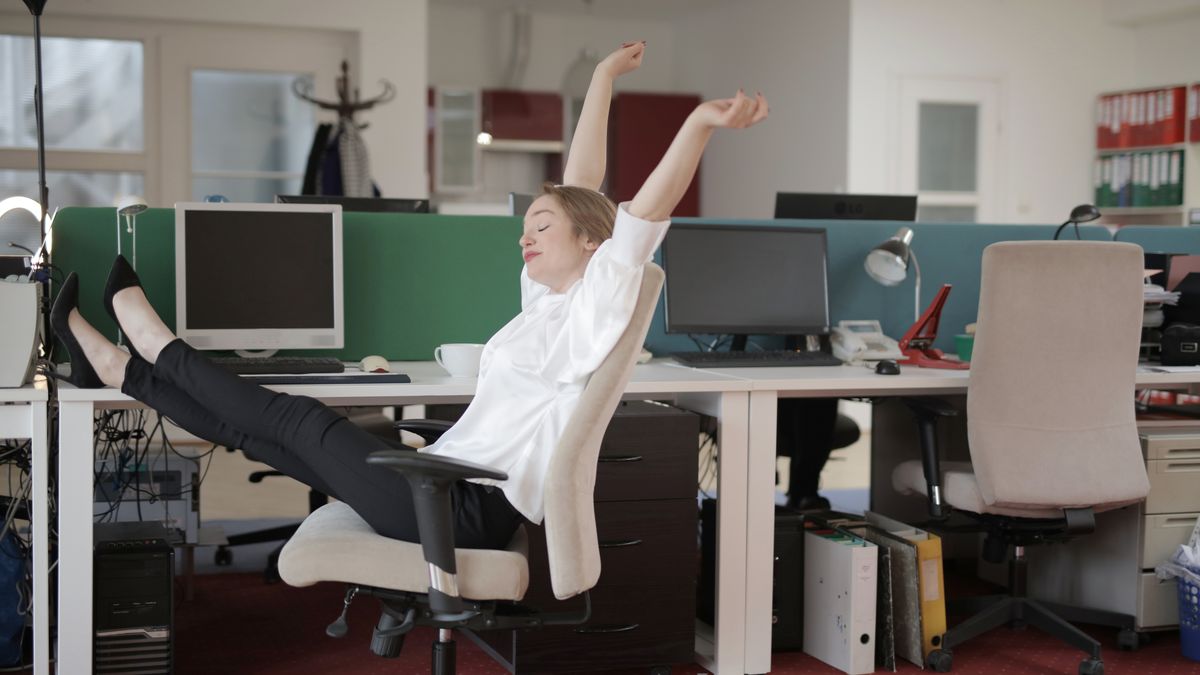
Brief movement breaks are often easier to maintain than a long session at the end of the day. In Davie’s warm climate, an indoor lap around the home or office can be a comfortable option during the hottest or rainiest parts of the day. The key is consistency, not intensity.
- Stand during a phone call.
- Walk while waiting for coffee, water, or a document to print.
- Relax the shoulders and gently turn the head from side to side.
- Move from sitting to standing between tasks.
- Take a short walk after a long meeting or study block.
A timer, calendar reminder, or regular task transition can serve as a prompt. One exact break schedule does not work for everyone, so choose a pattern that fits your workday.
Reduce Strain While Driving
Driving can add another long period of sitting to the day. Adjust the seat so you can reach the pedals without stretching, support your back in a comfortable position, and arrange mirrors to reduce repeated neck twisting. During longer trips, take safe opportunities to stop, stand, and walk briefly.
Consider the person who drives for an hour, works at a desk, then relaxes on the sofa. The answer is rarely one dramatic stretch. More often, it is adding variety before, between, and after those repeated positions.
Lift, Carry, and Do Chores With Care
Groceries, gardening supplies, laundry, pet care, and storm-season cleanup can all involve awkward loads. Before lifting, pause and plan the path. Keep the item close to your body, use your legs and hips to help with the movement, and avoid twisting while carrying a heavy or bulky object.
- Split large loads into shorter trips.
- Clear obstacles before carrying something awkward.
- Use carts, dollies, or help from another person when available.
- Ask for assistance when an item feels too heavy to control safely.
Balance Exercise With Recovery
Walking, strength training, mobility work, and balance exercises can all fit into a spine-friendly routine. Start at a manageable level and increase time, resistance, or intensity gradually. Sudden changes in training can leave the body feeling more sore than expected, even when the activity itself is worthwhile.
Recovery matters too. Build in rest, aim for comfortable sleep conditions, and pay attention to how your body responds after new activities. Exercise is one part of care, not a universal cure for every type of pain.
Know When to Seek Medical Advice
Everyday routine changes are not a replacement for medical evaluation. Seek prompt medical attention for pain after a significant fall or crash, new weakness or numbness, loss of bladder or bowel control, fever with severe back or neck pain, unexplained weight loss, or pain that keeps worsening. Guidance on when back pain may need medical attention can also help people recognize when self-care is not enough.
Try a Simple Seven-Day Plan
- Day One: Notice when stiffness or discomfort appears.
- Day Two: Add two short walks or position changes.
- Day Three: Adjust your screen, chair, and foot position.
- Day Four: Try five minutes of gentle morning movement.
- Day Five: Use safer lifting during one household task.
- Day Six: Add a short, comfortable strength or mobility session.
- Day Seven: Keep the habits that felt realistic and useful.
Final Thoughts
A spine-friendly day in Davie does not need to be perfect. Regular movement, sensible task setup, gradual exercise, and attention to warning signs can support comfort through work, commuting, family responsibilities, and recreation. Keep the changes simple enough to use during a genuinely busy week, and seek personalized care when pain is persistent, severe, or unusual.
- A Practical Spine-Friendly Daily Routine for Busy Days in Davie, Florida
- Braces in Orland Park, Illinois: Planning Orthodontic Treatment Around Local Life
- Dominic D’Agostino: Examining the Overlooked Metabolic Link Behind Bipolar Disorder
- A Practical Guide To The Leading Cosmetic Dentists In Lexington, Kentucky
- Daily Habits That Help Dental Implants Last Longer in Naples, Florida