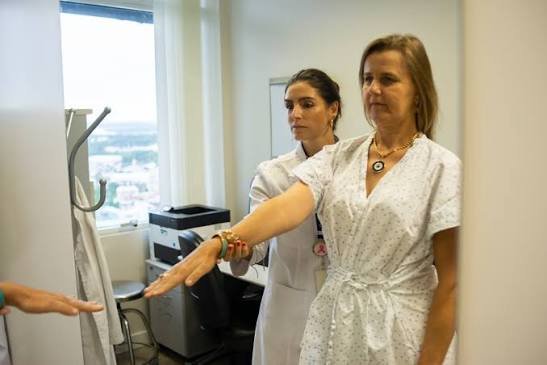
A gynecologist is a medical doctor who specializes in the female reproductive system, providing care for women and people assigned female at birth. Gynecology services are beneficial at various stages of life, from the onset of puberty through menopause. Gynecologists offer guidance, preventive care, and management for a variety of conditions. Understanding the most frequent procedures performed in a clinic can help you feel prepared for your visits. Here’s information on common gynecology services you can get:
Wellness Exams
Regular wellness exams offer a key opportunity to monitor your reproductive health, and they allow your doctor to identify potential issues early. These annual gynecology visits include a general physical examination, a discussion of your medical history, and screenings tailored to your age. Regular exams are beneficial because they establish a clear baseline for your health. This baseline makes it easier for healthcare providers to detect any changes or irregularities over time. During the appointment, your provider will also:
- Check Your Blood Pressure
- Measure Your Weight
Discuss Your Menstrual Cycle or Menopausal Symptoms
Two valuable components of a wellness exam are the breast and pelvic exams. During a breast exam, the doctor physically checks the breast tissue and underarm areas for lumps, skin changes, or other abnormalities. A pelvic exam involves a visual and physical assessment of the vulva, vagina, cervix, uterus, and ovaries. The doctor will gently press on your lower abdomen to check the size and position of your pelvic organs.
Pap Smears
A Pap smear is a brief screening procedure used to look for abnormal or precancerous cells on the cervix. During this process, the doctor uses a small brush to gently collect a sample of cells from the cervical area. The collected cells are then sent to a medical laboratory for microscopic analysis. Many people find this procedure slightly uncomfortable, but it usually takes only a few minutes to complete. Current medical guidelines generally recommend starting Pap smears at age 21, though your testing frequency depends on your age and previous results. Sometimes, this procedure is combined with a test for the human papillomavirus (HPV).
UTI and STI Screening
Gynecologists frequently screen for urinary tract infections (UTIs) and sexually transmitted infections (STIs) at annual exams or other gynecology appointments. A UTI screening typically requires a simple urine sample, which is tested for the presence of bacteria and white blood cells in a lab. This helps determine the exact cause of symptoms like burning or frequent urination. STI screenings can involve blood tests, urine tests, or swabs taken directly from the vaginal or cervical area.
Your provider will review your medical records and tell you how often you need specific screenings based on your personal health history. Routine screening is a standard part of reproductive healthcare, and it helps infections receive prompt attention. Doctors routinely test for common infections such as chlamydia, gonorrhea, and syphilis. Because many STIs do not present obvious symptoms initially, thorough testing provides an accurate picture of your current health status.
Learn About More Gynecology Services
While wellness exams, Pap smears, and infection screenings are the foundation of gynecological care, these specialists offer many valuable services. Gynecologists also provide contraceptive counseling and initial evaluations for fertility concerns. They address specific issues like irregular menstrual bleeding, chronic pelvic pain, and conditions such as endometriosis or fibroids. If you have questions about specific procedures or want to understand which screenings are appropriate for you, visit a gynecologist for a consultation. Contact a local provider to learn more about gynecological services that support your ongoing health.