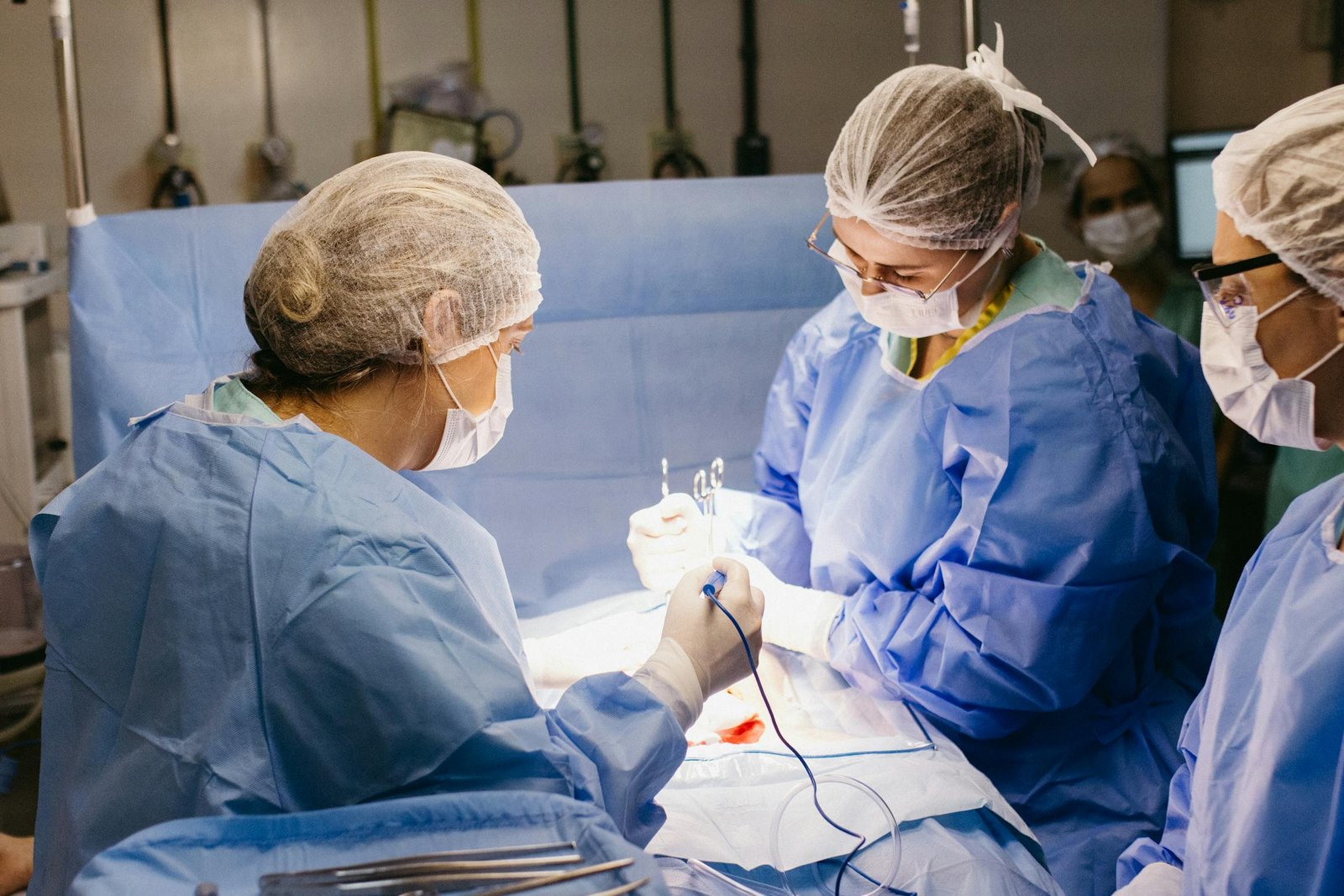


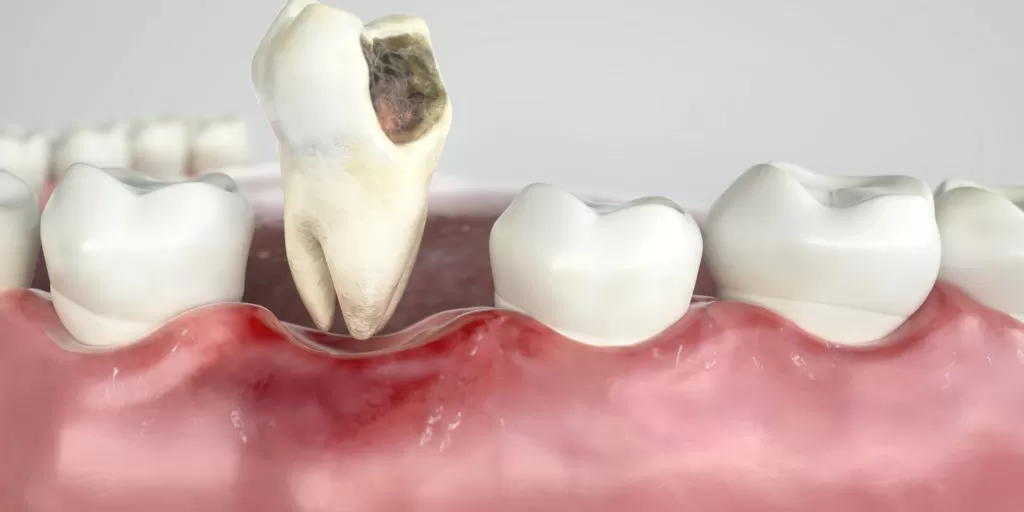
Tooth extractions are a common dental procedure performed to address severe decay or infection, and to preserve overall oral health. While the procedure itself is typically straightforward, understanding what follows is necessary for a smooth and successful recovery. Patients who are well-informed about post-procedure expectations are better equipped to manage discomfort, minimize complications, and support proper healing.
Managing the First 24 Hours
The first 24 hours after your tooth extractions are key to healing. A blood clot usually forms, so you must protect it carefully. Your dentist will place a gauze pad on the site; bite down firmly to stop the bleeding, and change the gauze as directed. Swelling and mild discomfort are normal during this time. To manage swelling, you can apply a cloth-wrapped ice pack to your cheek.
During this initial period, your diet requires careful thought, and you should stick to liquids or soft foods. Yogurt, applesauce, and lukewarm broth are good options because they don’t require chewing. You must avoid using a straw because the suction can dislodge the blood clot. This may cause a painful condition known as dry socket.
Tracking The Healing Timeline
After the first day, your recovery enters a new phase. On days two and three, swelling may peak before it starts to go down. The extraction site will feel less tender, and the sharp pain should fade to a dull ache. You can add semi-soft foods to your diet, but you should continue chewing on the opposite side.
Long-term healing takes more time, and the jawbone regenerates over several weeks or months. Even when the surface gums look healed, the bone underneath is still repairing itself. If you had a molar removed, this deeper healing might take longer because the tooth was larger.
Recognizing Symptoms and Warnings
After your procedure, you might have mild bleeding, swelling, and a sore jaw. These are normal signs of healing, so they shouldn’t cause alarm. You may also notice slight bruising on your cheek, which will fade within a week. These are standard reactions, but watch for warning signs. Severe pain that doesn’t respond to medication might indicate an infection or a dry socket.
Certain symptoms require professional attention; call your dentist right away if you experience them. Excessive bleeding that lasts more than a day is one. A persistent fever or a bad taste in your mouth also signals a problem. If swelling worsens after three days, your healing may have stalled. So, don’t ignore these issues.
Improving Recovery Through Aftercare
Following clear aftercare guidelines is your best chance for a smooth recovery. Keeping your mouth clean is a key priority, so rinse gently with warm salt water several times a day. You should start this practice 24 hours after surgery because it helps keep bacteria at bay and soothes healing gum tissue. Your lifestyle habits also influence your body’s healing process. Smoking introduces harmful chemicals that delay healing, so you should pause tobacco use for a few days. Staying hydrated is also necessary. Drinking plenty of water supports your overall health and recovery.
We recommend preparing your home for recovery before your appointment. Stock your pantry with soft foods, and make ice packs ready in the freezer. Setting up a comfortable resting spot with extra pillows makes the first day much easier. When you plan, you reduce your stress, allowing you to focus fully on resting and healing.
Book Your Tooth Extractions Appointment
Knowing what to expect after a tooth extraction empowers you to handle the recovery with confidence. Recognizing normal symptoms versus warning signs keeps you safe, and it helps you make informed decisions about your health. If you experience any complications during your recovery from a dental extraction, you should reach out to board-certified periodontists and dental implant surgeons. Book a tooth extraction appointment at a dental clinic near you for professional guidance to improve your oral health.