


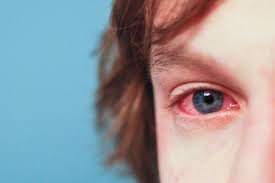
Seasonal changes affect the ocular surface, and some patients experience dry eye symptoms during these specific periods. The condition causes noticeable discomfort, affecting daily quality of life. Recognizing the early signs of this condition helps in seeking timely treatment. Here is more information on seasonal dry eyes and the available medical management options:
What Are Seasonal Dry Eyes?
Seasonal dry eyes occur when tear production decreases or the tears evaporate too quickly during specific times of the year. The tear film fails to adequately lubricate the eye’s surface, leading to physical irritation. Patients may report increased symptoms during spring or winter, and symptoms fluctuate with the weather.
This condition represents a specific subtype of dry eye syndrome, with environmental factors influencing its onset. The ocular surface requires a stable tear film for protection, but seasonal shifts disrupt this delicate physiological balance. Optometrists diagnose this specific pattern based on patient history. They may also monitor the tear film quality over time.
What Causes Them?
Environmental changes are primary triggers, and allergens play a significant role during spring and fall. High pollen counts cause local allergic reactions, which contribute to severe inflammation of the eye surface. The body produces histamine in response to these allergens. The resulting inflammation reduces natural tear production.
Cold weather presents a different set of challenges, and indoor heating systems exacerbate the problem during the winter months. Heaters reduce air humidity, accelerating tear evaporation. Outdoor wind exposure further dries the ocular surface.
What Are the Symptoms?
Patients present with a variety of symptoms, from mild irritation to severe visual disruption. A stinging or burning sensation frequently occurs, and redness affects the eye. Individuals may experience light sensitivity or report a persistent gritty feeling in the eye.
Blurred vision also occurs in some cases. This may worsen after prolonged visual tasks. Reflex tearing happens as the eye attempts to lubricate itself, but these emergency tears lack the necessary oils to coat the eye properly. Optometrists document these symptoms during an exam to determine the condition’s progression.
Contact lens wearers may notice these symptoms first, with their lenses becoming uncomfortable faster than usual. The lenses dry out quickly in these seasonal conditions, so patients may need to remove them early in the day. Optometrists observe physical changes on the eye surface during exams. This facilitates accurate identification of the condition.
What Are the Management Options?
Optometrists offer several clinical interventions, and the choice depends on the severity of the symptoms. Over-the-counter artificial tears provide temporary relief, but prescription options offer more targeted and sustained results. The primary clinical treatments include specific medications, Prokera devices, and punctal plugs.
Prokera is a biological corneal bandage device that uses amniotic membrane tissue to promote healing of the ocular surface. This device rapidly reduces inflammation, and it promotes the regeneration of healthy corneal cells. Punctal plugs are small medical devices inserted into the tear ducts. These plugs block tear drainage to retain moisture on the eye.
How Is Professional Care Beneficial?
A professional evaluation identifies the specific type of dry eye, and it rules out other underlying ocular diseases. Optometrists use specialized equipment to measure tear production and assess the overall quality of the tear film. This clinical data informs the treatment strategy, enabling patients to receive care tailored to their unique physiological needs. Consistent clinical supervision protects long-term vision.
Consult an Optometrist Today
Seasonal dry eyes cause discomfort, but clinical treatments effectively manage the condition. Patients benefit from a range of interventions, such as medication and Prokera. Early intervention may stop the progression of symptoms. Schedule a comprehensive eye examination today.
- Choosing Adult Autism Residential Support: A Practical Guide to Daily Life, Safety, and Independence
- Clinical Trial Phases: What Each Stage Means for Participants and Patients
- Clinical Trials: Important Facts Before Patient Participation
- How Breast Cancer Clinical Trials Move Research From Ideas To Patient Care
- Enhancing Mental Wellness Through Therapy: A Comprehensive Guide