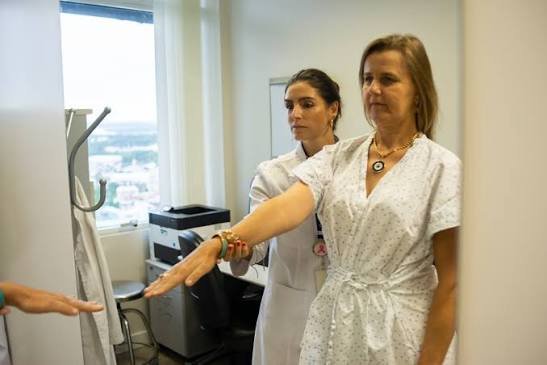



Primary care practitioners provide routine medical tests, and this includes specific health evaluations and requirements. Primary care physicians manage your daily wellness needs and coordinate effective treatments for chronic medical conditions. When you visit a local family doctor regularly, you build a highly consistent and reliable baseline physical health profile. This is what drivers should know before they attend a DOT physical exam:
Gather All Medication Documents
Some pills cause severe daytime drowsiness, so the medical doctor checks for potential safety risks during physical exams. Because examiners review your daily drug intake closely, you need exact medication names for the health clearance paperwork. Commercial drivers are required to bring every active prescription bottle directly to the designated local testing medical clinic facility.
Unless you provide the precise dosage information, the certified medical examiner might delay your final medical clearance status. A thorough pharmacy printout speeds up the strict review process at the busy medical doctor’s clinic office. Your health provider expects complete accuracy, and they verify all the printed instructions carefully during official physical office visits.
Here’s what you need to bring for your medications:
- Prescription medications: This includes a complete list of all prescribed daily pills. A printout from your pharmacy is ideal.
- Over-the-counter items: This includes a clear, written list of any daily vitamins or dietary supplements you take.
Secure Other Medical Records
A primary care clinic may request outside specialty records, and you need to supply them without any delay. Because serious heart conditions could affect commercial driving ability, a licensed cardiologist must formally approve your current physical health status. Commercial operators with recent major surgeries need official release letters from their original treating medical physicians and local surgeons.
When you use a nightly CPAP machine, bring recent usage logs and documentation from your sleep specialist. Simple records, such as device readouts or compliance reports, help demonstrate responsible equipment use. The examiner will check these documents to confirm that your sleep disorder is managed, and they may also request paperwork for insulin pumps or other medical devices.
Drink Water Beforehand
The physical requires a standard urine sample. Medical staff check hydration levels, and they screen for underlying kidney issues. Since dehydration may affect your urine test results unexpectedly, you need steady water intake beforehand.
Avoid Salt and Caffeine
High sodium levels may elevate resting blood pressure. If any commercial drivers eat salty fast food on the road, they could face increased testing risks. Because examiners test blood pressure in a tightly regulated environment, you must monitor your diet before the exam.
If you consume heavy caffeine, your heart rate may rise rapidly. Coffee and energy drinks could potentially affect medical readings. Truck stops sell large caffeinated beverages, but drivers should skip them on test day.
You need accurate baseline readings, and dietary stimulants hide your true physical condition. While mild coffee habits seem harmless, they could potentially push blood pressure over acceptable limits. Drink plain tea or an alternative instead of strong espresso.
Get a Primary Care Physical
Before you schedule the official DOT test, a regular doctor checks your baseline health, and routine checkups prepare you for rigorous commercial standards. A failed exam stops your driving career, but preventive care keeps you working steadily. Schedule your routine primary care visit today. When you manage health proactively, you can pass necessary commercial medical screenings.