

Leg pain is a major concern for adults, and its effects extend beyond discomfort. When your blood does not flow easily, your lower body quickly starts to be impacted. Dull aches may linger throughout your day, and these sensations could signal an underlying problem related to your blood vessels. Here are some symptoms that may indicate circulation-related leg pain:
Skin Discoloration
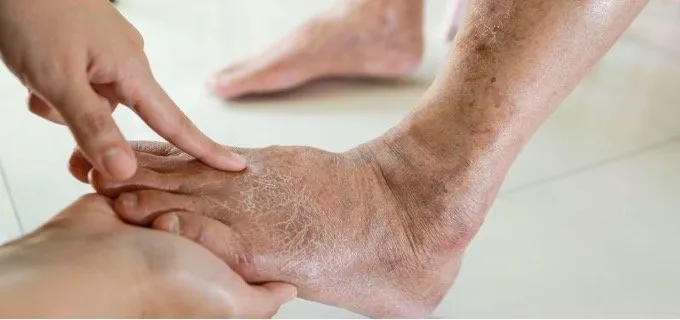
Skin color changes may show up early, so pay attention if your legs begin to look different. When blood isn’t moving well through your veins or arteries, it might pool in your lower limbs. This pooling may turn your skin red, blue, or pale in areas with poor circulation. If you see unusual colors on your feet or calves, it’s worth noting, as changes might start mild but become more visible over time.
Watch for these specific visual signs:
- Dark patches on your calves
- Red areas around your ankles
- Blue tints on your toes
- Pale skin on your feet
You may not see all of these skin changes at the same time, but even one or two is enough reason to stay alert. With early identification, you may report symptoms to your healthcare provider more effectively and track changes in your health.
Claudication Symptoms
Painful cramping and aches that begin while you walk and then ease when you stop are signs of claudication; this pattern disrupts daily routines. Claudication occurs because the arteries supplying blood to your muscles are narrowed, and your legs don’t receive enough oxygen during activity. The result may be a tight, sore feeling, especially in your calves.
You might find walking up stairs or across long hallways unusually challenging. Your muscles, working harder than usual, require more oxygen than they receive, and the lack of blood flow means leg pain comes on suddenly. The discomfort can force you to take frequent breaks. Once you rest, you notice the pain fades almost immediately, returning if you try to walk again.
Pins and Needles
A tingling or “pins and needles” sensation in your legs may be due to poor circulation affecting your nerves. Nerves misfire, and this creates sharp pricking sensations or numbness that may come and go. The feeling might concentrate in your feet. In some cases, you could notice difficulty keeping your balance.
Rest Pain
At night, leg pain sometimes grows worse, especially when your legs are level with your heart. If blood isn’t moving well, gravity also adds to this strain. That leads to constant throbbing or a heavy feeling that might wake you up or make it difficult to fall asleep. Pain at rest doesn’t fade quickly.
Dangling your feet off the edge of the bed may lessen the pressure. By lowering your legs, gravity pulls blood downward. Relief is usually only brief, and you may find yourself repeating this act throughout the night. Persistent pain while at rest suggests advanced problems with your circulation.
If you regularly experience nighttime leg pain, keep a log of when symptoms start and how long they last. Recognizing this cycle allows you to track how often pain interferes with your routine and share details during doctor visits. Bringing this information to your healthcare provider will support a more complete evaluation.
Get Treated for Leg Pain
Vascular conditions can progress, making early medical attention a wise choice. Your doctor listens to your experiences, assesses the specifics of your symptoms, and works with you on a treatment plan that fits your needs. Schedule an appointment today with a surgeon for a complete review and to discuss the plan for improving your leg health.