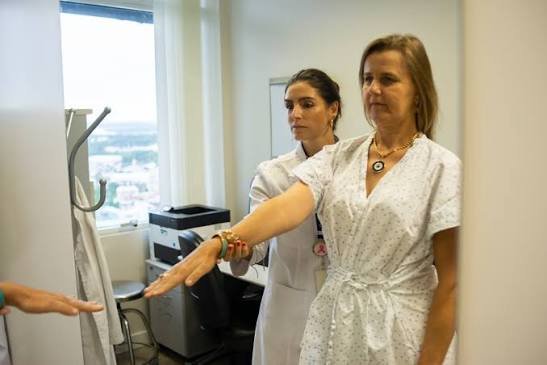
Physical activity keeps your body healthy, but it can sometimes lead to an unexpected sports injury. You might experience sudden pain, or you will notice a dull ache after your workout. Recognizing these warning signs prevents further complications. Professional care helps you because a proper diagnosis affects your overall recovery.
Symptoms of Physical Damage
Recognizing your body’s signals is necessary for your long-term health. Your body uses pain to communicate problems that need prompt attention. Different symptoms indicate a range of a potential sports injury. Minor tenderness might seem insignificant initially. Lingering weakness reveals an underlying problem with muscles, ligaments, or joints. You might feel sudden, severe pain around a joint, and this makes it uncomfortable or impossible to move normally.
Weakness is another clear warning sign. Persistent fatigue, shakiness when using the limb, or dropping objects also signal damage. Difficulty walking or bearing weight on an injured foot, ankle, or leg requires immediate medical attention, especially if the pain prevents normal movement. Sometimes you experience pain that increases with activity, or you find that certain movements cause discomfort even at rest. Stiffness can limit mobility and simple activities, and redness or warmth over a joint signals an inflammatory response. If your pain persists during rest, stop your workout.
Categories of Athletic Injuries
Athletes face many distinct physical challenges during their regular training routines. Professional athletes face these risks, and sports expose you to unexpected injuries. Poor technique can lead to these common injuries, but even proper form does not always prevent accidents. Ankle sprains and muscle injuries are common. Running, jumping, and quick turns place stress on soft tissues. Overuse or improper warm-ups may cause pain. Runners may develop shin splints, which cause discomfort along the front of the lower leg. They also sustain Achilles tendon injuries from repetitive motion or sudden acceleration. Both sprains and strains vary in severity, and they range from mild microtears to ruptures. Sudden traumatic impacts result in painful bone fractures or joint dislocations. These injuries happen during contact sports, falls, or collisions. Practicing proper form and monitoring shoulder stability helps reduce the risk of long-term problems.
Methods of Treatment
Proper diagnosis starts with an X-ray or MRI, which helps doctors assess the injury to bones, joints, or soft tissues. Your healthcare provider may recommend testing to identify the cause, so they treat the correct injury. Doctors use immobilization devices, such as casts or splints, to stabilize the damaged area and prevent further injury. Immobilization supports healing in fractures, dislocations, or severe sprains. The duration depends on injury severity and type. A physical therapist creates a tailored rehabilitation plan for you, and they focus on gentle stretching and strengthening exercises. Early physical therapy helps limit muscle atrophy, reduce pain, and improve balance. Custom orthotics provide necessary foot support. In some cases, advanced medical treatments are recommended if traditional approaches do not resolve symptoms. These treatments include platelet-rich plasma (PRP) therapy, so your provider can use your body’s natural healing factors.
Treat Your Sports Injury Today
Ignoring your persistent pain can worsen your current physical condition. A sports medicine specialist can thoroughly evaluate your pain. They can also assess your elbow, knee, or ankle pain. Whether you need conservative physical therapy or a primary knee replacement, professional guidance aids proper healing. Listen to your body carefully, and contact an orthopedic specialist. Do not let sports injuries control your daily life. Take action today.