

Glaucoma is a long-term eye condition that can gradually affect vision if it is not properly monitored and managed. While medical treatment remains central to care, certain lifestyle habits may also play a supportive role in protecting eye health and managing glaucoma progression. Here’s a closer look at lifestyle changes to help manage glaucoma progression:
Strengthen Daily Healthy Habits
Every day routines influence glaucoma and overall physical health. Doctors evaluate dietary patterns, and they assess daily fluid intake. When individuals structure their meals, they give their bodies helpful nutrients. If a patient drinks water in small amounts throughout the day, fluid levels stay balanced, and the eyes can avoid sudden pressure spikes.
Nutrition directly affects the optic nerve. While vitamins do not cure the condition, they support internal cellular structures. When individuals sleep on a wedge pillow, eye pressure remains lower at night, so they wake up with better fluid balance. Caffeine consumption requires careful monitoring. Coffee raises eye pressure, and tea causes similar effects. If a person drinks heavy amounts of espresso, the internal eye pressure rises rapidly, and the optic nerve faces unnecessary stress.
Manage Physical Activity and Stress
Exercise improves general blood flow. Routine movement is helpful, but certain physical activities pose specific risks. When patients practice yoga, they should avoid inverted poses. If blood rushes to the head, eye pressure rises quickly, and this sudden shift strains the optic nerve.
Light aerobic exercises offer key benefits. Walking acts as a safe choice, and mild jogging provides steady circulation. While intense weightlifting causes strain, moderate activity keeps the body healthy. Stress management techniques protect the body. High anxiety can alter heart rates, and chronic tension impacts physical well-being. Although meditation takes practice, it delivers helpful relaxation benefits.
Create Safer Routines
Eye protection requires deliberate daily choices; sun exposure can harm the eyes and cause heavy strain. Here are ways to create safer routines as part of glaucoma management:
- Wear safety glasses during home repairs.
- Use hats and dark sunglasses outdoors.
- Set computer screens to a comfortable brightness level.
- Adjust lighting in indoor environments to reduce eye strain.
- Take breaks from screen time to allow eyes to rest and blink more frequently.
Minor injuries can complicate existing eye conditions like glaucoma. Scratches damage the cornea, and blunt force causes severe internal swelling. Patients should also avoid rubbing their eyes when they feel tired.
Stay Consistent With Long-Term Care
Glaucoma care demands strict medical routines. Drops control eye pressure, and specialists monitor the changes closely. Even if symptoms disappear, patients continue their scheduled treatment plans. When a doctor prescribes medication, individuals should apply the drops daily, and they should make sure the dosage is exact.
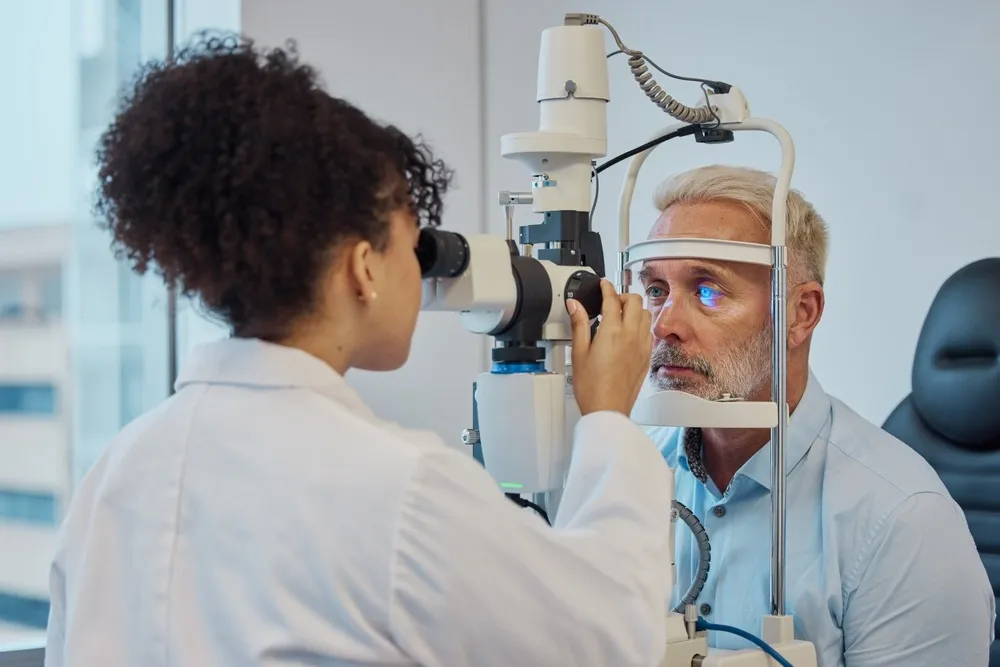
Consistency is key, and regular clinic visits can monitor the disease accurately. Doctors measure internal eye pressure while patients sit quietly in the examination chair. If the pressure shifts upward, the doctor adjusts the prescription, and the patient starts the new routine immediately.
Organized records assist the medical team. Patients write down their symptoms, and a specialist reviews the data. While memory fades over time, a written log provides reliable facts. When individuals bring their medication lists to appointments, the staff review the current medications, and the doctor makes informed clinical decisions.
Book Your Glaucoma Appointment Today.
Timely checkups effectively track progressive eye disease. Specialists evaluate the optic nerve thoroughly, and they measure vision loss. Although daily habits are helpful, strict clinical monitoring remains fundamental. Contact a qualified ophthalmologist in your area to book your glaucoma appointment today.