

Qualified medical doctors who specialize in treating complex human eye conditions are officially called ophthalmologists. Because they complete extensive medical school training, they possess deep clinical knowledge about human vision systems. Patients visit these doctors regularly for evaluations, and the doctors manage many different intricate eye diseases. Here is more information about their primary responsibilities:
Diagnosing Vision Problems
When a patient reports sudden blurry vision, an ophthalmologist conducts a thorough medical examination in the clinic. The doctor carefully checks visual acuity, and the nursing staff records the exact eye measurements for review. They use specialized medical lights to view the retina and optic nerve clearly during the exam. These specific diagnostic steps quickly identify exact structural issues within the hidden eye cavity.
Standard glaucoma tests measure internal eye pressure, and specialized dilation drops open the pupil entirely for careful inspection. The trained physician meticulously examines the delicate optic nerve for any signs of early physical damage. If the internal pressure reads high, the doctor notes a potential glaucoma diagnosis in the chart. Early detection of these specific conditions requires regular clinical testing over a long period.
Performing Surgeries
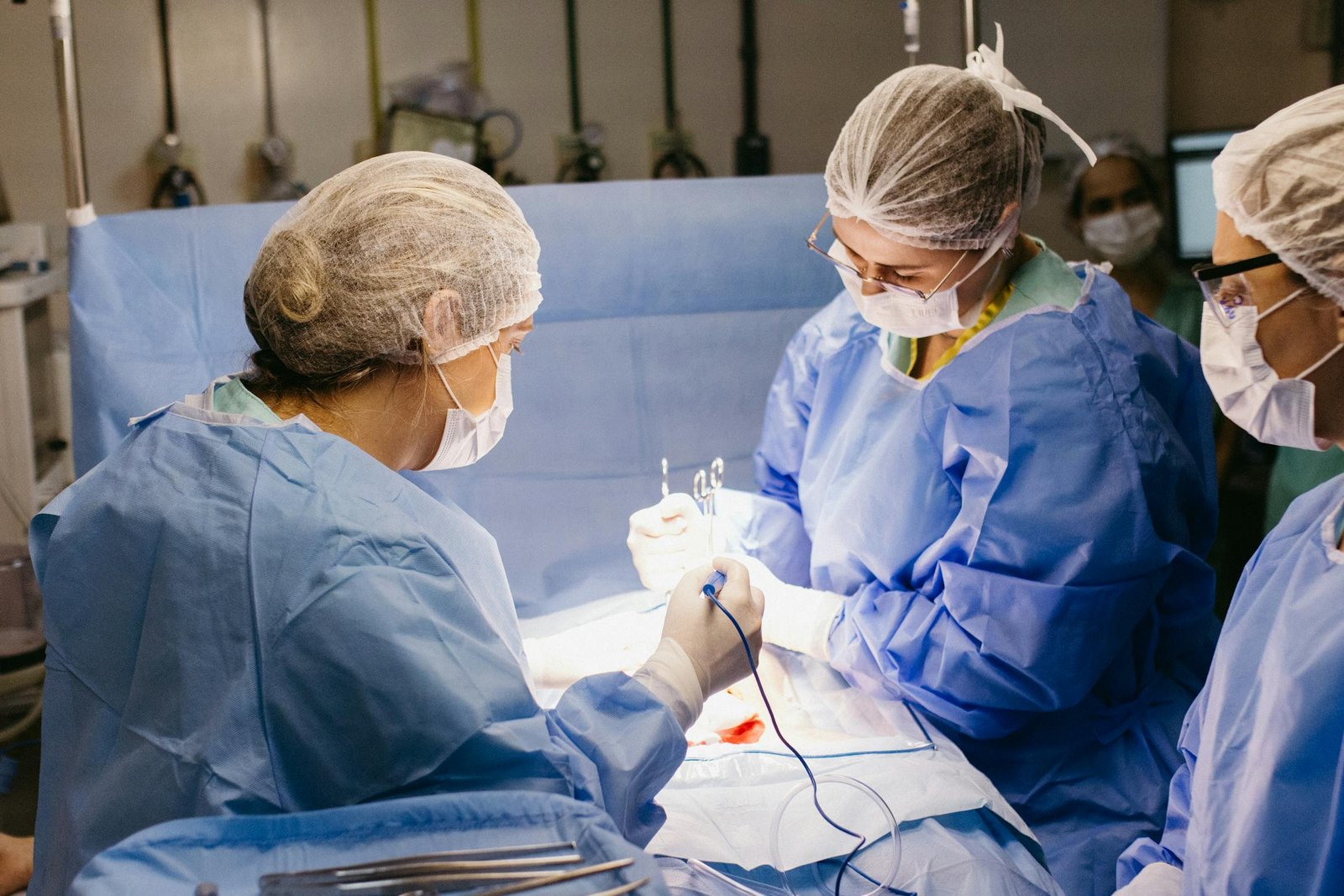
Ophthalmologists perform many intricate and delicate surgeries on the human eye inside sterile medical facilities. They operate in highly controlled environments, and they use precise microscopic surgical tools during procedures. After they numb the targeted eye tissue, they carefully remove damaged cells or cloudy cataracts. Surgical procedures performed by these specialists include the following specific medical options for patients:
- Surgical cataract extraction and physical lens removal
- Delicate retina attachment repair and sealing
- Specific glaucoma fluid drainage implants
- Corrective muscle alignment surgery
Correcting Vision
While many adult patients wear prescription glasses daily, people may seek permanent surgical vision correction options instead. Standard refractive surgery physically changes the exact shape of the clear cornea on the eye surface. The doctor thoroughly evaluates the eye surface, and a medical laser reshapes the tissue exactly as planned. This specific outpatient procedure directly addresses nearsightedness and farsightedness without using external corrective lenses.
Some eyes are simply too thin, and they show irregular physical surface patterns during the mapping tests. Before a doctor formally approves a surgery, they measure the exact corneal thickness very precisely. Not every patient qualifies for these specific outpatient laser vision correction surgical procedures. The doctor reviews all structural mapping data thoroughly before proceeding with any planned surgical intervention.
Surgical lens replacement provides another useful physical method for permanent structural vision correction inside the human eye. When severe cataracts cloud the natural lens, doctors implant clear artificial replacements immediately during the operation. Doctors discuss different artificial lens options, and patients select specific replacement lenses for their individual eyes. This specific physical intervention permanently alters how natural light enters the inner eye chamber.
Providing Specialized Care
Because some severe eye conditions involve other internal body systems, ophthalmologists coordinate with other medical doctors. Systemic diabetes affects tiny retinal blood vessels, and these doctors treat these specific diabetic eye complications directly. Advanced macular degeneration regularly requires targeted medicinal injections.
Visit an Ophthalmologist
Specialized eye care is needed to manage and treat complex conditions that can affect both vision and overall health. Early diagnosis and timely intervention can make a significant difference in preserving eyesight and improving quality of life. If you or a loved one is experiencing any vision changes or has concerns about eye health, don’t hesitate to schedule an appointment with a qualified ophthalmologist.