Pain management addresses chronic discomfort, and it involves a range of medical interventions. Doctors evaluate patient symptoms and design structured treatment protocols for each person. When chronic pain affects routines, physical therapy becomes a practical part of the overall plan. Here is more information on integrating physical therapy into pain management treatment:
Reducing Pain
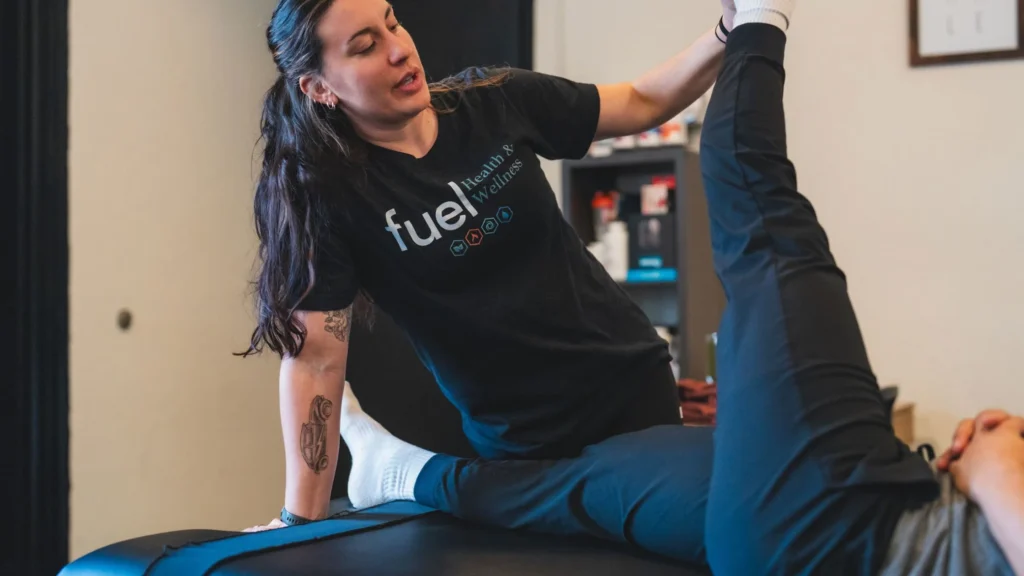
Naturopathic manipulative therapy is used to reduce discomfort by focusing on targeted exercises and hands-on care. Patients manage joints through practical activities, while practicing daily movements that fit their condition. Physical therapy primarily addresses localized pain, aiming to reduce symptoms without medication. Therapists use manual techniques, and patients can set goals for decreased soreness and better function.
Methods include:
- Joint mobilization
- Soft tissue massage
- Heat application
Progress happens gradually as your body adjusts to new pain management routines. Simple changes in daily habits, coupled with professional support, foster improvement over time. If flare-ups occur, your therapist adapts the plan to address them.
Avoiding Opioids
Using medication to treat pain comes with risks, especially when opioids enter the picture. Medications pose dependence risks, so doctors look for safer treatment options. Opioids mask pain for a short period, but their effect does not resolve the underlying issue. While prescription drugs relieve severe aches, physical therapy typically provides a more sustainable approach.
Since medications carry significant side effects, medical teams prioritize careful monitoring. Patients discuss alternative therapies openly at each appointment. Therapists provide exercise routines, and patients follow these instructions at home to help minimize reliance on pharmaceuticals. By remaining open with your care team, you set the groundwork for tailored solutions.
Improving Mobility
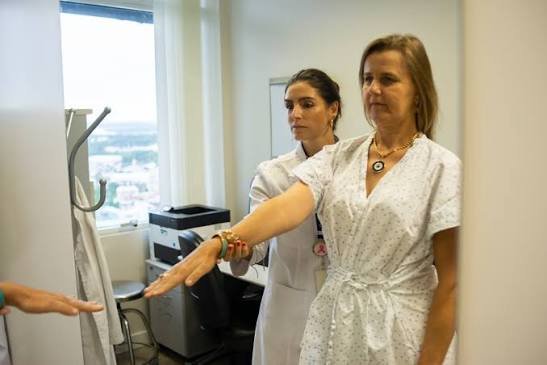
Stiff joints can greatly restrict movement, which affects both simple and complex daily activities. Because a limited range of motion hinders walking and other movements, therapists measure joint flexibility regularly and keep you informed every step of the way. Physical therapists assign targeted stretches, and patients perform them at home to maintain progress outside of clinic visits.
When muscles grow weak, individuals may struggle with even basic physical tasks such as standing or lifting objects. Muscle-strengthening routines support the body’s frame, promoting safer movement. Therapists design weight or resistance routines, and patients complete them to gradually regain strength.
Patients can assess their balance, trying stability exercises to address any deficits. Improving balance helps reduce the risk of falls while supporting independence. After patients complete several rounds of balance exercises, they may notice increased mobility in their steps.
Addressing Root Cause
Because masking symptoms alone neglects the deeper source of discomfort, this approach aims to understand your physical habits. Diagnostic tools reveal any hidden structural challenges, such as muscle imbalances or joint misalignments. With guidance, patients build awareness of movement patterns that contribute to pain and learn ways to adjust their daily activities. Restoring balance within the body takes time and requires active participation from the patient.
Find Pain Management Services
Finding effective pain relief is a step-by-step process that calls for knowledgeable care. When you locate a nearby facility, schedule an evaluation to discuss your needs. Contact a local physical therapist today, and begin your pain management plan with support and guidance. Taking that first step could open the door to better daily function and greater independence.