Minimally invasive spinal fusion is a significant advancement in surgical care for certain spinal conditions, offering a more targeted approach than traditional open procedures. Minimally invasive spinal surgery may help reduce disruption to surrounding tissues while supporting spinal stability and long-term function. Here’s a closer look at advancements in minimally invasive spinal surgery:
Refining Surgical Access
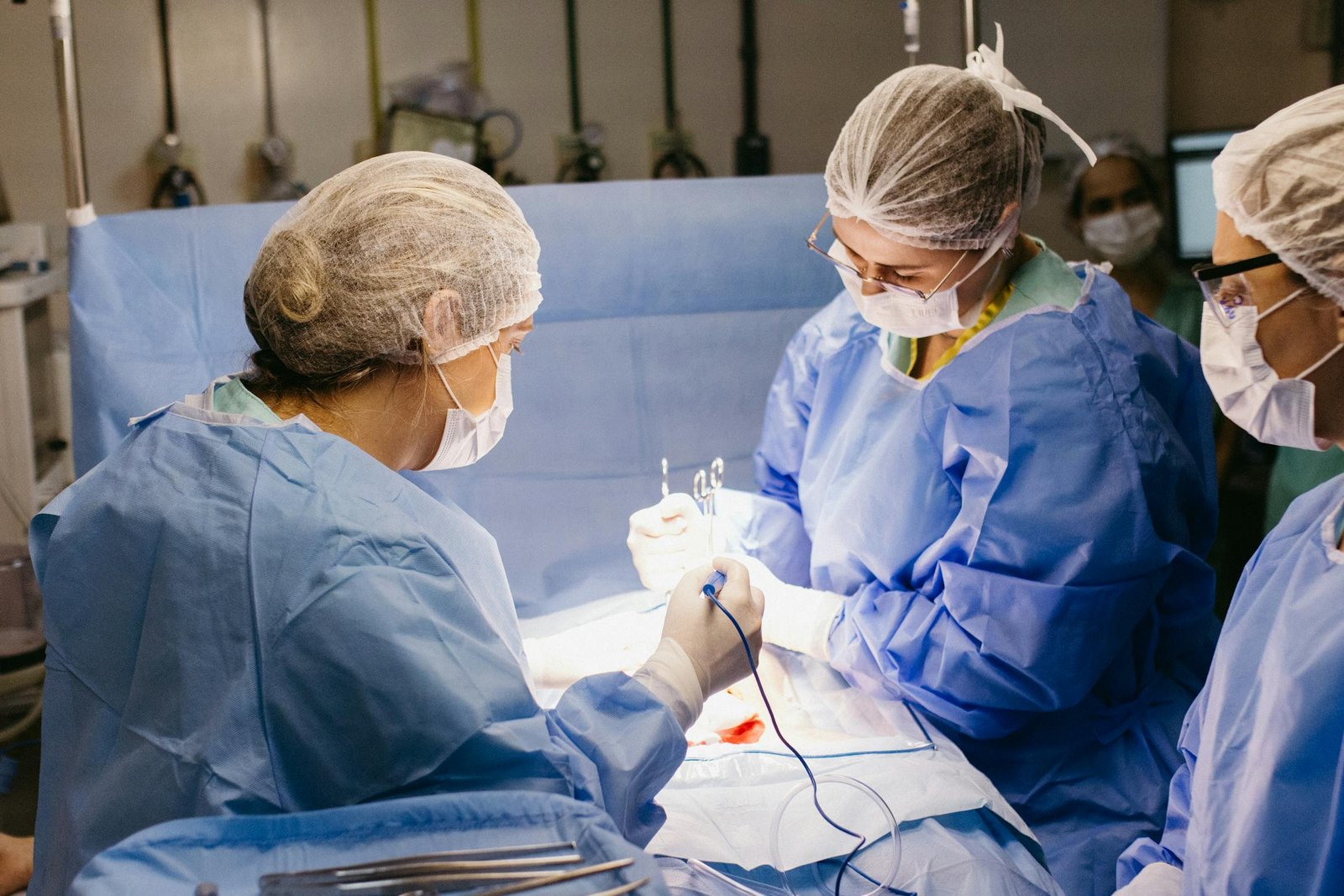
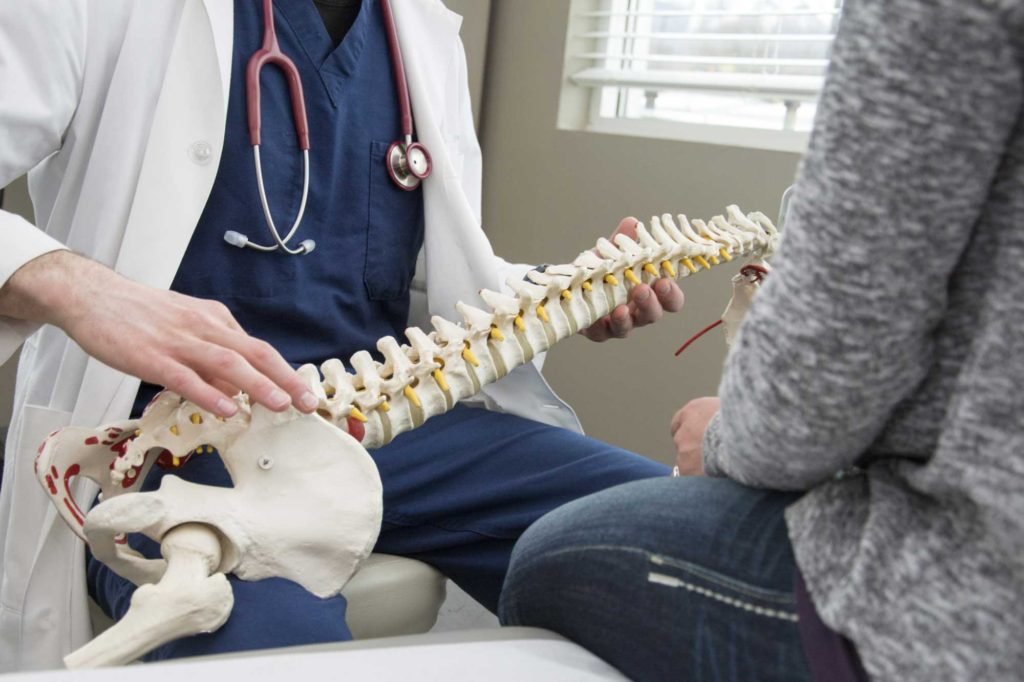
Doctors use specialized tools to access the spine safely; they make tiny cuts in the skin and gently push muscle tissue aside instead. The soft tissues remain mostly intact, reducing the risk of infection for patients after the procedure. Bone grafts from a donor bank help fuse the vertebrae, so surgeons place this material carefully while they monitor the spine’s stability. The spacer serves as a robust bridge between the two backbones. This device strengthens the spinal structure, and it straightens the affected area. After doctors place the bone graft, the treated spinal segment heals into a single solid bone.
Improving Surgical Precision
Surgeons rely on advanced technology for better visibility during procedures. Medical imaging systems provide real-time images of the spine, which guide surgical tools accurately. When doctors see the exact position of the spinal nerves, they can avoid causing unnecessary damage to these sensitive structures. Modern operating rooms feature several types of imaging devices, and these machines enhance the overall safety of the procedure. Here are some imaging techniques specialists use during a minimally invasive spinal fusion procedure:
- Fluoroscopy machines take continuous X-ray images during the surgery to guide instruments.
- Surgical microscopes magnify the surgical field, enabling precise movements and improved visibility.
- Computer navigation systems track the exact placement of metal devices within the bones.
These visualization tools are fundamental for successful outcomes. They improve surgical precision, and they help doctors complete the operation safely. As technology advances, medical professionals continue to refine their techniques for performing minimally invasive spinal surgery.
Enhancing Recovery Design
A key benefit of a minimally invasive spinal surgery is the rapid recovery time. Patients experience less blood loss, and they rarely need prolonged hospital stays. Minimally invasive procedures often use a combination of local anesthetics and intravenous sedation. People rely less on pain medications after the procedure, and they can return to their daily routines faster. The surgery frequently takes place in an ambulatory center; patients arrive in the morning, and they go home on the exact same day.
Expanding Spinal Fusion’s Role
Medical experts use this procedure for various spinal conditions. Here are some of them:
- Treating severe spinal stenosis to relieve nerve pressure and improve mobility.
- Addressing intervertebral disc disorders that cause severe back pain and leg numbness.
- Fixing spinal instability that fails to respond to exercise or physical therapy.
Not everyone is an ideal candidate for this surgery. Physicians evaluate each case carefully, and they recommend surgery only after conservative treatments fail. Patients must make sure that they discuss all available options with their doctor before they make a final decision.
Learn More About Minimally Invasive Spinal Fusion
Minimally invasive spinal fusion provides a reliable approach to back pain relief. The procedure minimizes muscle damage, and it allows patients to recover quickly. It uses advanced technology to improve surgical precision, making it a fundamental option for treating severe spinal problems. Contact a qualified pain specialist near you to schedule your consultation and learn more about minimally invasive spinal surgery today.