


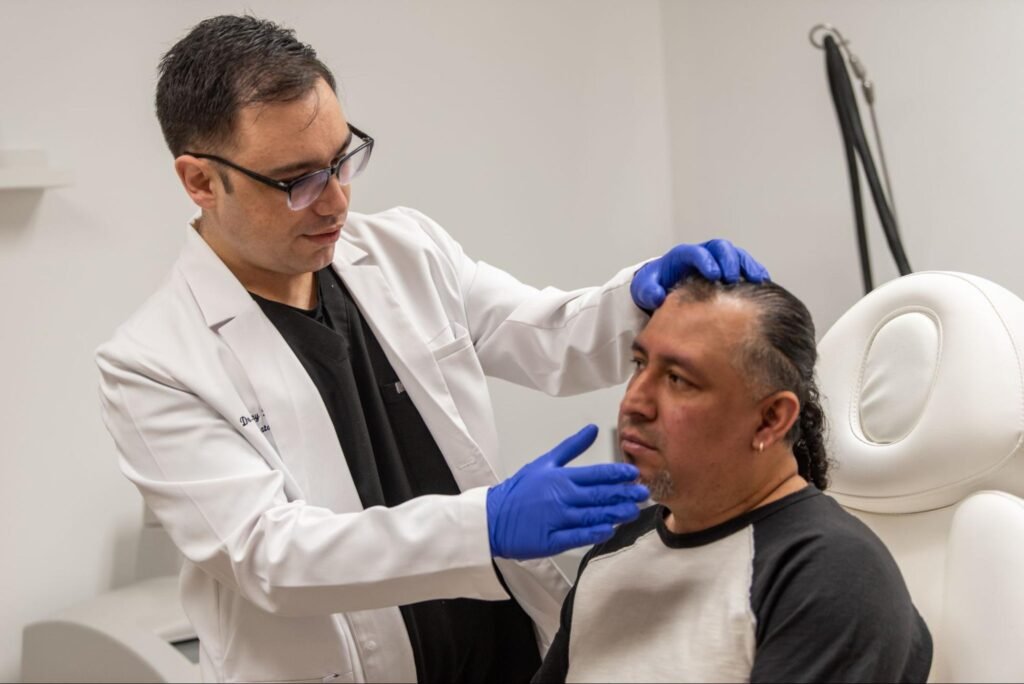
A dermatologist plays a key role in diagnosing and treating a wide range of skin, hair, and nail conditions, making the selection of a qualified professional significant for effective care. With varying levels of training and areas of specialization, not all dermatologists offer the same expertise or approach. By evaluating credentials, experience, and professional standards, patients can make informed decisions when choosing a dermatologist who meets their specific needs.
Verify Board Certification and Credentials
Board certification is the foundation of a reliable medical background. A board-certified doctor has passed rigorous tests and peer evaluations. You should make sure your chosen dermatologist holds this certification, as it proves their dedication to the field. This credential offers some assurance because doctors complete medical school and a specialized residency to earn this credential.
It is helpful to understand the difference between a general license and board certification. A general license allows a doctor to practice, but board certification shows specialized mastery. You should look into this targeted expertise for complex skin conditions. Verifying these credentials protects you from unqualified practitioners and guarantees a higher standard of care.
Review Experience and Track Record
A strong track record of successful patient outcomes reveals a doctor’s capabilities, so look for a professional with years of dedicated experience. Experienced physicians who have managed a wide variety of conditions develop a refined clinical eye, leading to accurate diagnoses. Since clinical experience also involves the volume of cases a doctor handles, you should ask about their experience level during your consultation.
A doctor’s track record often includes recognition from peers, and these professional achievements highlight their commitment to providing comprehensive care. Many highly qualified doctors hold teaching positions or affiliations with respected medical universities. When a doctor has peer-reviewed publications or speaking engagements at medical conferences, it demonstrates a deep understanding of their specialty.
Assess Specialized Training and Expertise
Many professionals pursue fellowship training after residency. This additional education focuses on subfields such as Mohs surgery or cosmetic procedures. Specialized training equips a dermatology specialist to handle complex cases and improve their clinical precision. You should evaluate your needs before choosing a provider. If you need skin cancer treatment, finding a fellowship-trained Mohs surgeon should be your priority.
Continuing education is also key to specialized training. The medical field evolves rapidly, so professionals must learn about new technologies. You can often find a doctor’s recent training or research on their clinic’s website. A doctor who pursues ongoing education remains equipped to offer the most effective solutions, and you will benefit from their up-to-date knowledge.
Check Reputation and Patient Reviews
Patient reviews offer valuable insights into a practice’s daily operations, so reading them helps you gauge the doctor’s communication style. A skin specialist with a solid reputation often maintains a supportive clinic, and reading reviews across multiple platforms can reveal consistent patterns in their care. Personal recommendations from trusted friends or family also carry weight, and you can combine these referrals with online research to form a well-rounded opinion.
Reviews that highlight clear explanations indicate a patient-focused provider, and you should also observe how the clinic responds to feedback. This response shows their commitment to improvement. A trusting relationship with your doctor begins with confidence in their professional reputation, built by gathering this information. By reading reviews and asking for recommendations, you can become more informed in your choice.
Schedule Your Dermatologist Consultation Today
Finding the right dermatology physician requires careful research and a clear understanding of your own needs. You must make sure the provider holds the appropriate board certifications and medical credentials. Evaluating their specialized training and track record helps you feel secure in your decision.
If you are contemplating your skincare needs, reach out to a skin specialist today. Book a dermatology consultation with a board-certified skin doctor near you today for a comprehensive assessment and personalized treatment to revitalize your skin health. Take action today to protect your skin health.