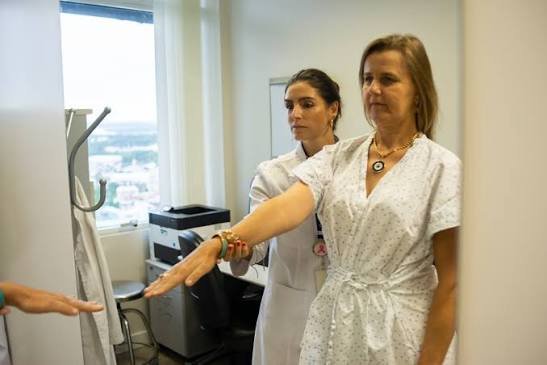



Menopause marks the natural biological transition when a woman stops having menstrual periods permanently. This phase typically occurs between the ages of 45 and 55, and it signals the end of the reproductive years. During this time, the ovaries gradually decrease their production of estrogen and progesterone. Support for this transition involves a combination of lifestyle adjustments, professional medical guidance, and practical community resources. Understanding the specific physical and mental shifts that occur during this time helps individuals navigate the process.
Physical Symptoms and Signs
During the menopause transition, fluctuating hormone levels produce a variety of noticeable physical signs. Changes in the menstrual cycle usually appear first. Periods may become irregular, significantly shorter, or unexpectedly longer before stopping completely. Hot flashes are common, and they can cause sudden feelings of intense warmth across the chest and face. Night sweats frequently accompany these hot flashes and disrupt regular sleep patterns.
Other physical shifts include general changes in metabolism and muscle mass. Individuals often notice weight gain, particularly around the midsection. Vaginal dryness, skin changes, and joint stiffness are also frequently reported during this phase. A decrease in estrogen levels over time affects bone density. Tracking these physical occurrences is a standard part of managing the menopausal process. Keeping a detailed log of these physical changes helps you and your healthcare provider understand your specific biological experience.
Emotional and Cognitive Symptoms
The menopausal transition influences mood, mental clarity, and overall psychological comfort. Hormone shifts directly affect neurotransmitter activity in the brain, which often leads to distinct emotional fluctuations. Experiencing periods of heightened irritability is possible, or you may feel unexpected episodes of sadness. General anxiety and daily stress can feel noticeably more pronounced during this time.
Cognitive changes are another typical aspect of this transitional phase, and many individuals report temporary difficulty with daily focus or short-term memory, often referred to as “brain fog.” You might find it harder to concentrate on complex tasks at work or struggle to recall specific details during conversations. Sleep disruptions resulting from frequent night sweats can heavily compound these cognitive symptoms. Maintaining a consistent daily routine can help stabilize your mood and improve your baseline focus. Acknowledging these emotional and cognitive shifts allows you to address them systematically rather than ignoring them.
Support Systems and Management
Navigating menopause requires a practical approach to daily management and well-structured support systems. Building a reliable network of care helps alleviate the specific challenges associated with these biological changes. Support comes from multiple reliable sources, and it includes both personal connections and professional medical guidance.
Try implementing the following management strategies to build your support system:
- Consult a primary care provider or gynecologist to explore appropriate, individualized management options.
- Find ways to relax for overall health and well-being, and explore therapy options to help change unhealthy thoughts and behaviors.
- Prioritize regular physical activity to help manage physical fatigue and emotional changes.
- Maintain a balanced, nutrient-dense diet to support overall energy levels and bone health.
Professionals offer structured guidance to help you navigate this phase, and they assist you in tailoring a supportive approach that fits your specific daily routine and personal needs.
Ask About Menopause Today
Understanding the specific realities of menopause enables you to manage the transition. Gathering accurate information about your individual signs and symptoms is a step in this process. Prepare a comprehensive list of questions before your next medical appointment, and track any ongoing changes in a daily symptom log. Reach out to a healthcare professional today to discuss your specific experiences. Addressing these natural changes openly helps you receive the precise guidance necessary for a supported transition.