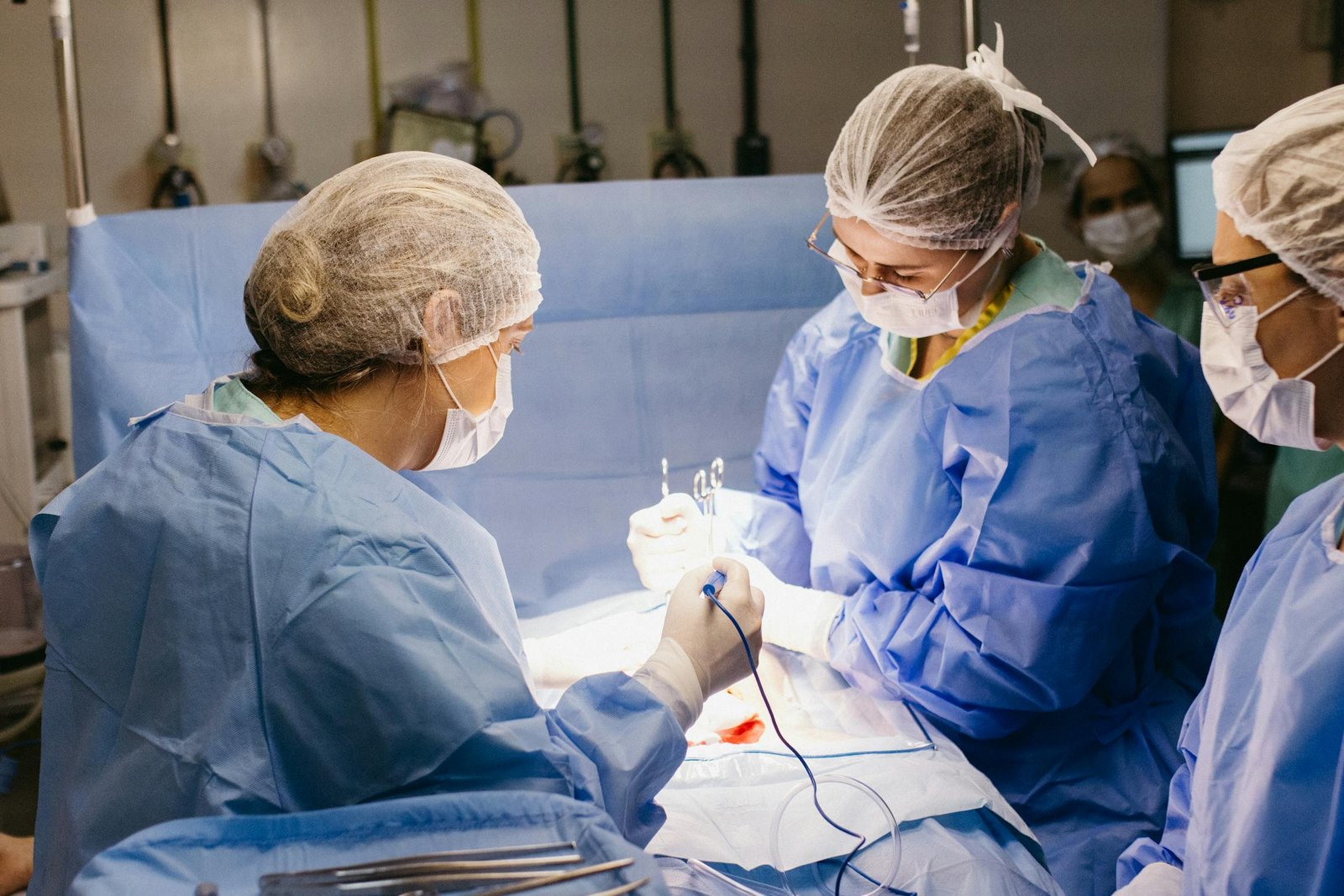



The sinuses are air-filled spaces within the bones of the face and skull that are lined with membranes that produce mucus to protect the respiratory tract. In healthy individuals, these passages remain open, allowing for proper drainage and clear breathing. Chronic inflammation, anatomical irregularities, or persistent infections can block the natural drainage pathways. This leads to ongoing symptoms and a decrease in quality of life that may require sinus surgery to address.
What Is Chronic Sinusitis?
Chronic sinusitis refers to prolonged inflammation of the sinus linings lasting 12 weeks or longer, even after medical treatment. Persistent swelling narrows or obstructs the openings between the sinuses and nasal passages, which traps mucus and raises the risk of infection. Symptoms often include nasal congestion, facial pain or pressure, and a reduced or lost sense of smell and taste. Some individuals experience fatigue, headaches, postnasal drip, and ongoing cough.
Several factors can underlie this inflammation:
- Nasal Polyps: Noncancerous growths that block sinus passages.
- Deviated Septum: The wall dividing the nasal passages is uneven, leading to restricted airflow.
- Allergies and Immune Issues: Ongoing exposure to allergens or immune disorders can worsen swelling.
A diagnosis often relies on a combination of symptom duration, physical examination, and imaging tests to clarify the extent and location of the disease.
What Is Sinus Surgery?
Sinus surgery aims to correct structural problems and restore normal drainage. This is typically achieved by widening the blocked or narrowed sinus passages. Ear, nose, and throat (ENT) specialists perform these procedures, relying on minimally invasive techniques to minimize tissue disruption and recovery time.
Endoscopic sinus surgery is commonly performed for chronic cases. The surgeon inserts an endoscope through the nostrils, which gives a direct view of the sinuses. Using specialized instruments, the surgeon removes obstructions such as polyps, thickened tissue, or small sections of bone.
What Are the Benefits?
Sinus surgery is designed to restore ventilation and normal mucus flow in the sinuses. While many experience meaningful improvement after surgery, outcomes depend on the underlying condition, surgical technique, and adherence to post-procedure care recommendations. Some notable benefits may include:
- Symptom Relief: Many patients report decreased sinus pressure, facial pain, and congestion following surgery.
- Nasal Breathing: Enhanced airflow through the nose is a frequent outcome, which may help with sleep quality and decrease the need for mouth-breathing.
- Support for Medical Therapies: Open sinuses allow topical treatments to reach affected areas more effectively, supporting better long-term management.
- Restoration of Smell: In cases where inflammation or polyps impaired the sense of smell, surgery may help restore olfactory function.
Ongoing management with medical therapy and follow-up appointments remains a key part of supporting long-term sinus health.
Speak With an ENT Specialist
Discussing symptoms and previous treatments with an ENT specialist is the first step in assessing chronic sinusitis and reviewing potential surgical options. During the consultation, the specialist may discuss available surgical and nonsurgical options. Understanding both the benefits and limitations of sinus surgery enables patients to make informed decisions about their care. Partnering with an ENT specialist helps clarify whether surgery aligns with your needs. They can guide you through the available options for symptom relief and improved daily function.