


Navigating the healthcare system requires understanding the distinct roles of different medical facilities. Medical events frequently occur that demand prompt attention, without reaching the severity of a life-threatening emergency. Knowing where to direct these health concerns helps individuals receive timely evaluations at an emergency clinic while keeping hospital resources available for severe traumas. Understanding these factors allows individuals to make informed decisions regarding their medical care.
What Is an Emergency Clinic?
An emergency clinic operates as a dedicated medical facility designed to treat acute illnesses and injuries that require prompt attention. These centers bridge the gap between primary care physicians and hospital emergency departments. They may operate outside of standard medical office hours, remaining open during evenings and weekends. Medical professionals at these locations possess the specialized training required to evaluate sudden symptoms efficiently.
These facilities utilize a comprehensive staffing model. By employing a diverse range of medical professionals, the clinics can effectively manage a high volume of patients. The physical centers house specialized diagnostic equipment directly on-site, as patients may have access to X-ray machines and basic laboratory testing. The immediate availability of these diagnostic tools allows the medical staff to evaluate underlying issues rapidly, leading to a streamlined patient experience.
When Should You Visit One?
Medical staff at these clinics evaluate a wide array of specific, non-life-threatening ailments. The facilities handle common physical injuries, seeking evaluation for minor fractures, joint sprains, muscle strains, and lacerations that require sutures. Physicians regularly evaluate gastrointestinal distress, and patients who present with sudden stomach pain or persistent nausea receive comprehensive assessments. Other frequent ailments treated at these locations include minor infections and urinary tract symptoms. By visiting an urgent care clinic for these specific conditions, patients receive immediate evaluation. Directing non-life-threatening issues to these centers keeps hospital emergency rooms clear for individuals experiencing severe events, such as cardiac arrest, stroke, or major trauma.
What Should You Expect?
Individuals typically undergo a standardized intake process. Following the initial registration, the patient is assessed. This evaluation can involve recording baseline health metrics, including blood pressure and heart rate. This process dictates the specific order in which healthcare providers see patients and prioritize individuals presenting with more severe or unstable symptoms.
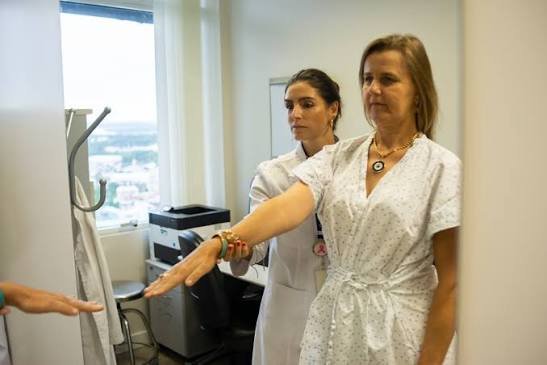
During the primary examination, the attending healthcare provider reviews the patient’s medical history and conducts a physical assessment. If the provider requires more diagnostic data to form a conclusion, they may order on-site tests. After completing the evaluation and reviewing any diagnostic results, the medical staff formulates a plan. The provider dispenses specific discharge instructions, prescribes medications if necessary, and offers guidance regarding follow-up care.
Visit a Local Clinic
Preparing for unexpected medical situations streamlines the overall care process. Individuals can benefit greatly from identifying nearby clinic locations and confirming their specific operational hours before an immediate need arises. Many modern medical facilities now offer online check-in systems, allowing patients to reserve a place in the queue prior to leaving their homes, reducing time spent in physical waiting rooms. Being prepared helps patients receive necessary professional evaluations without unnecessary delay.