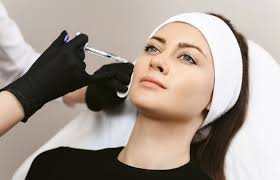
Many individuals seek safe, effective methods to address changes in their facial appearance as they age. Botox injections offer a widely utilized approach for addressing dynamic wrinkles, which form from repeated muscle contractions over time. Grasping these details helps individuals make informed decisions regarding their facial aesthetic options, allowing them to discuss with a dermatologist.
What Is Botox?
Botox functions primarily as a localized neuromodulator. When injected into targeted areas, the substance temporarily intercepts the signals from nerves that instruct muscles to contract. By reducing specific muscle activity, the overlying skin softens and decreases the visibility of expression lines. Practitioners typically apply this treatment to the forehead, the glabellar lines between the eyebrows, and the crow’s feet around the eyes.
The effects typically remain localized to the precise injection sites and don’t affect the entire body. The effects gradually wear off over several months. Because of this natural decline in effects, the targeted muscle activity eventually returns to its baseline state, with wrinkles gradually reappearing.
What Are the Risks and Benefits?
Patients frequently choose this treatment because it operates as a minimally invasive, non-surgical option for facial rejuvenation. The procedure requires minimal downtime, which allows most individuals to resume normal daily activities almost immediately after leaving the clinic. Patients regularly observe a visible reduction in dynamic wrinkles, creating a smoother and more rested skin texture. The precise application allows skilled practitioners to tailor the treatment to individual facial structures, achieving subtle and natural-looking outcomes.
As with any injection-based procedure, specific risks exist. Common side effects include localized pain, slight swelling, and minor bruising at the injection sites. Some individuals experience temporary headaches following the treatment. In rare instances, the injected substance can migrate to adjacent muscles and lead to temporary facial asymmetry, such as a drooping eyelid. Severe complications remain exceedingly rare when a professional administers the product accurately.
What Should You Expect?
Preparation begins several days before the scheduled appointment. Practitioners generally advise patients to avoid medications and supplements that thin the blood. Disclosing all existing health conditions guarantees a safe approach. During the appointment, the provider uses a fine needle to inject precise amounts of the neuromodulator into the designated muscles. The entire injection process typically takes less than fifteen minutes, and patients generally don’t experience much or any pain.
Following the injections, specific aftercare guidelines apply. Providers strongly advise patients to remain upright for several hours and to avoid touching, massaging, or rubbing the treated areas. Noticeable results usually begin to emerge within three to five days. The final outcome becomes fully apparent after a week or two.
Confer With a Dermatologist
Determining the appropriateness of this treatment necessitates a professional medical evaluation. A dermatologist possesses comprehensive knowledge of intricate facial anatomy, which allows them to precisely map the underlying musculature. This specific expertise facilitates accurate dosing and strategic placement, mitigating risks while maximizing aesthetic outcomes. Consulting a medical specialist provides a structured framework for long-term aesthetic planning. A professional consultation aligns the treatment schedule with your individual physical responses, anatomical features, and personal aesthetic goals.
- Questions to Ask Before Joining a Clinical Study
- A Clear Guide to Choosing and Preparing for a Cancer Clinical Trial
- Choosing Adult Autism Residential Support: A Practical Guide to Daily Life, Safety, and Independence
- Clinical Trial Phases: What Each Stage Means for Participants and Patients
- Clinical Trials: Important Facts Before Patient Participation