


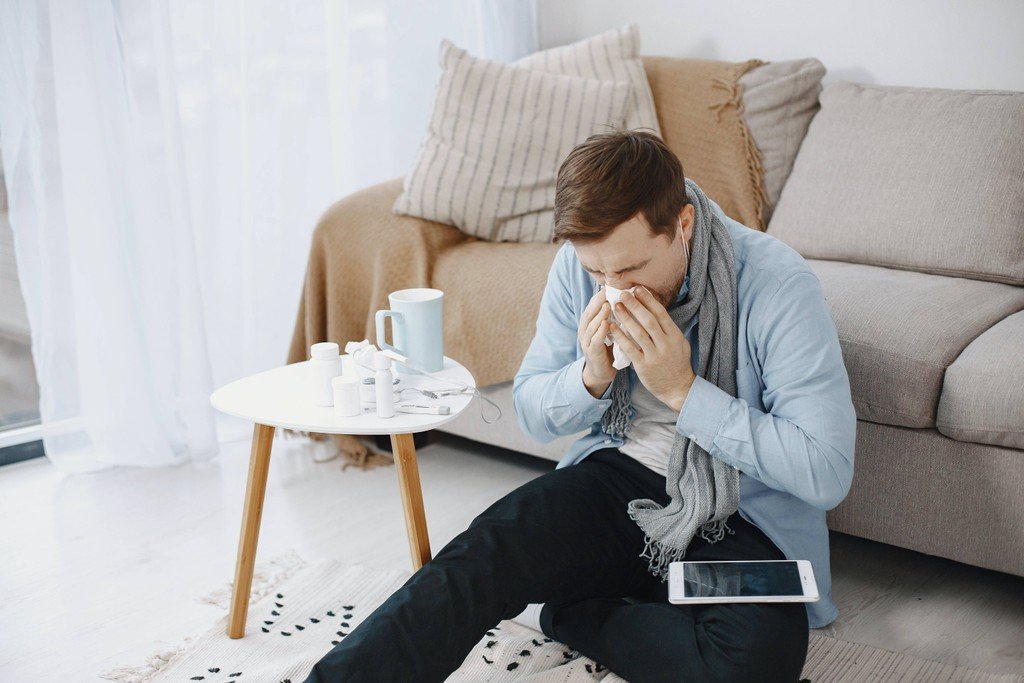
Allergies occur when your immune system reacts to a foreign substance, and this reaction can cause varying levels of discomfort. Common allergens include pollen, pet dander, dust mites, and certain foods. While you cannot change how your immune system works, you can adjust your daily habits to minimize contact with these substances. Implementing practical lifestyle changes serves as a foundational approach to managing your environment. By modifying your surroundings and daily routines, you can reduce your exposure to specific allergens.
Identify and Avoid Triggers
The first step in proactive allergy management is understanding exactly what causes your reactions. Identifying your specific allergens to reduce exposure often requires careful observation over time, and recording your symptoms in a daily log may help you notice patterns connected to certain environments or activities. Once you know what triggers your symptoms, you can take deliberate steps to avoid those specific elements in your daily life. Limiting time outdoors on dry, windy days when allergens spread easily is a practical measure to lower your risk. Delegate outdoor chores and change out of clothes worn outside promptly to reduce your risk if pollen is a concern. By consistently avoiding the substances that trigger your allergies, you can establish a more comfortable baseline for your daily activities.
Keep Indoor Air Clean
Maintaining clean indoor air is effective in reducing exposure to airborne allergens. You can use weather apps or watch local news reports to monitor pollen counts. This allows you to adjust your routine on days when levels are high. Closing windows and doors prevents outdoor allergens from drifting indoors during peak pollen times. To further improve air quality, try using a portable HEPA air purifier in key rooms, such as your bedroom or home office. Regularly changing the filters in your heating and cooling systems according to the manufacturer’s guidelines can also help remove airborne particles; regular vacuuming of carpets with a HEPA-filtered vacuum cleaner helps capture and remove allergens from your living spaces.
Practice Good Hygiene
Personal hygiene and household cleanliness go hand in hand when dealing with environmental allergens. Microscopic particles attach to your hair, skin, and clothing throughout the day. Showering before you go to bed washes away pollen and dust, helping you avoid transferring these particles into your sleeping environment. Your bed can trap a significant amount of dust mites and pet dander if not properly maintained, so using allergy-proof bedding helps create a barrier between you and potential allergens. Implement these hygiene practices to protect your sleeping space:
- Encase your mattresses, box springs, and pillows in dust-mite-proof covers.
- Wash all blankets, sheets, and pillowcases in hot water at least once a week.
- Keep pets out of the bedroom entirely to prevent dander from settling on your linens.
- Wash your hands immediately after petting animals to remove saliva and dander.
Ask About Allergies Today
Managing allergies requires a consistent approach to your daily habits and environment. By identifying triggers, maintaining clean indoor air, and practicing diligent hygiene, you actively reduce your exposure to allergens. These straightforward adjustments provide a practical framework for navigating your environment more comfortably. If lifestyle modifications do not provide enough relief, you have other options available. Schedule a consultation with an allergist or healthcare provider to discuss your specific situation. They can perform precise allergy testing and provide a comprehensive management plan tailored to your needs. Take the next step toward understanding your environment, and ask a professional about your allergies today.