


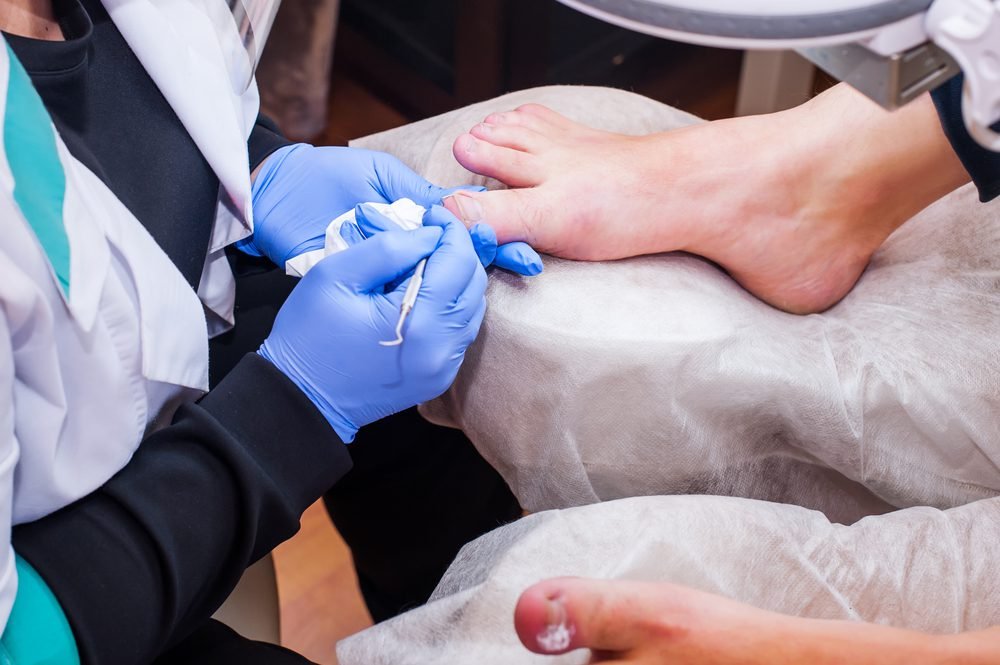
Ingrown toenails, or onychocryptosis, often cause pain, swelling, redness, and discomfort that may interfere with walking and daily activities. They often develop when the edge of the nail grows into the surrounding skin, which can lead to irritation or infection if not addressed early. Understanding how to prevent ingrown toenails and when to seek treatment can help reduce complications and support better foot health. Here is a closer look at how to prevent and treat ingrown toenails effectively:
Identifying Causes and Risks
Ingrown toenails can develop for various reasons, many of which are preventable with proper care. Here is a list of the common causes and risk factors:
- Improper Nail Trimming: Cutting toenails too short or rounding the corners can encourage the nail to grow into the surrounding skin.
- Footwear Issues: Wearing shoes that are too tight, narrow, or poorly fitted places excessive pressure on the toes, increasing the risk of onychocryptosis.
- Trauma or Injury: Stubbing a toe, dropping something heavy on it, or repeated pressure may lead to nail deformity.
- Genetic Factors: A predisposition to thicker or curved nails can increase the likelihood of developing onychocryptosis.
- Poor Foot Hygiene: Allowing dirt and sweat to accumulate without regular cleaning can irritate the skin around the nails.
Understanding these causes can help mitigate the risk of developing painful ingrown toenails.
Recognizing Early Symptoms
Patients generally notice visible changes in the affected toe area. When the nail penetrates the skin, the surrounding tissue turns red. The area feels tender to the touch, and you may observe mild swelling along the nail border. The symptoms progress rapidly without proper medical intervention. As bacteria enter the compromised skin barrier, the body produces localized warmth around the nail. You may see fluid draining from the toe or notice a distinct odor. A serious infection requires prompt medical evaluation from a podiatrist.
Using At-Home Care Strategies
For mild cases of ingrown toenails, several at-home care strategies can help alleviate discomfort and prevent further complications. Here are some of them:
- Warm Water Soaks: Immerse the affected foot in warm water for some minutes, twice daily, to reduce swelling and soften the surrounding skin.
- Proper Nail Trimming: Carefully trim your toenails straight across, without curving the edges, to prevent them from growing into the skin.
- Use Cotton or Dental Floss: Gently place a small piece of cotton or clean dental floss under the edge of the ingrown nail to encourage the nail to grow above the skin.
- Apply Antibiotic Ointment: Use a topical antibiotic ointment on the affected area to minimize the risk of infection and promote healing.
- Wear Open-Toed or Loose Shoes: Opt for footwear that minimizes pressure on the toes to reduce irritation and promote healing.
If symptoms persist or worsen despite these interventions, it is key to consult a podiatrist to prevent further complications.
Exploring Medical Treatments
Severe clinical cases of ingrown toenails demand professional podiatric care. When home treatments fail, a podiatrist evaluates the toe for minor surgical intervention. The doctor numbs the toe with a local anesthetic, then removes the infected nail segment.
After the doctor removes the sharp nail piece, they may apply a chemical solution to the nail root. This specific chemical destroys the targeted cells, and it prevents the nail edge from regrowing. The initial recovery process takes a few weeks. While the toe heals, you must follow the doctor’s specific wound care instructions closely.
Get treatment for ingrown toenails
An ingrown toenail causes significant physical discomfort for some patients. If you recognize the initial symptoms early, you can apply effective at-home care strategies. Severe onychocryptosis requires professional intervention, and podiatrists can provide relief through minor in-office procedures. Contact a qualified foot and ankle specialist near you to schedule your appointment for ingrown toenails and explore available treatment options.


Leave a Reply