

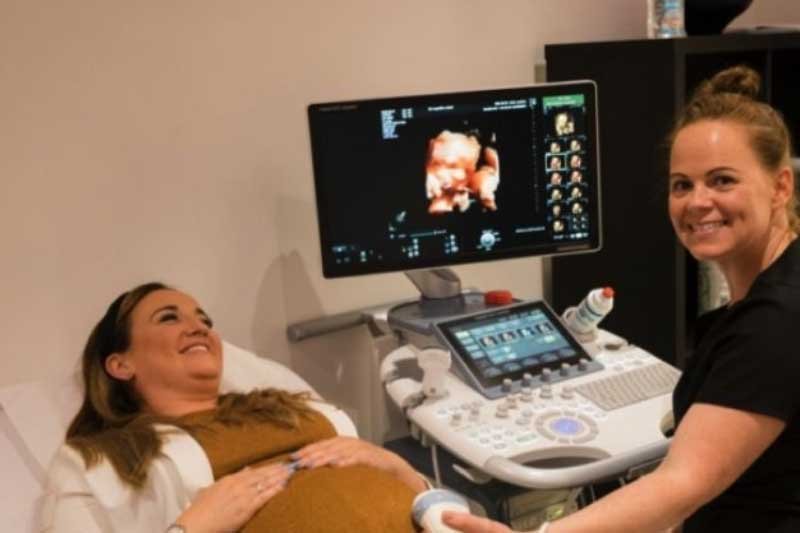
Ultrasound technology is a standard obstetric imaging modality used to monitor and evaluate the progress of a pregnancy. The equipment uses high-frequency sound waves to capture images of the inside of the body, and it provides real-time information about fetal development. By sending these sound waves through maternal tissue, the machine creates a visual representation of the fetus, placenta, and uterus on a monitor. This technology plays a significant role in fetal health monitoring. It allows healthcare professionals to track growth metrics and verify expected due dates. It also enables observation of the anatomical development of the fetus without invasive procedures.
Key Impacts
Ultrasound imaging has become a central and indispensable tool in modern prenatal care; it provides real-time insights that help healthcare teams effectively guide and manage a pregnancy. This non-invasive technology offers a clear and detailed visual assessment of the fetus, placenta, and amniotic fluid. The visual data enables more precise and comprehensive monitoring than was ever possible with older, less direct methods of evaluation.
The primary impacts of this technology include:
- Growth Tracking: Technicians can measure the head, abdomen, and femur to estimate fetal weight and monitor development.
- Anatomical Observation: The scans allow professionals to observe the development of internal organs, limbs, and the spinal cord.
- Fluid Assessment: Care teams use the imagery to measure the volume of amniotic fluid surrounding the fetus, which is a key indicator of the intrauterine environment.
- Placental Location: The technology identifies the placenta’s position to confirm it is not obstructing the cervix prior to delivery.
- Multiple Gestation: Imaging can easily identify twins, triplets, or other multiple pregnancies early in the first trimester.
Ultrasound Safety and Accuracy
When discussing prenatal imaging, understanding the safety profile and the technology’s limitations is helpful for expectant parents. Ultrasound is a non-invasive procedure that does not use ionizing radiation, and this distinguishes it from X-ray imaging. Healthcare providers follow strict guidelines to minimize any potential risks. Major medical organizations confirm that ultrasounds performed by trained professionals are standard in prenatal care.
While useful, ultrasound accuracy depends on several distinct factors. Image quality depends on fetal position, amniotic fluid, and maternal tissue density. The accuracy of the data depends heavily on the sonographer’s experience and skill in operating the equipment. It provides detailed information, but ultrasound imaging is a tool for observation rather than a definitive diagnostic guarantee.
Future Trends
The field of prenatal imaging is advancing rapidly due to ongoing technological innovation; equipment manufacturers and software developers are focused on improving image clarity, enhancing accessibility, and refining data analysis. These developments are designed to support care teams with better tools for monitoring pregnancies. Notable trends in this area include advances in imaging modes, such as three-dimensional imaging, and the integration of artificial intelligence to analyze images more efficiently. The rise of portable and point-of-care ultrasound devices is expanding access to prenatal health monitoring, especially in remote or underserved regions. Software development is also enabling automated measurement capabilities, helping verify that the calculation of standard fetal measurements is consistent and less prone to human error during routine scans.
Ask About Ultrasound Technology Today
Understanding how imaging works can help you prepare for your prenatal visits. If you are currently expecting, speak with your obstetric care team about your ultrasound schedule. Ask your healthcare provider any questions about the equipment, or ask about the specific measurements they are taking during your scans. They can explain how each scan fits into your pregnancy timeline and answer any concerns you may have about your prenatal monitoring. Staying informed throughout this process helps you take an active role in your care and supports a healthy pregnancy.