


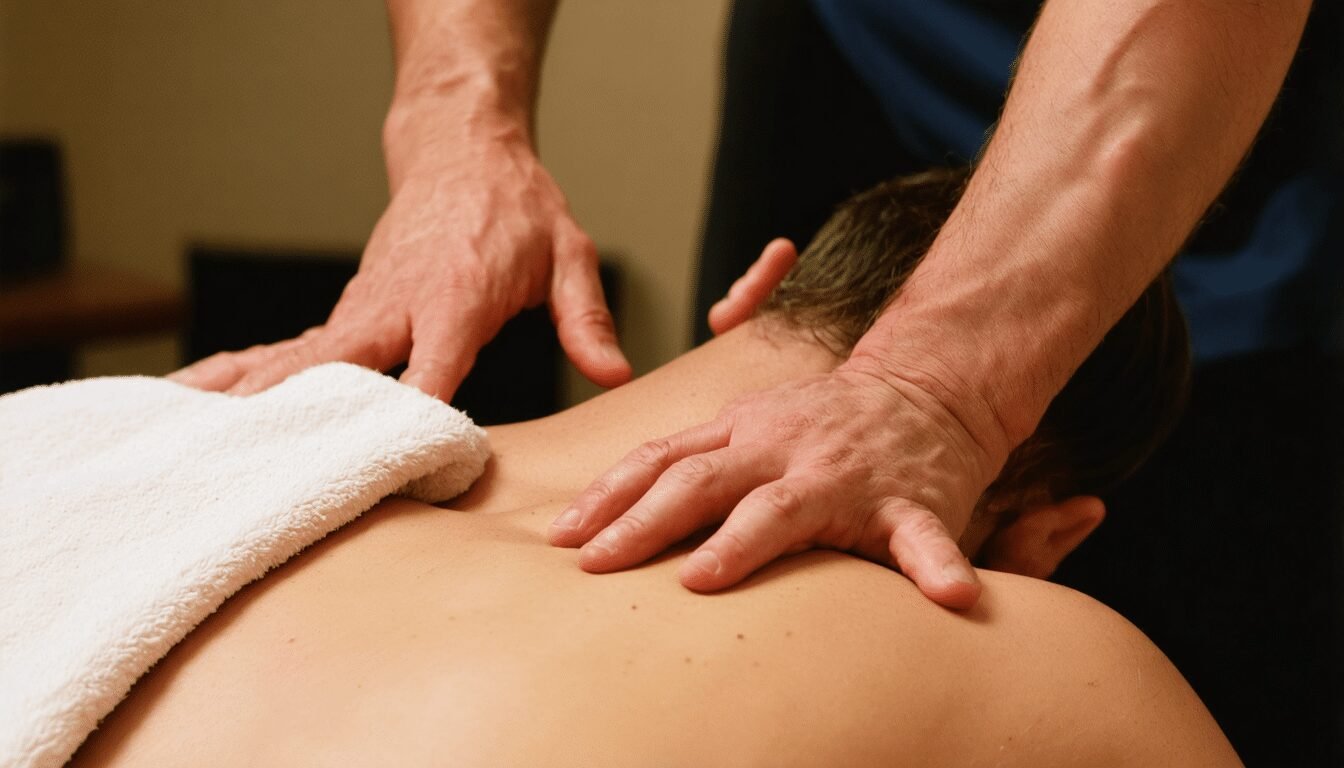
Deep tissue massage involves applying sustained pressure to the body to target deep muscle layers, and it can be used to relieve chronic pain. When trained therapists use slow and deliberate strokes, they reach the inner connective tissues. This therapy addresses deep muscular issues directly, and it helps manage persistent bodily discomfort. Here is more information on relieving chronic pain through deep tissue massage techniques:
Reducing Tension
Chronic pain can create severe muscle tightness, and this resulting stiffness severely limits daily physical movement. Massage practitioners press firmly into the affected muscle bands to break up rigid tissue. As they work systematically through the deep fibers, the tight muscle bands loosen.
Because muscular knots form from repetitive overuse, targeted friction directly breaks them down over time. Therapists locate the exact source of tension in the body, and they apply continuous localized friction. The consistent physical manipulation physically lengthens the shortened muscle fibers back to their natural state.
Improving Circulation
Firm massage strokes physically force blood through the congested and painful muscle areas. After the therapist releases the applied pressure, fresh new blood flows instantly into the tissues. This moving fluid carries necessary oxygen, and it effectively removes accumulated metabolic waste products. It also aims to:
- Deliver fresh oxygen directly to tired muscles.
- Flush out built-up lactic acid from tissues.
- Bring healing nutrients straight to damaged cells.
- Support natural cellular repair processes throughout muscles.
- Help clear inflammatory markers from sore regions.
- Push stagnant fluid out of swollen extremities.
- Promote better overall fluid dynamics inside muscles.
- Assist the lymphatic system in draining toxins.
Releasing Endorphins
The human body naturally produces helpful endorphins during periods of intense and focused physical touch. These chemicals act as natural painkillers, and they boost a person’s well-being. While the massage therapist applies deep pressure, the human nervous system responds.
Endorphins can help block incoming pain signals, so patients typically experience immediate relief during the session. If the physical pressure remains consistently steady, the brain releases more of these hormones. Natural pain management aims to reduce a patient’s overall reliance on over-the-counter daily pain medications.
While deep tissue massage sometimes feels slightly intense, it promotes very deep systemic bodily relaxation. The resulting chemical shift inside the brain thoroughly calms the entire central nervous system. Heart rates drop at a steady pace, and breathing patterns may become much deeper naturally. This holistic approach alleviates physical discomfort, and it also supports long-term well-being.
Alleviating Pain
Regular deep tissue sessions target the actual root causes of persistent muscular discomfort and aching. Since therapists address the underlying scar tissue directly, physical mobility gradually returns to normal. Affected joints regain their previous flexibility, and everyday physical activities typically become much easier to perform.
Deep tissue massage aims to:
- Break down scar tissue to restore muscle elasticity.
- Promote faster healing in damaged areas.
- Reduce inflammation by relieving tension in deep muscle layers.
- Release chronic pain patterns by relaxing trigger points.
Schedule Deep Tissue Massage Sessions
Before you start any new physical therapy, consult your primary medical doctor for advice. Contact a chiropractic care clinic staff member today to book your very first introductory appointment. You can typically find convenient scheduling options, and a team of medical providers can help you.