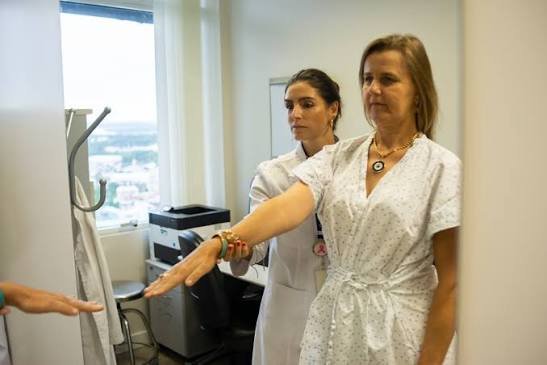



Back pain ranges from a dull, persistent ache to sharp, debilitating pain, and it can be categorized as acute or chronic. Causes vary widely, from muscle strain and poor posture to structural problems like herniated discs or arthritis. The daily choices you make, including how you sit and how you exercise, play a role in how back pain develops and how well it can be managed.
Pain Causes
Back pain has many potential causes, and understanding them helps clarify where lifestyle changes can make a difference. Muscle or ligament strains are common causes that are often triggered by heavy lifting or an abrupt awkward movement. Structural issues like bulging discs, arthritis, and osteoporosis can also produce significant discomfort in the back.
Lifestyle factors may contribute to pain risk. Excess body weight puts added stress on the back, and a sedentary lifestyle weakens the muscles that support the spine. Psychological factors, which include anxiety and depression, have also been linked to back pain.
Ergonomic Sitting
When you sit for a prolonged period, particularly in unsupported positions, it places strain on the lumbar spine. The discs and muscles in the lower back bear more pressure when seated, and poor workstation setup amplifies this stress. Choosing an ergonomic chair and adjusting your desk setup can meaningfully reduce these strain patterns.
Specific ergonomic adjustments that support spinal health include:
- Keeping both feet flat on the floor and knees at a 90-degree angle
- Positioning the screen at eye level to avoid neck and upper back strain
- Supporting the natural curve of the lower back with lumbar support
- Taking brief standing or walking breaks every so often
These changes address one of the most modifiable contributors to chronic pain, especially for people who spend extended hours at a desk.
Active Lifestyle
Regular physical activity supports back health through multiple mechanisms. Movement reduces inflammation, and it maintains the flexibility of muscles and ligaments surrounding the spine. Because a sedentary lifestyle allows these supporting structures to weaken and stiffen over time, low-impact activities like walking and swimming are widely recommended for people with pain.
Strength Training
Core strength is closely tied to spinal stability, and weakness in the abdominal and back muscles is a well-established contributor to back pain. Targeted strength training builds the muscular foundation the spine relies on for support during movement and sustained posture. The core acts as a stabilizing cylinder around the lumbar regio. It reduces the load placed directly on vertebrae and discs.
Exercises like planks, bridges, and bird-dogs activate deep core muscles, and these are commonly included in physical therapy programs for pain. Resistance training improves bone density too, which matters for those at risk of osteoporosis-related back problems. Progressing gradually, using proper form, and focusing on back-friendly movements reduces the risk of aggravating an existing condition.
Learn About Back Pain Treatment
Back pain is influenced by a wide range of factors, including posture, activity levels, and muscular strength. Sitting with proper ergonomic support reduces spinal strain from prolonged desk work, and an active lifestyle preserves the flexibility and circulation the spine needs to stay healthy. Strength training builds the core support that protects against injury and helps manage existing pain. If you want to learn more about pain treatment and prevention, consult a medical provider near you.