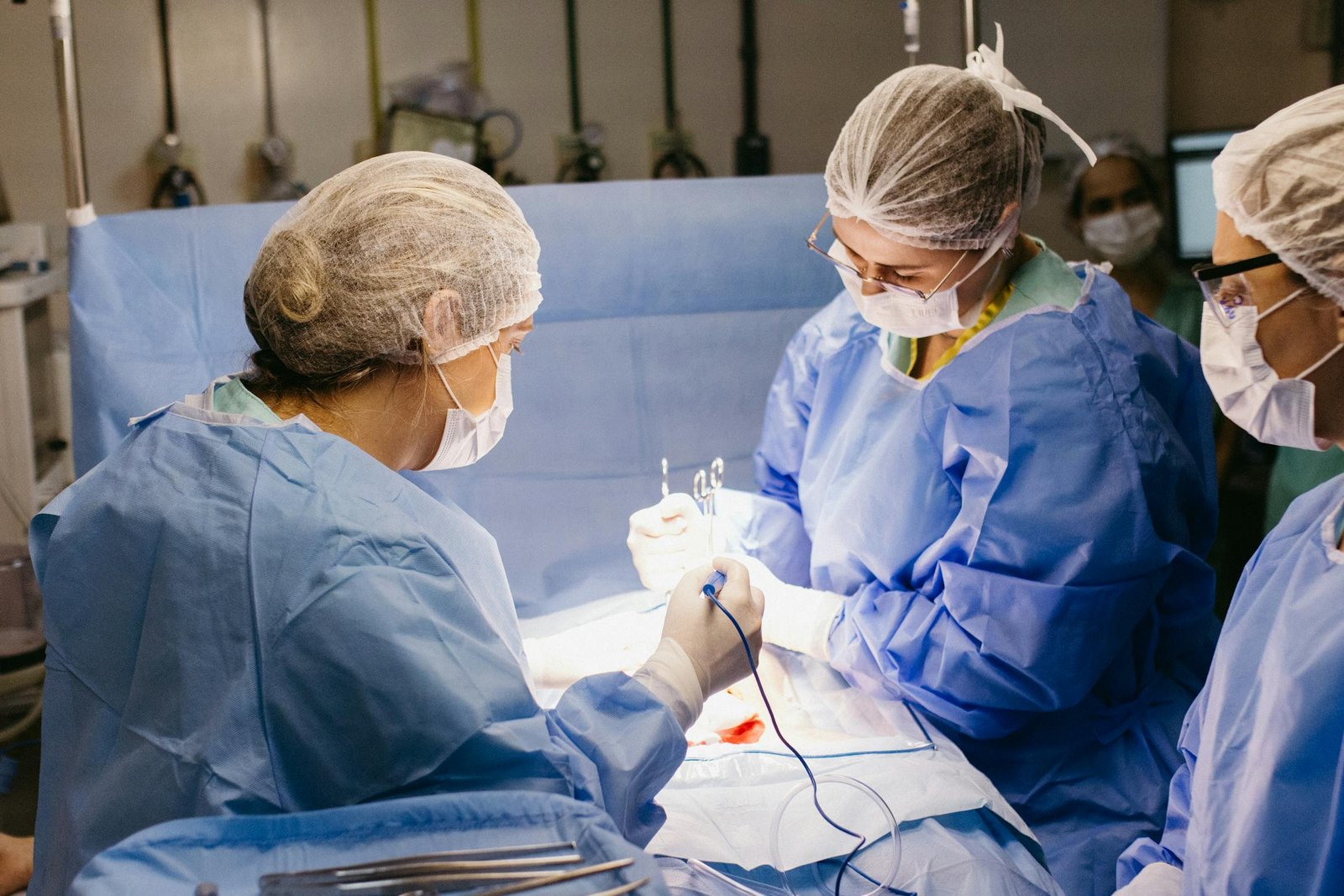


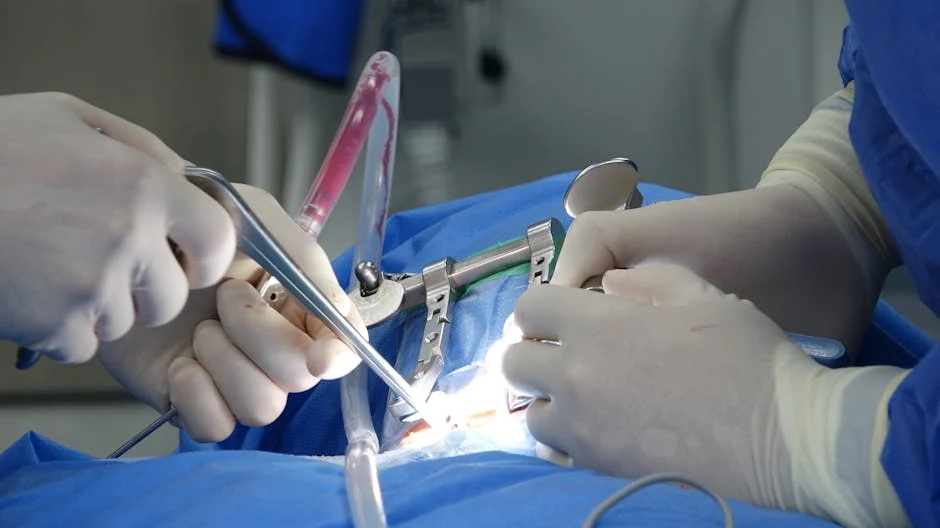
Minimally invasive spine surgery stabilizes the vertebral bones and spinal joints while mitigating damage to surrounding areas. Traditional open surgery requires long incisions, but minimally invasive techniques utilize advanced imaging and specialized instruments to access the spine through very small incisions. By avoiding extensive tissue disruption, this approach aims to reduce postoperative discomfort and shorten overall hospital stays. Surgeons use these methods to address many spinal conditions, from fractures to nerve compression, prioritizing precise anatomical targeting during surgery. Here’s information on three common minimally invasive spine surgeries:
Balloon Kyphoplasty
When conservative measures fail to provide adequate relief, a physician may recommend evaluating kyphoplasty as a viable alternative. Balloon kyphoplasty is a minimally invasive spine surgery that addresses vertebral compression fractures. These fractures compromise the structural integrity of the spinal column, leading to discomfort, reduced spinal height, and potential posture changes.
Medical professionals generally recommend balloon kyphoplasty for individuals diagnosed with painful compression fractures in the spinal vertebrae. These fractures frequently occur due to osteoporosis, a condition that progressively weakens bone density, or they can arise secondary to traumatic injuries or certain localized tumors. Some conservative treatments that are commonly tried first include:
- Extended Rest
- Physical Therapy
- Bracing
- Prescribed Pain Management Medications
What To Expect
A kyphoplasty is typically performed under local or general anesthesia, which an anesthesiologist administers and monitors. You will be lying on your stomach, so the surgeon can make a small incision in your back. Using fluoroscopy for real-time X-ray guidance, the surgeon inserts a narrow tube directly into the fractured vertebra. A medical-grade balloon is then passed through this working tube and carefully inflated within the collapsed bone.
How Kyphoplasty Benefits You
This targeted inflation creates a cavity within the vertebra and aims to restore the bone to its original height. Once the internal space is properly formed, the balloon is deflated and extracted. The surgeon then fills the newly created cavity with a specialized orthopaedic cement. This cement hardens within minutes, stabilizing the internal bone structure and preventing further collapse.
Spinal Cord Stimulation
Spinal cord stimulation utilizes an implanted medical device to modulate nerve activity, effectively managing chronic pain. The stimulation system consists of thin wires, called leads, and a small, pacemaker-like battery pack, known as a generator. During an initial trial phase, temporary leads are placed in the epidural space near the spinal cord. This trial phase is done to determine if the therapy is beneficial for your spinal pain.
If the trial is successful, a permanent system is implanted. The permanent generator is typically placed under the skin in the abdomen or upper buttocks. Once activated, the generator delivers mild electrical impulses to the targeted nerves. These impulses interfere with the pain signals traveling to the brain, so they replace them with a light tingling sensation.
Vertiflex Superion
The Vertiflex Superion is an indirect decompression device utilized to treat lumbar spinal stenosis. Lumbar spinal stenosis occurs when the spinal canal gradually narrows, compressing the nerves traveling through the lower back. The Vertiflex procedure involves inserting a small titanium spacer between two adjacent vertebrae. A surgeon delivers this spacer through a small, minimally invasive tube, and the device opens its arms once it reaches the correct anatomical position. By holding the vertebrae slightly apart, the implant maintains an open space for the nerves to pass freely.
Learn More About Minimally Invasive Spine Surgery
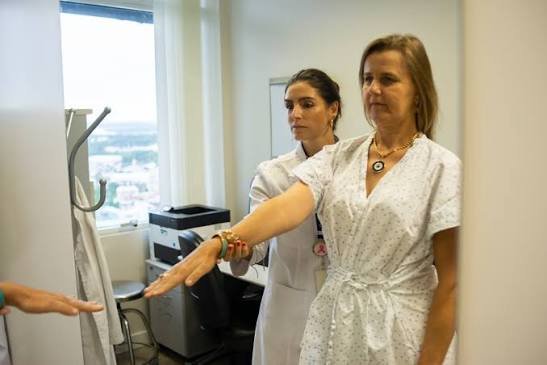
Minimally invasive techniques provide alternative avenues for addressing complex spinal issues, but they are not suitable for every individual. The appropriate surgical approach depends on your spinal condition, your overall health, and your specific anatomy. To understand which minimally invasive options align with your personal medical situation, schedule a consultation with a board-certified spine specialist. A comprehensive clinical evaluation helps you gather the information needed to make an informed decision regarding your ongoing spinal health.