

Glaucoma is one of the leading causes of blindness worldwide, and it affects day-to-day life. Knowing what to expect and how to adapt can make a difference in managing the condition. Here is more information on glaucoma, what causes it, its symptoms, its effects on daily living, and practical strategies for coping:
What Is Glaucoma?
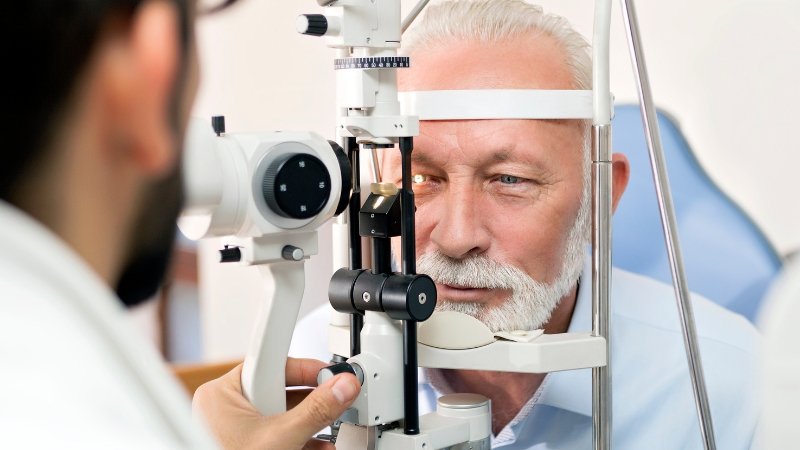
Glaucoma is a group of eye conditions that damage the optic nerve, which connects the eye to the brain. This damage is commonly linked to elevated pressure inside the eye, known as intraocular pressure. Left untreated, glaucoma leads to progressive vision loss and, eventually, blindness. It is one of the leading causes of blindness globally, but early detection can help improve patient outcomes.
What Causes It?
The most common cause of glaucoma is a buildup of fluid in the eye that raises intraocular pressure, and this places strain on the optic nerve over time. In some cases, glaucoma can develop even when eye pressure is within a normal range. Risk factors include age, family history, high eye pressure, thin corneas, and certain medical conditions such as diabetes or high blood pressure.
What Are the Symptoms?
Glaucoma often progresses gradually, and early symptoms may go unnoticed. The most common form, open-angle glaucoma, typically causes no pain and no visible changes until significant vision loss has already occurred. Peripheral (side) vision is usually the first to be affected, creating blind spots that expand if the condition goes untreated.
Acute angle-closure glaucoma, a less common form, presents more suddenly and severely. Symptoms may include intense eye pain, headaches, nausea, blurred vision, and seeing halos around lights. These symptoms require immediate medical attention, as the condition can cause rapid vision loss.
How Is Daily Life Affected?
Vision loss may significantly affect mobility and independence, and this is particularly relevant for peripheral vision loss. Navigating busy environments, driving, and detecting objects in your side field of view become more challenging as the condition progresses. Some patients may also report difficulties with tasks like reading, watching television, or recognizing faces. Glaucoma demands a long-term commitment to treatment, which typically involves regular specialist appointments and surgical procedures.
What Are Effective Coping Strategies?
Staying consistent with prescribed treatment is a direct way to slow glaucoma’s progression, and missing doses or skipping appointments may accelerate vision loss. Using reminders, pill organizers, or phone alarms supports adherence. Adapting the home and daily routine to accommodate changing vision is another practical step. Improving lighting, increasing contrast in living spaces, and using magnification tools can make everyday tasks more manageable.
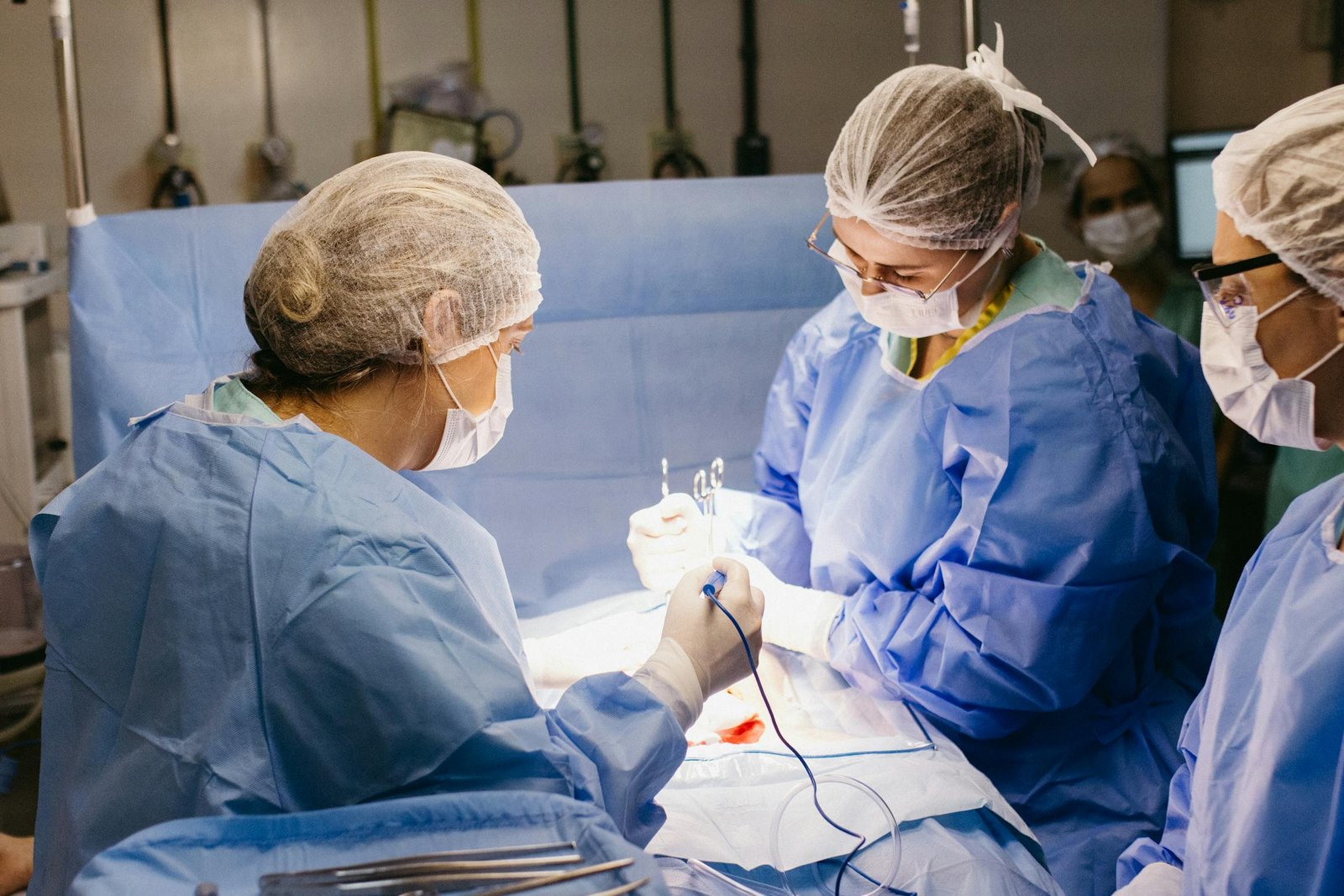
Several surgical options are available to manage glaucoma. These procedures are designed to lower intraocular pressure by creating new drainage pathways for the eye’s aqueous humor. A minimally invasive glaucoma surgery (MIGS) may involve the insertion of a micro-stent. This small device is implanted in the eye to create a channel that bypasses the natural drainage system, and this allows fluid to exit more effectively.
Laser surgery is another treatment option. Procedures such as selective laser trabeculoplasty (SLT) use a focused laser to target and stimulate the eye’s drainage tissue. This stimulation improves aqueous humor outflow and reduces intraocular pressure. Laser surgeries can be an effective alternative to eye drops, so consulting a specialist about the available treatment options is beneficial.
Consult a Specialist Today
Glaucoma affects vision gradually, but its impact on daily life can be significant. Understanding the condition, recognizing its symptoms, and applying practical coping strategies contribute to a better quality of life. If you have been diagnosed with glaucoma or are experiencing changes in your vision, speak with a glaucoma specialist.