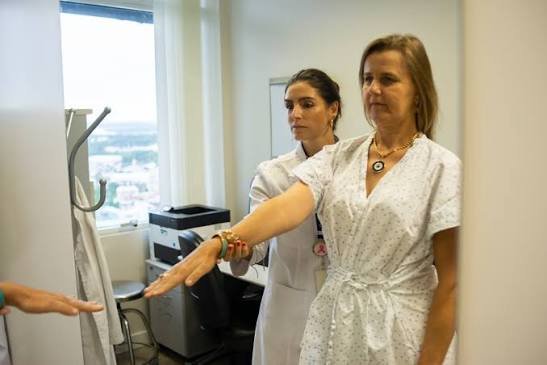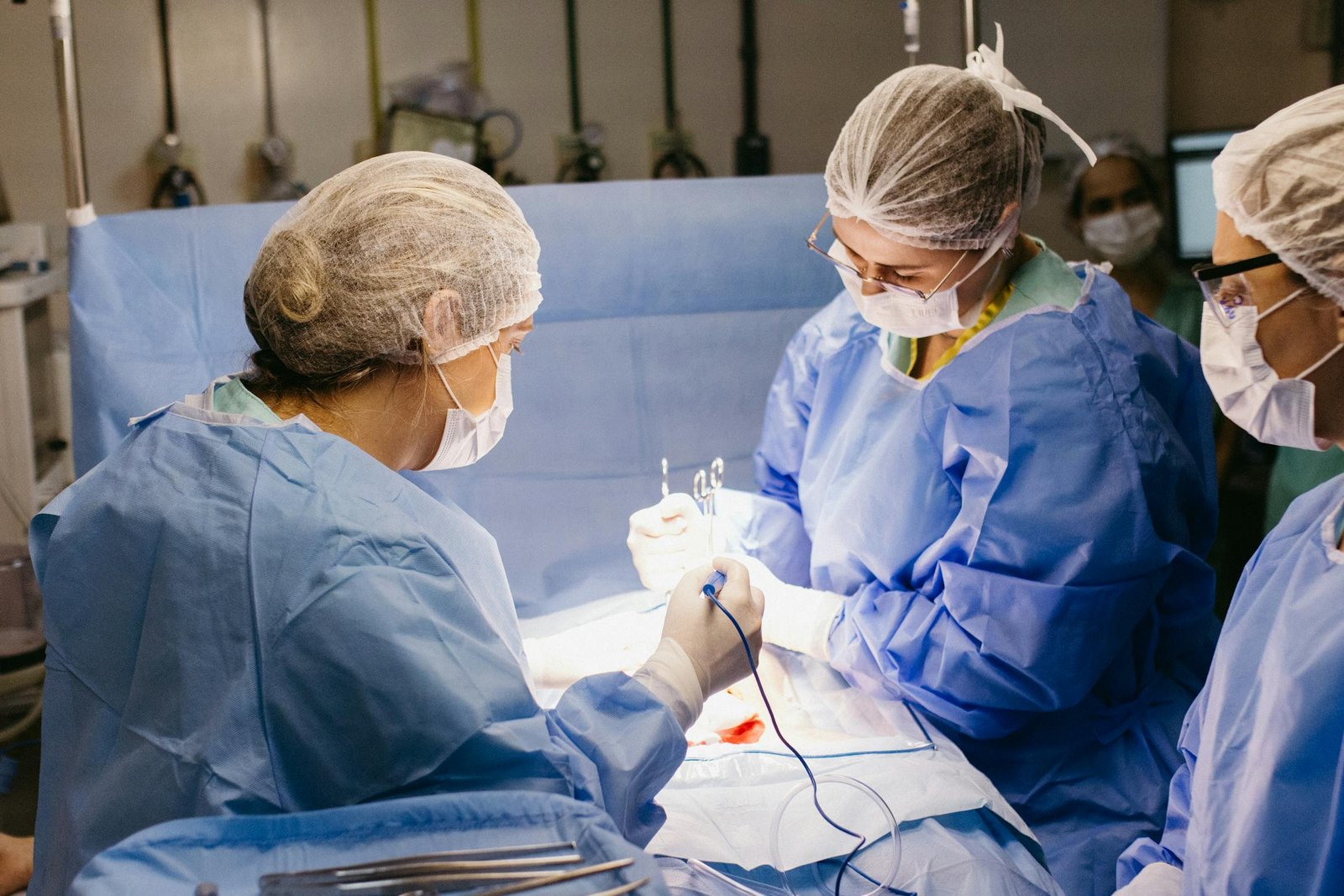



Recovering from surgery often requires more than rest alone. Physical therapy (also known as physiotherapy) plays a key role in helping patients regain strength and mobility, alongside function, while following a surgical procedure. Through guided exercises, targeted treatments, and personalized rehabilitation plans, physical therapy supports the body’s healing process while reducing the risk of complications or long-term limitations.
Restoring Mobility and Motion
After surgery, one of your first priorities is to restore movement. Prolonged rest can cause stiff joints and tight tissues, limiting your range of motion. Physical therapy helps with guided stretching, joint mobilization, and gentle movement exercises. Your physical therapist will work with you to increase movement safely, without putting stress on healing tissues.
Sessions often start with assisted exercises, then advance to more independent movements as you heal. This structured approach is key to restoring normal function and helps you build confidence. Regaining mobility takes time, but consistent therapy significantly speeds up the process. Patients in physical rehabilitation often return to daily activities much faster than those who rely on rest alone.
Reducing Pain and Swelling
Pain and swelling after surgery can slow your recovery. If left unmanaged, they can limit your rehabilitation exercises. Physical therapy uses various techniques to address both issues. These can include ultrasound, electrical stimulation, and manual therapy. Each method targets inflammation and discomfort in different ways.
Movement also plays a key role in reducing swelling. Muscle contractions from exercise help move fluid away from the surgical site. This process pumps fluid back into circulation. A physical therapist will design an effective movement program for you. By managing pain well, you can participate more in your recovery. This leads to a more active healing process without relying only on medication.
Rebuilding Strength and Muscle Function
After surgery, the muscles around the surgical site often weaken because your body avoids using the injured area. Physiotherapy is necessary for rebuilding this lost strength. It directly impacts your return to normal activities. Therapists create resistance and endurance programs for you. These programs target the specific muscles affected by the surgery.
Physical therapy also improves neuromuscular function. This is the link between your nerves and muscles. Retraining this connection is necessary for efficient movement, and it helps your body regain stability. By focusing on both strength and control, therapy makes sure you can perform daily tasks efficiently. This comprehensive approach is key to a successful and lasting recovery.
Preventing Complications and Reinjury
Post-surgical recovery has several risks, including blood clots, scar tissue, joint stiffness, and reinjury. Physical therapy can reduce these risks with structured movement and patient education. A therapist guides early mobilization to promote circulation and reduce the risk of blood clots. They also use scar tissue management techniques to prevent movement limitations. Your therapist will teach you how to move efficiently during daily activities, which helps you avoid accidental strain or reinjury.
Physiotherapy also gives you the knowledge to manage your recovery at home. You will learn which movements to avoid and how to progress your activity levels. Understanding when to seek further guidance is also part of your rehabilitation plan. This practical framework helps in achieving a smooth and successful recovery.
Book a Physical Therapy Appointment
Post-surgical recovery is a process that benefits greatly from expert guidance. Physical therapy addresses the full spectrum of recovery needs, from restoring mobility and reducing pain to rebuilding strength and protecting against complications. Each of these elements works together to support a more complete and lasting recovery. If you or someone you know is preparing for surgery or navigating the recovery process, speak with a qualified physical therapist for an effective treatment plan. Book an appointment with a physical therapist near you for an examination and a personalized rehabilitation plan aligned with your recovery goals.