


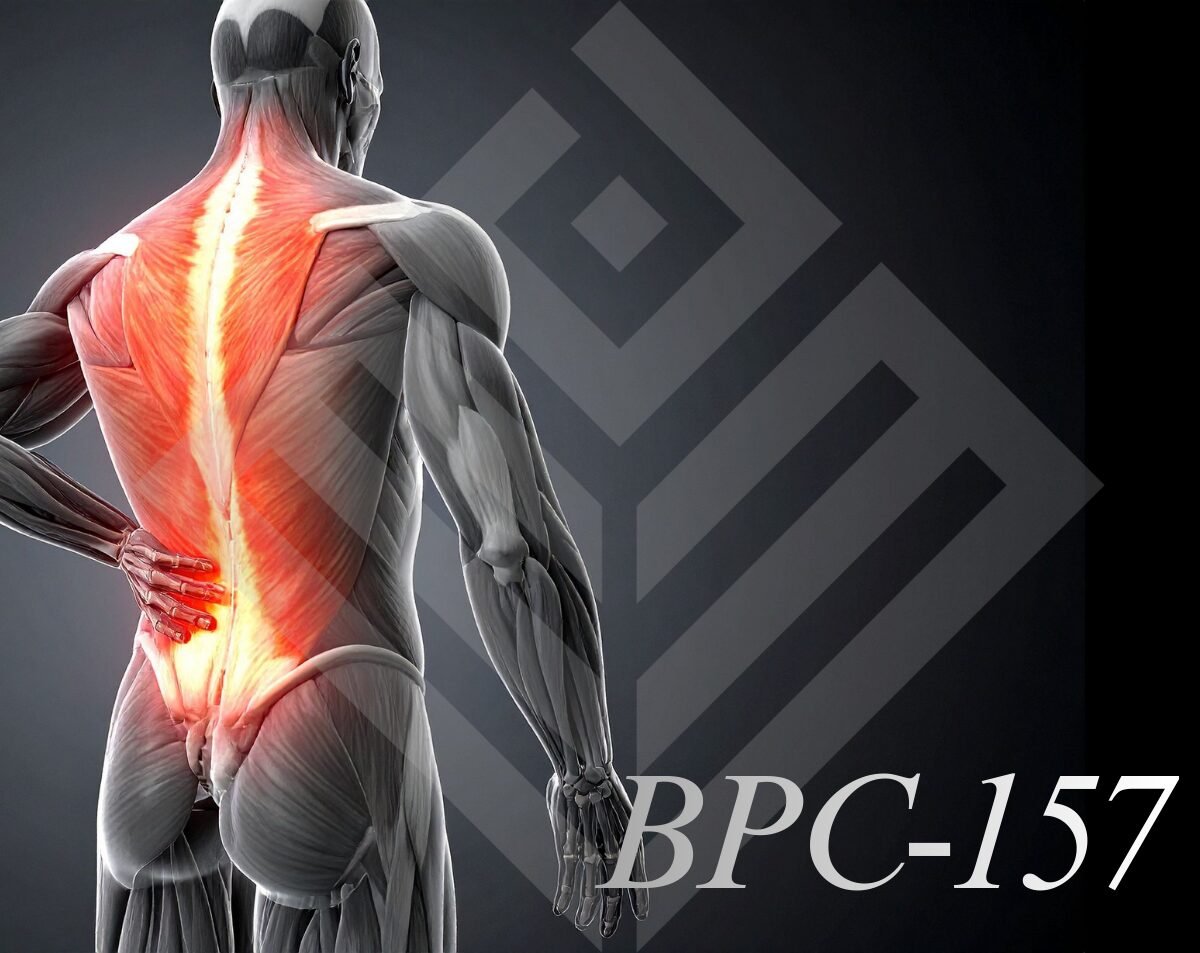
Athletes and active individuals often look for ways to support recovery, strength, and overall physical performance. Peptide therapy is one option with the potential to support the body’s natural repair, recovery, and performance-related processes. It is typically recommended as part of a broader wellness or performance strategy under medical supervision. Here is more information on peptide therapy and athletic performance:
Understanding Peptide Therapy
Peptides are short chains of amino acids, the building blocks of proteins. The body produces them naturally, and they act as chemical messengers that tell cells what to do. Peptide therapy involves using targeted amino acid sequences to support specific functions, such as tissue repair, hormone regulation, and metabolic efficiency.
When introduced into the body, peptides bind to specific receptors on cells. This triggers a response that can influence processes such as growth hormone release, inflammation regulation, and muscle protein synthesis. Peptides are highly targeted; they interact with specific systems rather than broadly affecting the entire body. Each peptide has a different mechanism, so the effects depend on which peptide is used and how it is administered.
Exploring Performance Benefits
Research into peptide treatment for athletic performance is ongoing, and results vary between individuals. The following are potential benefits that have been observed in clinical and emerging research:
- Faster muscle recovery: Some peptides may shorten recovery time after intense training by supporting cellular tissue repair.
- Increased lean muscle mass: Certain peptides stimulate growth hormone release, which can promote muscle development when combined with resistance training.
- Improved fat metabolism: Peptides that influence metabolic pathways may help the body use fat as fuel more efficiently.
- Reduced inflammation: Some peptides have anti-inflammatory properties, which may lower post-exercise soreness and reduce injury risk.
- Injury repair support: Some peptides may accelerate the healing of tendons, ligaments, and other connective tissue.
Responses to peptide treatment differ from person to person, and not all peptides have extensive long-term human data to support their use.
Assessing Safety Concerns
Before starting peptide therapy, a thorough medical evaluation is fundamental. A qualified physician will review health history, current medications, and performance goals before determining whether peptide treatment is appropriate. This step helps identify conditions that may make certain peptides unsuitable for a given patient.
Safety is a key concern with any advanced medical therapy. While many peptides occur naturally in the body, synthetic versions carry risks if used without proper supervision. Side effects can include hormonal imbalances, changes in blood sugar, or reactions at injection sites. Ongoing clinical monitoring helps detect and address these issues early.
Integrating It Into Performance Strategies
Peptide therapy works best as one part of a broader performance strategy, not as a standalone solution. The following steps outline how to incorporate peptide treatment effectively:
- Start with a professional consultation: A physician will assess your health status, goals, and suitability for specific peptides before prescribing anything.
- Align peptide selection with performance goals: The right peptide depends on whether the focus is recovery, endurance, muscle growth, or injury repair.
- Combine with structured training: Peptide therapy supports the adaptations that training creates.
- Optimize nutrition: Protein intake, caloric balance, and micronutrient support all amplify the cellular processes that peptides influence.
- Schedule regular follow-ups: Ongoing medical monitoring helps track progress, adjust dosages, and detect any side effects early.
A well-rounded performance strategy uses peptide treatment to fill specific gaps, not to replace the fundamentals of training, nutrition, and recovery.
Schedule Your Peptide Therapy Consultation
Peptide therapy offers a targeted and science-backed approach to supporting athletic performance, recovery, and overall physical function. It works by signaling specific cellular processes, and when used correctly under medical supervision, it may help athletes reach their goals more effectively. Safety, proper evaluation, and clinical oversight are all fundamental to getting the most out of peptide treatment. Contact a qualified healthcare provider near you to schedule your peptide treatment consultation today.