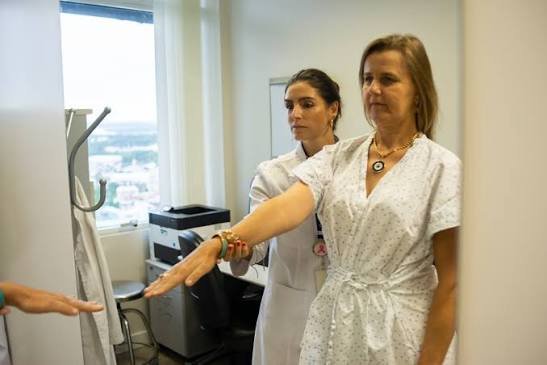


A primary healthcare clinic is a facility where individuals receive routine medical attention and general healthcare services. These facilities have teams of medical professionals who evaluate symptoms, conduct wellness exams, and maintain detailed health records. Establishing a primary medical provider offers you a dependable resource for immediate medical evaluations and long-term health planning. Primary care clinics serve as the first point of contact for general medical concerns, offering ongoing care for acute and chronic concerns. Here is information on primary healthcare providers and how they provide comprehensive care:
Providing Healthcare Access
A primary care physician (PCP) serves as your main doctor for general medical care, including annual health check-ups. They administer recommended immunizations and conduct screenings to monitor your overall physiological function to determine your health baseline. A PCP actively listens to your concerns, and they identify potential health risks early, enabling timely intervention. They evaluate lifestyle factors, prescribe necessary medications, and answer questions regarding preventive strategies.
Beyond routine examinations, a primary doctor serves as a trusted educational resource. They guide their patients through complex medical information, breaking down clinical terminology into understandable concepts. By maintaining a continuous, professional relationship with a primary care physician, you get consistent access to personalized medical expertise.
Managing Acute and Chronic Conditions
Healthcare needs generally fall into two distinct categories that require different medical approaches: acute and chronic. Acute illnesses require immediate evaluation, but chronic conditions demand consistent, ongoing management. When someone experiences sudden health disruptions, including seasonal infections, minor lacerations, or unexpected muscular pain, PCPs assess the symptoms and implement prompt treatment plans. For ongoing health matters, such as diabetes or cardiovascular disease, primary doctors establish long-term monitoring and management plans.
Coordinating Care With Specialists
Comprehensive care is a systematic, holistic approach that addresses your physical, mental, and developmental health needs. This care focuses on all aspects of your well-being, and primary care physicians actively facilitate this entire clinical process. PCPs conduct periodic diagnostic tests, adjust prescription dosages based on laboratory results, and help their patients maintain physical stability over time. This versatile skill set helps you receive appropriate clinical interventions, whether your symptoms appear suddenly or persist over time. Primary healthcare provides a personalized and proactive approach to your overall health.
When someone requires specialized care, their PCP identifies which medical specialist is appropriate. You may get a referral if you need:
- Advanced Diagnostic Imaging
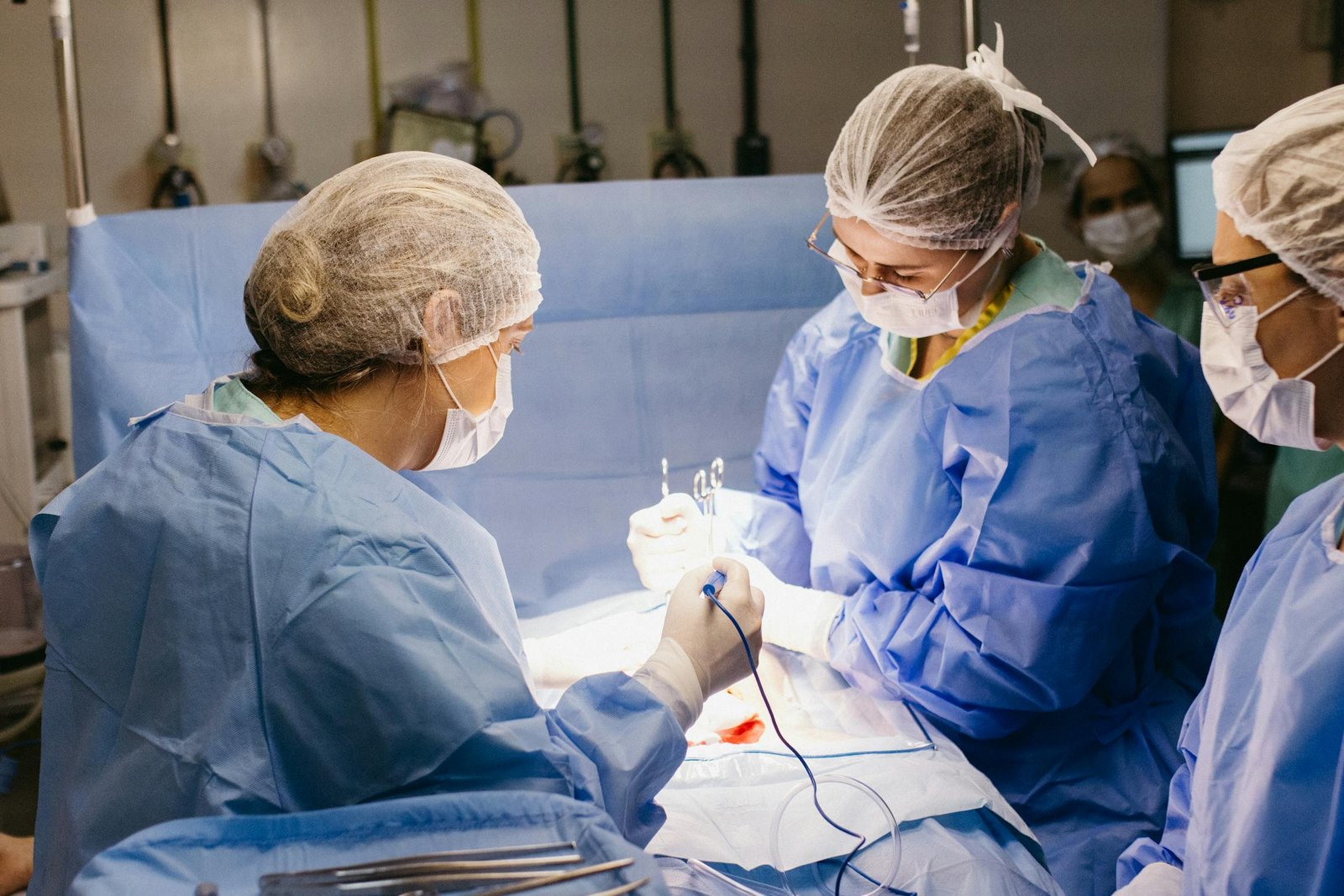
- Surgical Consultation
- Highly Specialized Treatment
A PCP will transfer relevant medical history and maintain ongoing communication with the referred specialist. This coordination prevents fragmented treatment plans and reduces the likelihood of redundant laboratory testing, enabling informed and timely care.
Visit a Primary Care Clinic Today
Establishing a relationship with a primary care provider creates a strong foundation for organized, effective health management. These professionals offer logistical guidance, coordinate complex medical services, and closely monitor changes in your physical health over time. Be proactive about your overall health, and contact a primary healthcare clinic today. Schedule an initial consultation with a primary care physician to begin building a structured, comprehensive approach to your medical needs.