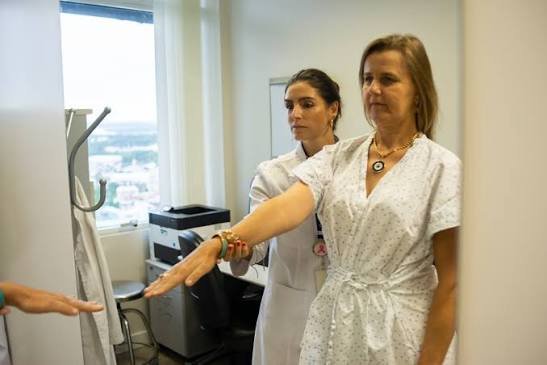
Allergists are trained medical doctors, and they specialize in diagnosing and treating specific immune system responses. They review your medical history thoroughly, and they identify the exact triggers causing your reactions. Because allergies affect numerous people daily, these specialists rely on proven diagnostic procedures. This is how allergists diagnose and treat allergic reactions:
Blood Tests
Blood draws measure specific antibodies, and they provide objective data about your biological immune response. When you encounter an environmental allergen, your body may produce immunoglobulin E to fight the invader. Medical professionals take a small sample from a vein in your arm. Providers recommend this testing option, and the lab checks the sample for these markers:
- Tree pollen
- Pet dander
- Mold spores
- Food proteins
Skin Pricks
While blood tests are useful, an allergist may perform skin prick tests during a standard visit. A specialist places tiny drops of potential allergens onto the surface of your forearm. They lightly puncture the outer skin layer, or they make a small scratch over each drop. If you are allergic to a substance, a small red bump will appear within fifteen minutes.
The medical team monitors the test area for any signs of a physical reaction. While you wait in the room, the doctor typically watches the size of the developing welts. Larger bumps typically indicate a stronger allergy, but small bumps might suggest a mild sensitivity. This direct method gives immediate feedback about your specific indoor and outdoor environmental triggers.
Patch Tests
Patch testing requires a longer timeframe, and it identifies delayed allergic reactions on your skin. The doctor tapes small patches containing various chemical compounds onto your upper back. Because these skin reactions take time to develop, you wear the patches for two full days. You return to the clinic later, and the physician evaluates the skin beneath each patch.
Asthma Tests
Since allergies trigger breathing issues, doctors evaluate your lung function very carefully. Asthma affects your sensitive airways, and it causes wheezing during severe allergic episodes. Before you start the breathing test, a trained technician might ask you to take a deep breath.
You exhale forcefully into a small tube attached to a sophisticated monitoring computer. The machine records the speed of your breath, and it graphs the volume of expelled air. If your internal airways are restricted, the resulting graph will show a lower exhalation rate. Quick testing takes only a few minutes, yet it yields highly accurate medical measurements.
Sometimes the initial results are completely normal, but you might still experience intermittent breathing difficulties. When standard spirometry yields normal results, the allergist might order a specialized methacholine challenge test. This clinical procedure determines the baseline reactivity of your sensitive bronchial tubes. After you inhale a nebulized mist, the doctor repeats the lung measurements to check for changes.
Visit an Allergist Today
Because untreated allergies disrupt daily routines, finding proper medical guidance remains a practical next step. A qualified local allergist provides targeted treatments for your specific biological reactions. You schedule an initial consultation, and the clinic staff prepares your personalized testing plan. Call a trusted local allergy clinic today to schedule your first diagnostic appointment.