Pediatric imaging involves specialized diagnostic procedures that medical professionals use to evaluate health conditions in children. Some individuals may have misconceptions about these scans, but accurate information helps clarify the process. Here is more information on common misconceptions about pediatric imaging and the various services and conditions associated with these diagnostics:
What Is Pediatric Imaging?
Pediatric imaging is a subspecialty of diagnostic radiology that focuses on medical imaging of infants, children, and adolescents. Radiologists use specific techniques to accommodate growing bodies. They also adjust the radiation doses, so the exposure remains as low as possible.
The equipment used in pediatric imaging may be identical to that used in adult imaging, but the settings are carefully adjusted. Technologists can expertly operate this machinery for younger patients. This specialized approach maximizes image quality, helping the diagnostic process.
What Are the Available Services?
Medical facilities offer multiple imaging modalities, with the specific service depending on the patient’s symptoms. X-rays use small amounts of radiation to capture images of bones, while ultrasound uses sound waves to view internal organs. Magnetic resonance imaging (MRI) relies on magnetic fields. Computed tomography (CT) scans provide detailed cross-sectional images of the body.
What Conditions Are Addressed?
Pediatric imaging helps diagnose a wide range of medical conditions, and doctors rely on these scans to formulate accurate treatment plans. Imaging detects structural abnormalities. It also identifies internal injuries, helping the medical team respond quickly to disruptive conditions.
Radiologists look for specific markers on the scans. The scans highlight both acute and chronic problems. Doctors evaluate the images for the following conditions:
- Gallstones, appendicitis, and tumors
- Infections and fractures
- Crohn’s disease, encephalitis, and multiple sclerosis (MS)
Early detection helps improve patient outcomes, and pediatric imaging facilitates prompt medical intervention. The detailed images guide surgical planning when necessary. The results also monitor the progress of ongoing treatments, so doctors can adjust therapies accordingly.
How Is Professional Guidance Beneficial?
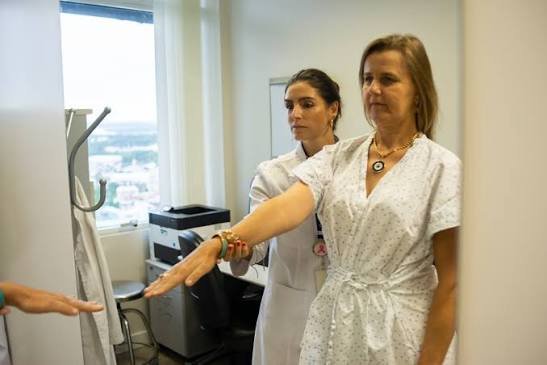
Radiologists possess specialized training in pediatric anatomy, and their expertise enables accurate image interpretation. They determine the most appropriate imaging method for each case, thereby preventing unnecessary radiation exposure. A specialist may explain the procedure to the patient, parent, and/or guardian. This professional guidance helps prepare the individual for the scan.
What Are Common Misconceptions?
Some people may believe all imaging tests expose children to high levels of radiation, but this is incorrect. Ultrasounds and MRIs use no radiation at all. For X-rays and CT scans, technicians use the lowest possible dose, so the risk remains minimal.
Another misconception is that children must always receive sedation for imaging, and this is also untrue. Some children complete scans while fully awake. Staff members may use certain techniques to facilitate a smooth imaging process.
Some parents may think pediatric imaging is identical to adult imaging, yet the protocols differ significantly. Pediatric specialists tailor the protocols to the child’s size and weight. The specialized approach prioritizes safety, generating the most accurate diagnostic information possible.
Learn More From a Specialist
Accurate diagnostic imaging requires specific equipment, and pediatric radiologists provide the expertise needed for these evaluations. Understanding the realities of these procedures helps clear up common misconceptions and helps patients prepare for their appointments. Contact a specialized radiology clinic to discuss your child’s specific needs.