

Stem cell therapy is a regenerative medicine approach with the potential to support tissue repair, restore function, and improve treatment possibilities for certain conditions. Understanding its potential may offer valuable insight into how regenerative medicine is evolving. Here is a closer look at stem cell treatment and its role in regenerative medicine:
Supporting Tissue Repair
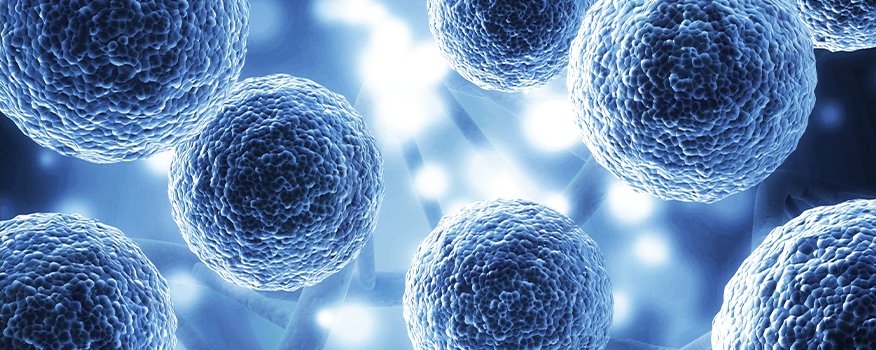
Stem cell therapy changes how the body handles injuries. Stem cells transform into different cell types, allowing them to replace dead cells with ease. They release growth factors, which tell the body to build new tissue. If a patient has a torn muscle, stem cells can reduce swelling and build new muscle fibers.
Regenerative medicine uses this process to speed up recovery. Blood flow delivers oxygen to the area, and stem cells use it to work more quickly. After the provider places the cells, the tissue rebuilding phase begins, and patients often notice improvements over several weeks.
Exploring Target Conditions
Some medical conditions affect the bones, and others damage the nerves. Providers test stem cells for various health issues due to their ability to repair multiple tissue types. Here are some of the conditions that may benefit from stem cell treatment:
- Joint pain in the knee, shoulder, and hip.
- Herniated discs and spinal issues.
- Tendon tears and ligament damage.
- Nerve damage and neuropathy.
Stem cell therapy offers a promising approach for addressing various degenerative and chronic conditions. This treatment has the potential to restore damaged tissues and reduce pain for patients by harnessing the body’s natural regenerative capabilities.
Delivering Stem Cell Therapy
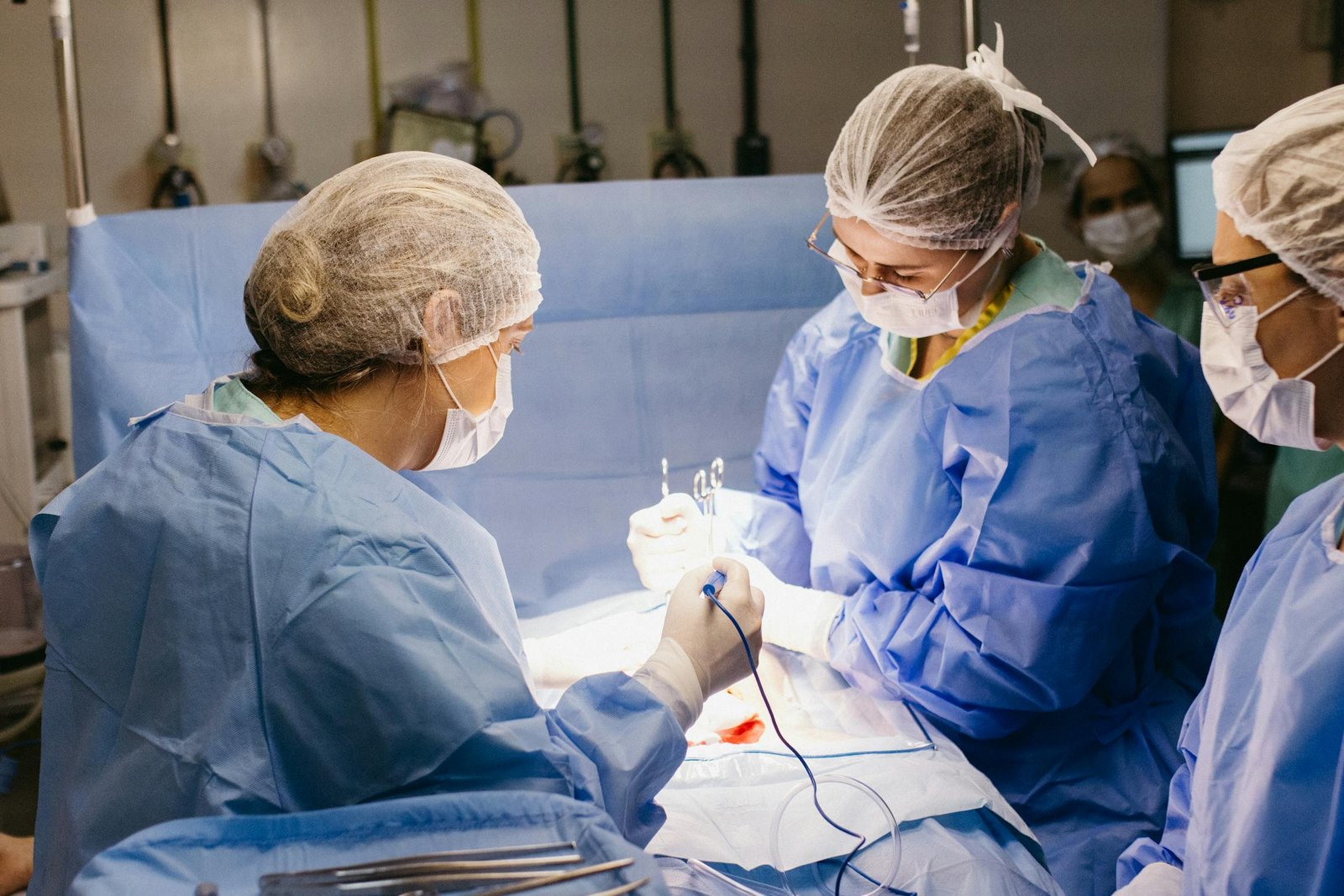
Before the treatment begins, the doctor reviews the patient’s medical history. Providers take cells from the patient’s body and prepare them in a machine. Once the cells are ready, the doctor uses an ultrasound machine to locate the exact site of injury, and they inject the cells directly into the tissue. Here are ways providers get stem cells from the body:
- Bone Marrow Aspiration Concentrate (BMAC) from the pelvis.
- Adipose-derived cells taken from fat tissue.
- Platelet-Rich Plasma (PRP) drawn from the blood.
- Exosome therapy to improve cellular signaling.
Image guidance plays a fundamental role in the delivery. Doctors see the needle moving in real time; they make sure the placement is precise to help the patient receive the best possible outcome.
Evaluating Treatment Factors
Patients must evaluate several factors before deciding on stem cell treatment. A medical evaluation determines eligibility, and if the damage is too severe, the provider may suggest a different approach. Recovery time varies for each person. Some people return to work quickly, and others need a few days of rest. Immediate pain relief does not always happen because the body needs time to rebuild tissue. Patients should follow all aftercare instructions carefully, and they should attend follow-up appointments so the doctor can monitor their progress.
Lifestyle habits can affect the success of the treatment. Good nutrition provides building blocks for new tissue, and physical therapy strengthens the supporting muscles. While the cells perform internal repair, the patient must maintain a healthy routine and avoid strenuous activities during the early healing phase.
Schedule Your Stem Cell Therapy Appointment
Stem cell treatment provides a helpful approach to physical recovery. The treatment uses your own cells, and it helps avoid major surgery. If you have chronic joint or back pain, contact a qualified healthcare provider near you to schedule your stem cell treatment appointment.