

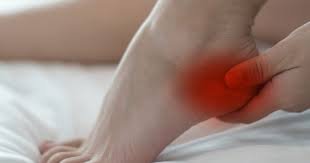
Plantar fasciitis causes severe heel pain. The ligament repeatedly strains, leading to small tears. Since these tears accumulate over time, walking becomes difficult. Foot pain is uncomfortable, and you need accurate information.
Causes of the Condition
Certain factors increase your risk, and age plays a significant role. If you notice heel pain, watch for early symptoms and protect your feet. Exercise habits impact foot health. Wearing shoes without proper arch support or shock absorption strains the plantar fascia. High-impact sports require you to monitor foot comfort and change footwear as needed. Attention to training surfaces and rest periods helps reduce stress. Poor foot mechanics may contribute to heel pain. Flat feet can alter weight distribution, and high arches add stress to the fascia. Atypical walking shifts weight unevenly and increases load on the plantar fascia, causing discomfort. Obesity puts stress on the feet. Excess pounds burden the ligament, and the fascia can weaken. Heavier loads compress the foot, the arch drops, and the tissue tears over time. Occupations impact foot health.
Symptoms of the Injury
Warning signs require prompt attention. Swelling and redness may occur on the heel. If pain persists after two weeks, seek evaluation. Some have pain on the first morning steps; others have an ache that intensifies with activity. Tenderness at the bottom of the heel after rest may also be present. Sudden severe pain may indicate a need for medical attention. Morning steps can be uncomfortable, and pressure also causes discomfort. When you apply weight, the foot may ache, and standing can become difficult. Some people improve with movement, but pain might return after sitting or standing for long periods.
If these symptoms persist, medical evaluation may be appropriate. Secondary conditions may resemble this pain. Arthritis can cause stiff joints, and nerve compression causes discomfort. Bursitis involves swelling near the heel, and stress fractures affect the bone. Gout can also cause discomfort in the toes. Understanding your symptoms helps provide the right diagnosis and care. Plantar warts and neuropathy of the heel have different management. To reach a proper diagnosis, doctors evaluate other possible causes.
Treatments for the Pain
Proper care supports tissue healing. Healthcare providers may recommend activity changes to allow the ligament to recover and suggest better footwear. Medical guidance supports recovery. Nonsteroidal anti-inflammatory drugs help with pain management, and they can reduce joint swelling. Resting the ligament helps, and proper footwear provides useful cushioning. Regular stretching improves flexibility and reduces tension. Therapy can address the root cause. Stretching lengthens the fascia, and ice reduces discomfort in the heel. If inflammation persists, orthotic inserts help align the foot, and the foot gradually improves. Taping or night splints are sometimes used to gently stretch the foot and support healing. Recovery requires consistent daily effort. Follow the plan for the best results. Until the ligament fully repairs, avoid running and wear supportive shoes. Consulting a physical therapist for exercises supports recovery, and self-care helps manage symptoms in the long term.
Take Action for Heel Pain
Because heel pain disrupts daily routines, act quickly. Address severe symptoms promptly; early care may prevent more severe injury. Consult a medical professional soon, and reclaim your daily mobility. Make an appointment today.