


Key Takeaways
- Routine dental checkups are vital to preventive health, which is why many insurance plans fully cover them.
- Dental insurers save costs in the long run by encouraging preventive care, benefiting patients and providers.
- Consistent dental visits are linked to improved oral and overall health outcomes for individuals and communities.
- Understanding what your insurance covers can help you maximize your preventive dental benefits.
Table of Contents
- The Value of Preventive Dental Care: A Closer Look
- How Dental Insurance Structures Coverage for Preventive Visits
- The Health Benefits of Consistent Dental Checkups
- Financial Incentives: Lowering Costs for Patients and Insurers
- What to Expect During a Fully Covered Routine Dental Visit
- The Role of Dental Coverage in Promoting Better Public Health
- Key Policies and Trends in Dental Coverage for Preventive Care
- How to Make the Most of Covered Dental Checkups
The Value of Preventive Dental Care: A Closer Look
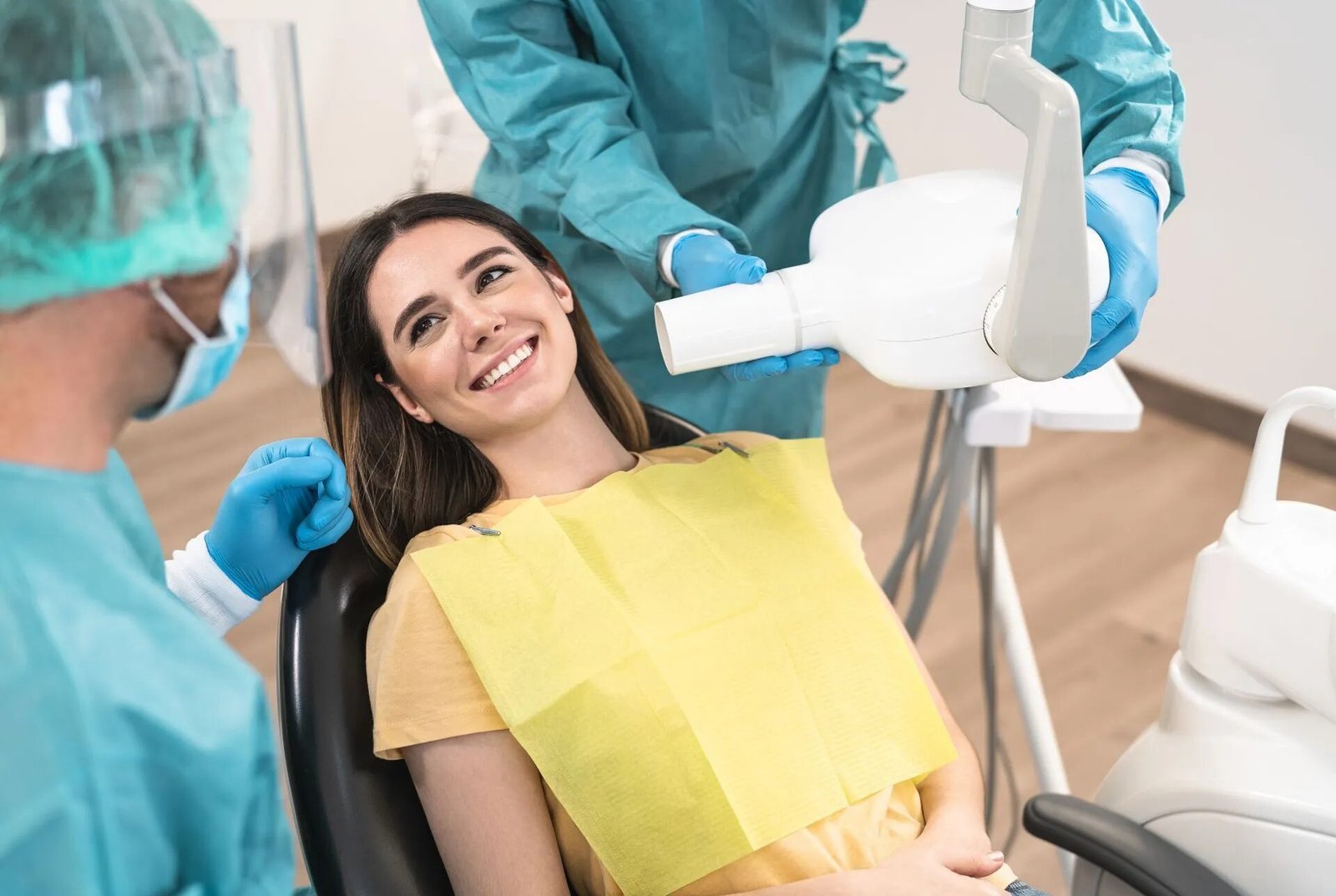
Preventive dental care forms the foundation of long-term oral health. Routine checkups typically encompass a professional dental cleaning, a thorough oral exam, and, depending on age and risk factors, diagnostic X-rays. These visits are designed not just for cleaning teeth, but for early identification of any developing dental issues before they become serious problems. For those seeking specific eligibility details, resources such as who qualifies for VA dental care provide additional guidance for veterans and their families.
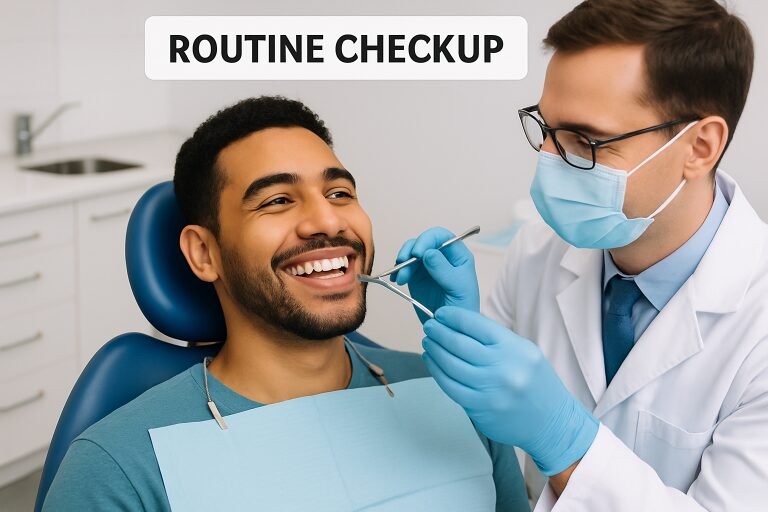
A routine dental visit often includes more than just a cleaning. Dentists and hygienists perform detailed assessments of gum health, screen for oral cancers, and discuss oral hygiene habits. By identifying problems in their earliest stages, these preventive steps minimize the necessity for extensive treatments later on.
Dental insurance policies typically classify coverage into preventive, basic, and major services. Routine checkups fall under preventive care and are often covered at 100%, meaning there’s no out-of-pocket cost for the patient. In contrast, basic (such as fillings) and major procedures (like crowns or root canals) generally require higher patient contributions.
Insurers are highly motivated to cover preventive services fully. Preventive care helps to mitigate risk and lower costs arising from untreated oral health conditions, which can progress to complex treatments if left unmanaged. Coverage for these routine services reflects an incentive to maintain long-term oral health and reduce heavy expenditures in the future.
Financial Incentives: Lowering Costs for Patients and Insurers
Regular checkups are financially beneficial for both patients and insurance companies. By encouraging and covering preventative care, insurers lower the chances that a minor issue will become a costly emergency. Patients, in turn, avoid expensive, painful, and time-consuming treatments such as root canals or tooth extractions that might arise from neglecting oral health.
Insurers benefit over the long term by managing risk and reducing payouts for major dental procedures. Patients with access to fully covered preventive services tend to have lower dental treatment costs over their lifetimes, illustrating why insurers are inclined to support these benefits.
What to Expect During a Fully Covered Routine Dental Visit
A standard routine dental checkup generally consists of several steps. Patients undergo an initial evaluation, which may include updating medical history and a physical examination of the mouth and neck. X-rays might be taken to detect underlying issues. Dental hygienists then thoroughly clean, removing plaque and tartar buildup to minimize the risk of cavities and gum disease.
The specific elements of your visit may vary based on age and health history. Children, for instance, might receive fluoride treatments and dental sealants, while adults may have periodontal assessments or oral health screenings tailored to their risk factors and age.
The Role of Dental Coverage in Promoting Better Public Health
Widespread dental coverage for routine checkups leads to increased utilization of dental services, which in turn improves public health. In populations with employer-sponsored dental insurance, a greater percentage reports visiting the dentist annually than their uninsured counterparts. According to the Centers for Disease Control and Prevention data, individuals with consistent preventive care experience better oral health outcomes and reduced disease rates.
Routine dental visits benefit individuals and alleviate the strain on public health resources. Preventive care reduces the incidence of advanced dental problems, resulting in fewer dental emergencies and associated healthcare costs.
Key Policies and Trends in Dental Coverage for Preventive Care
Public policy on dental benefits is evolving to emphasize prevention. Many state Medicaid programs and private dental plans now require full coverage for checkups and cleanings. Recent initiatives aim to expand preventive dental care access for vulnerable populations in the federal space. According to the American Dental Association: Medicaid Adult Dental Benefits Tracker, national dental organizations are advocating for broader preventive coverage, leading to increased awareness and incentive structures supporting routine visits.
Emerging trends in dental insurance include expanded eligibility, teledentistry for preventive consults, and broader coverage for diagnostic and preventive care innovations. Insurers are recognizing the long-term societal value of preventing dental issues before they start.
How to Make the Most of Covered Dental Checkups
To fully benefit from your dental coverage, schedule checkups approximately every six months or as your dental provider recommends. Prioritize these appointments as you would any other aspect of your health routine. When you visit, ask your dentist to clarify which preventive services are included at no cost under your specific plan, and whether additional tests or procedures are recommended based on your dental history.
Review your plan details or speak directly with your insurance provider to understand your benefits and limitations. Every plan is different, so confirming coverage ensures you make informed decisions about your oral health and avoid unexpected charges. Proactive care and insurance knowledge can ensure optimal long-term health for you and your family.
- Questions to Ask Before Joining a Clinical Study
- A Clear Guide to Choosing and Preparing for a Cancer Clinical Trial
- Choosing Adult Autism Residential Support: A Practical Guide to Daily Life, Safety, and Independence
- Clinical Trial Phases: What Each Stage Means for Participants and Patients
- Clinical Trials: Important Facts Before Patient Participation


