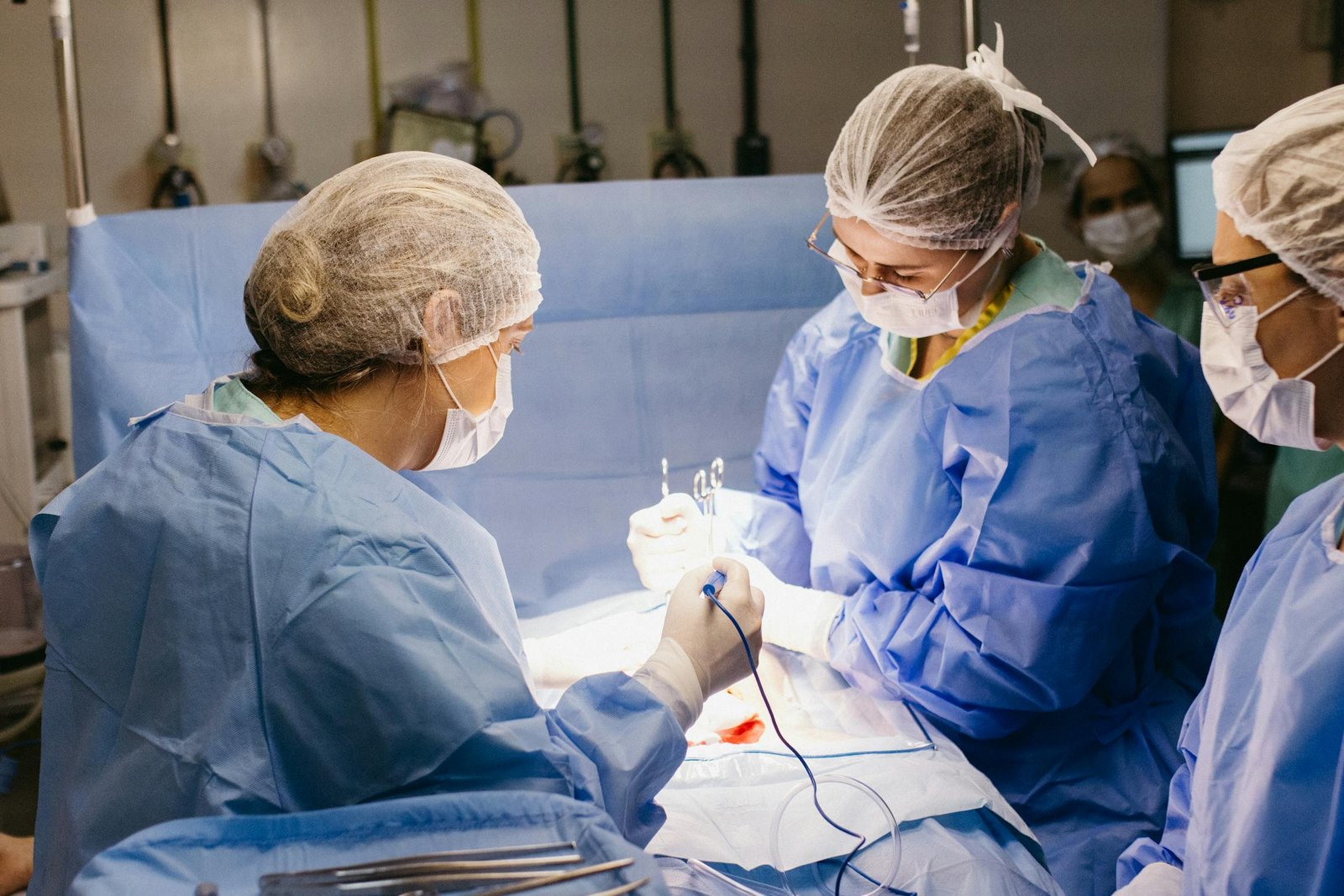


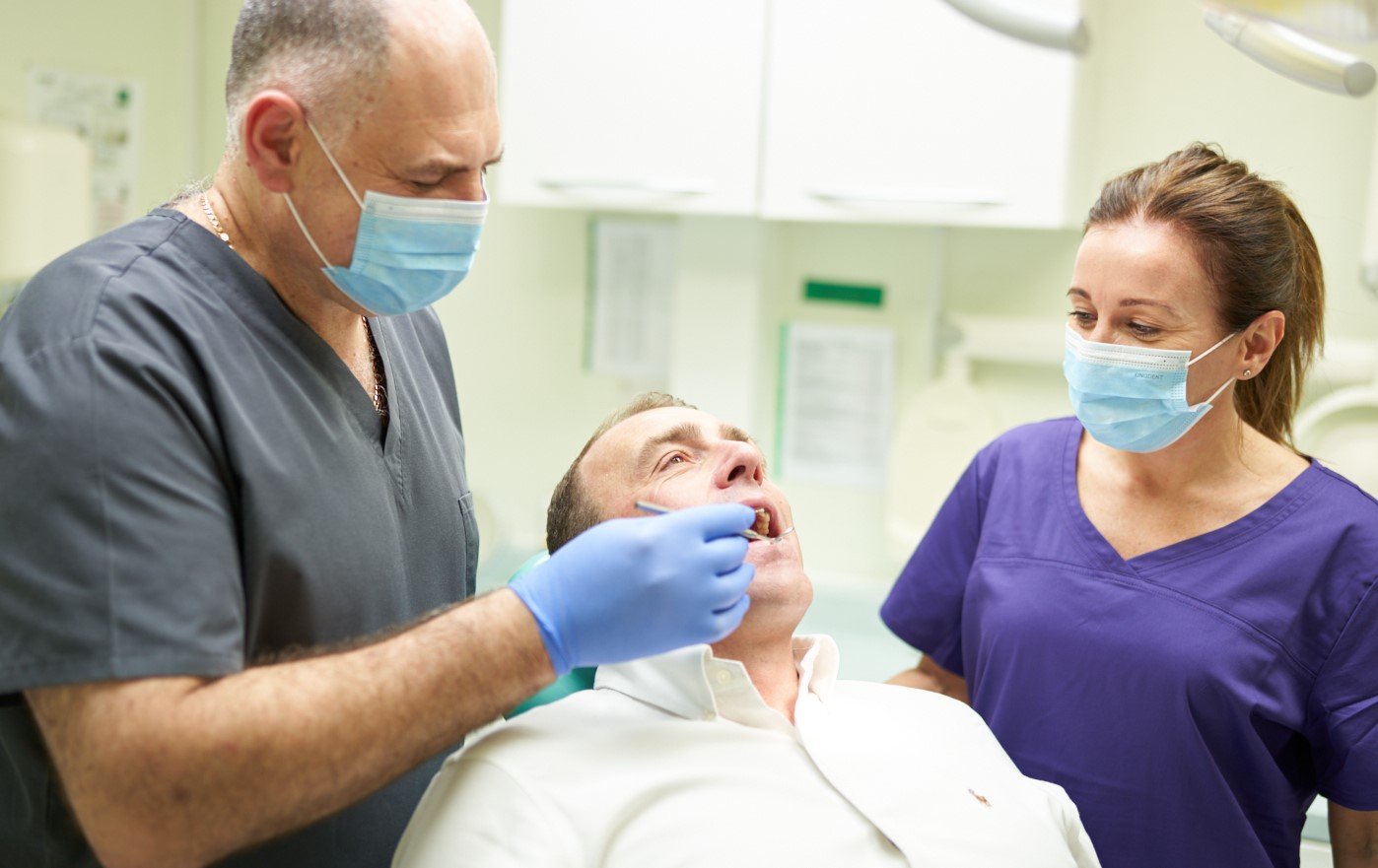
Oral surgery encompasses a range of procedures performed by general dentists or oral and maxillofacial surgeons for both routine and complex cases involving the mouth and jaw. These procedures help remove problematic teeth, correct damaged oral tissue, or preserve your natural teeth. Surgeries aim to restore functions such as chewing and speaking, and prevent further complications, including jawbone loss. Here is when an oral surgical procedure can benefit you:
Jaw Misalignment
Jaw misalignment often results from problems with the temporomandibular joints (TMJ). Some common issues include:
- Scar tissues in the joints
- Gradual shrinking of the jawbone at the TMJ
- Chronic spasms or imbalance of the masticatory muscles
- TMJ cartilage erosion by conditions like osteoarthritis
- Disc displacement
As the jaws become misaligned, it becomes more difficult to bite, chew, and speak normally. You may also experience persistent, throbbing jawbone pain, which can lead to headaches, as well as neck and back pain. Jaw surgery corrects this problem by repositioning the upper jaw, the lower jaw, or both. If you experience dental crowding or bite problems, an oral surgeon may cut or reshape your jawbone to correct misalignments like crossbites, overbites, and underbites. Undergoing this type of oral surgery also helps create a more balanced and harmonious facial profile.
Impacted Wisdom Teeth
Impacted wisdom teeth are third molars that grow at the back of the mouth and do not have enough space to emerge properly. They become stuck below the gum line or grow at an odd angle, causing swelling, tenderness, and pain in the jawbone and gums. Impacted wisdom teeth also push against the adjacent teeth, increasing the risk of cavities and teeth crowding or misalignment. Oral surgery extracts the partially erupted and easily accessible impacted wisdom teeth. If the teeth are fully impacted or are trapped in the jawbone, the surgical procedure often involves bone removal and tooth resection.
Dental Implants
Implants serve as artificial tooth roots, anchored into the jawbone to provide a long-lasting and stable foundation for replacement teeth. When dental implants are properly placed, they stimulate the jawbone, reducing the risk of possible jawbone resorption. This occurs when the jawbone shrinks due to volume and density loss, which is caused by the absence of stimulation from tooth roots.
Professionally conducted oral surgery places dental implants precisely to help restore normal oral functions. Oral surgical experts also perform additional procedures, such as bone grafting, to prevent potential complications. Bone grafting restores the volume of a jawbone that’s too thin or shallow for implants.
Oral Pathologies
Oral pathologies are infections, inflammations, lesions, tumors, and developmental abnormalities that impair the mouth, jaws, teeth, and related tissues. A dental surgery specialist examines changes such as discoloration, persistent sores, patches, and lumps in the soft tissues of your mouth. They use biopsies to help determine if the tissues contain cancerous cells. If the surgeons detect a problem, they’ll remove the lesions, tumors, cysts, or other abnormal changes that pose a risk.
Book Your Oral Surgery Appointment
Dental surgery restores normal oral functioning, prevents dental issues such as abscesses and jawbone loss, and corrects facial asymmetry. You may need a surgical procedure if you experience severe and persistent tooth pain or abnormal tissue changes in the mouth. Facial trauma due to a broken jawbone or displaced teeth also requires surgical intervention. Call a professional dentist today to start your oral health journey.