



Swift attention to sudden injuries or unexpected illnesses can reduce complications and ease discomfort. Identifying the appropriate setting for care relies on understanding the severity of symptoms and the available resources at each facility. Immediate care is recommended for health concerns that cannot wait for a primary care appointment. Recognizing common conditions that require timely attention empowers individuals to seek care at the right location, facilitating efficient recovery.
When Is Immediate Care Necessary?
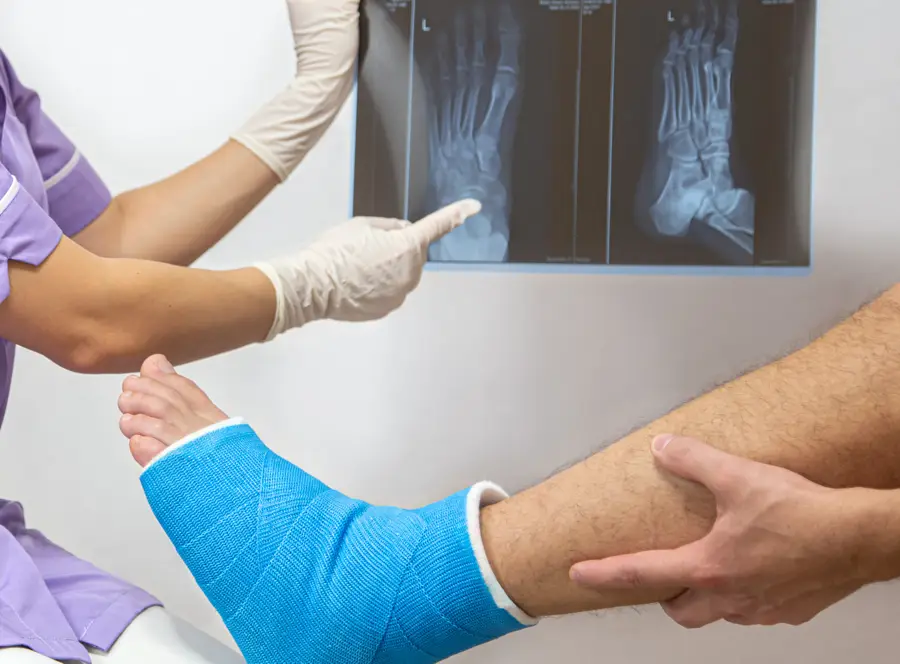
Medical professionals may classify immediate care as treatments required for conditions that need prompt attention. Patients should seek prompt medical evaluation for non-life-threatening conditions, such as shallow lacerations, mild to moderate asthma exacerbations, localized allergic reactions, and minor fractures or sprains. Other conditions falling into this category include persistent vomiting, unexplained high fevers, ear infections, minor animal bites, sports injuries, and severe sore throats.
Prompt evaluation by a qualified medical provider helps alleviate symptoms and prevents minor ailments from progressing into more severe complications. Medical providers at these facilities offer diagnostic services, prescribe appropriate medications, and stabilize patients efficiently. Seeking prompt attention for these ailments reduces the burden on local hospital systems, providing patients with faster relief from discomfort. The medical staff at these locations possesses the expertise to evaluate a patient’s status quickly and determine the next logical steps for recovery.
What Is Urgent Care?
Urgent care centers serve as a dedicated bridge between a primary care physician’s office and a hospital emergency department. These clinics may operate during extended hours, including weekends, and offer walk-in appointments for individuals experiencing sudden health issues. Staffed by physicians, these facilities possess the equipment necessary to handle moderate ailments effectively.
Services typically include diagnostic imaging. This can include X-rays and basic laboratory testing. By utilizing these outpatient centers, patients bypass the extended wait times frequently experienced at full-service hospitals. These facilities deliver high-quality, efficient medical services for non-life-threatening ailments and allow primary providers to focus on routine health management and chronic disease prevention.
When Is Emergency Care Necessary?
Emergency departments possess the advanced technology and dedicated medical staff required to treat life-threatening conditions. Individuals experiencing symptoms of a stroke require immediate transport to an emergency room. Suspected heart attacks, indicated by severe chest pain radiating to the arm or jaw, demand immediate emergency intervention.
Other severe situations include uncontrolled bleeding, severe head trauma resulting in a loss of consciousness, and instances of severe poisoning. In these situations, calling emergency services for an ambulance remains the safest method of transport. Paramedics begin life-saving treatments en route and may communicate directly with the receiving physicians to expedite the hospital admission process upon arrival.
Seek Local Urgent Care
Patients can typically walk in or schedule same-day appointments for a broad spectrum of concerns. This reduces delays often associated with traditional primary care or emergency department visits. Many urgent care centers have capabilities not limited to basic examinations and may facilitate comprehensive assessment and treatment in one setting. Costs are typically lower compared to hospital emergency care. This approach helps manage healthcare expenses while facilitating access to timely care for families and individuals, contributing to safer and more convenient recovery pathways for non-emergency health issues.
- How to Alleviate Pain and Stiffness Associated With Knee Arthritis
- Understanding the Benefits of Foot and Ankle Surgery for Chronic Pain Relief
- How Lifestyle Changes Can Enhance Sciatica Pain Relief
- What to Expect Before and After Your First Botox Treatment
- Understanding Plantar Fasciitis and Its Impact on Heel Pain


Leave a Reply