



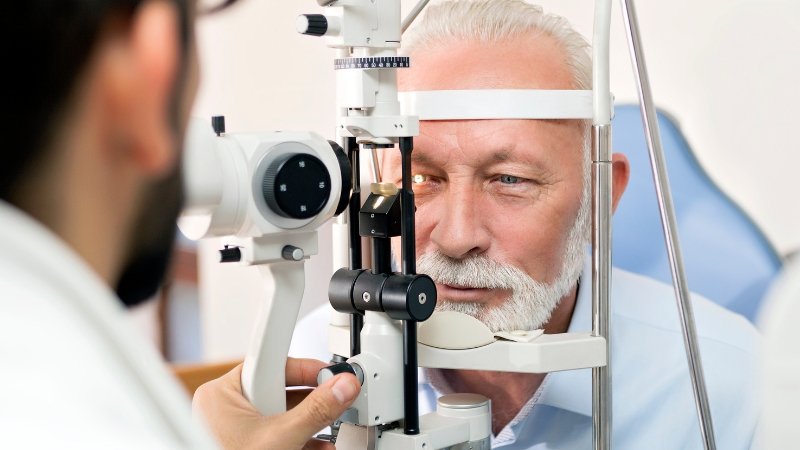
Eyeglasses are wearable devices that correct vision. They change how light enters the eye, and this adjustment compensates for refractive errors. When light passes through the cornea and lens, it bends to reach the retina at the correct distance, so images appear clear. Refractive errors prevent the eyes from bending light properly, making objects look blurry, and eyeglasses provide the additional correction needed. An eye doctor performs a professional exam and provides a prescription that matches each patient’s exact vision requirements.
Understanding Vision Correction
Eyeglasses treat four main types of refractive errors. Nearsightedness causes close objects to appear clear, while distant objects look blurry, and farsightedness produces the opposite effect. Astigmatism blurs vision at all distances and can create starburst patterns around lights, and presbyopia develops naturally with age, making it harder for the eyes to focus on near objects. An eye doctor evaluates vision and eye health during a comprehensive exam, and the results determine how far each patient is from 20/20 vision. Modern ophthalmic lenses correct these specific refractive errors and address vision issues such as difficulty seeing at night or eye strain from prolonged computer use.
Exploring Lens Options
Prescription lenses come in several varieties depending on the vision correction required. Single-vision lenses provide a uniform prescription across the entire lens; multifocal lenses combine multiple prescriptions in one lens to address different focal distances. Bifocal lenses contain two distinct prescriptions separated by a visible line; trifocals include three prescriptions with lines between each segment. Progressive lenses change the prescription gradually from top to bottom without visible lines, allowing continuous correction for near, intermediate, and distance vision.
Certain lenses serve specialized purposes. Prism lenses adjust the path of light entering the eye to correct double vision caused by misaligned eyes, and photochromic lenses darken automatically when exposed to ultraviolet light. Wearers can add blue-light–blocking coatings to many types of prescription lenses; some lenses include designs specifically for sports or other activities where additional eye protection is necessary. Lens materials, coatings, and specialized designs work together to meet different visual and protective needs while maintaining clear vision.
Selecting Eyeglasses
Eyeglasses correct refractive errors but do not cure them. Purchasing glasses requires a current prescription and an accurate pupillary distance measurement, and online vision tests cannot replace an in-person eye exam. Wearing a new prescription may require a few days of adjustment, and changes in prism or lens strength can take longer to feel comfortable. Proper frame fit is important for comfort and function. Bringing personal frames to an eyeglass provider allows for customization, and professional services ensure lenses are fitted safely and accurately.
Care and maintenance protect glasses and preserve lens coatings. Storing glasses in a hard-shell case prevents drops and scratches; cleaning lenses with mild dish soap, water, and a microfiber towel avoids damage. Using paper products or clothing fibers can scratch coatings; repeated abrasion may reduce the effectiveness of protective treatments on the lenses.
Find an Optometrist
Over-the-counter reading glasses provide a convenient option for temporary use, but they do not replace a professional eye exam. These glasses give the same magnification to both eyes; many individuals require different corrections in each eye. While store-bought lenses can improve general vision, they do not offer the precision of prescription lenses. Relying solely on them may leave underlying vision issues undetected. A comprehensive eye exam evaluates overall eye health, identifies conditions that over-the-counter glasses cannot address, and provides prescriptions that ensure each eye receives the correct correction. Prescription lenses also allow for specialized options, including bifocals or progressive designs, which support long-term vision needs and accurate correction. Find an optometrist in your area to learn more.

Leave a Reply