


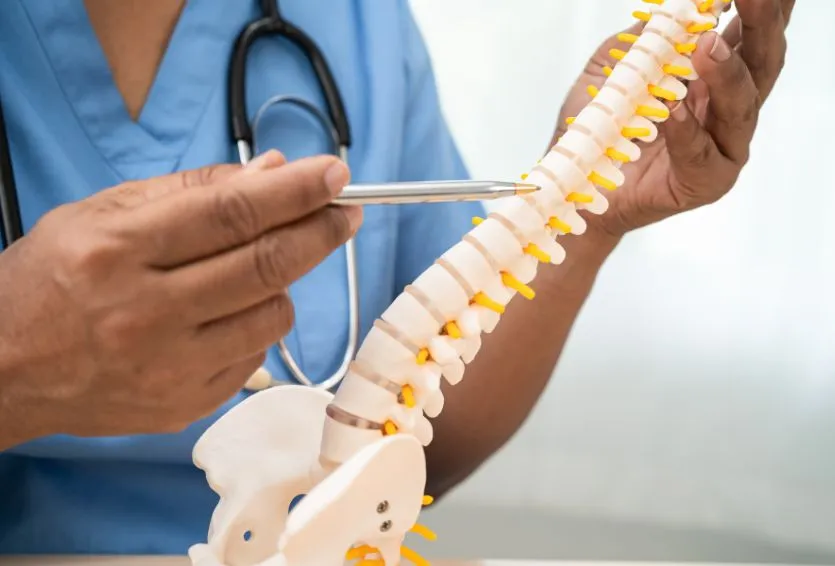
Robotic spine surgery is a modern medical procedure that uses advanced technology to assist surgeons during operations. The technology combines imaging software with a robotic arm, and this integration guides the surgeon’s instruments directly to the target area. Here is more information on this surgery, how it works, what it treats, what the process involves, and its benefits:
What Is Robotic Spine Surgery?
Robotic spine surgery is a minimally invasive surgical approach that integrates computer-assisted navigation with robotic hardware. A surgeon remains in control of the operation at all times. The robotic system serves as an advanced tool for mapping the patient’s anatomy. A surgeon uses the robot to position surgical instruments, and the system executes the preoperative plan based on the digital imaging.
How Does It Work?
The process begins with advanced imaging of the patient’s spine, and the medical team uses these images to create a customized surgical plan. The software may construct a model of the spinal column from the scans. A surgeon reviews this model and maps out the exact trajectory for screws or other supportive hardware. During the operation, the robotic arm moves to the planned coordinates to guide the surgeon’s hands.
The robotic system tracks the patient’s movements. It may adjust the trajectory if the patient shifts. This tracking system provides continuous feedback to the operating team, with the surgeon monitoring the instrument’s location on a display screen. This continuous monitoring guides the hardware placement, and the system updates the anatomical display throughout the procedure.
What Does It Treat?
Surgeons use robotic techniques to treat a variety of spinal conditions, and the technology is particularly useful for procedures that require hardware placement. Medical professionals apply this method to spinal fusion surgeries. The system helps correct spinal deformities such as scoliosis and assists in stabilizing fractures within individual vertebrae.
The technology addresses degenerative disc disease and helps relieve nerve compression caused by spondylolisthesis. Patients with spinal tumors may undergo robot-assisted procedures as well. Precise navigation allows surgeons to target specific areas of the spine while avoiding healthy surrounding tissues. This targeted approach is beneficial for complex spinal revisions, and it provides detailed anatomical mapping for the medical team.
What Does the Process Involve?
The preoperative phase involves obtaining a computed tomography (CT) scan of the spine, which the surgeon uses to plan the procedure. On the day of the operation, the patient and robotics are prepared for surgery. The robotic arm moves into the programmed position, and the surgeon executes the planned hardware insertion. After all the hardware is placed, the surgeon removes all surgical instruments and closes the incisions.
What Are the Benefits?
Robotic spine surgery offers several clinical advantages for patients, and these benefits stem from the high level of surgical accuracy. The use of a robotic guide reduces the size of the required incisions. Smaller incisions may lead to less muscle damage and reduced bleeding during the operation.
The enhanced accuracy helps minimize the need for follow-up surgeries, and patients may return to their normal activities sooner. The clinical benefits may include the following:
- Shorter hospital stays following the procedure
- Reduced postoperative pain levels
- Lower radiation exposure for both the patient and the surgical team
Medical facilities continue to adopt this technology, as it provides a reliable option for complex spinal conditions
Know What To Expect
Robotic spine surgery represents a structured approach to spinal treatment, and the integration of imaging and robotics offers high precision. Patients can review these steps with their healthcare providers to prepare for their upcoming operations. Contact your spine specialist today to schedule a consultation.



Leave a Reply