
Address

16 Amar Rd, Walnut, California. USA

Call Us

904-655-0755

A tummy tuck is a cosmetic procedure that removes excess skin, tightens abdominal muscles, and creates a smooth midsection. While the procedure can improve body contour, the recovery process plays a major role in the final outcome. Here's more information on what to expect after a tummy tuck: Navigate Early Recovery The first few days after a tummy tuck require significant rest. Patients generally experience swelling, and they wear a compression garment to support the abdomen. Although rest is fundamental, light walking can prevent blood clots. You will manage physical discomfort with prescribed medication, and you must make sure that you follow the surgeon's exact dosage instructions. Proper hydration supports the body during this initial phase; you will consume light meals so your digestive system can slowly adjust. If you feel tired, you should rest in an inclined position. Maintaining a bent position reduces tension on the incision, and you should contemplate using extra pillows to stay comfortable in bed. Track Healing Changes Your body goes through specific physical stages during the tummy tuck recovery timeline. Swelling gradually subsides, and the incision lines begin to mature. Here are some of the changes you should expect: Fluid drainage decreases steadily over the first week of recovery. Bruising fades across the abdominal region over several days. Sensation slowly returns to the skin surface after the swelling drops. Scar tissue flattens and lightens over several months of healing. These standard changes signify normal progress after your procedure. The compression garment minimizes fluid buildup, and it protects the new abdominal contours. While your body heals, you must avoid strenuous movements. Manage Activity and Follow-Up Medical professionals provide precise timelines for resuming daily activities. You will attend routine follow-up appointments, and the surgeon will assess your physical progress. When you return to work, you should avoid heavy lifting. Support from family members is key, and you should contemplate arranging assistance for household tasks until you regain your full strength. Although light exercise is helpful, rigorous workouts remain restricted. Your doctor will eventually clear you for intense activities, and you must follow their timeline exactly to avoid injury. Recognize Warning Signs Certain physical symptoms require immediate evaluation. Normal healing involves mild discomfort, but severe pain often indicates a potential issue. Here are key warning signs to watch out for: A sudden and severe increase in abdominal swelling or firmness. Persistent or heavy bleeding from the surgical incision site. High body temperature or localized heat around the abdomen. Severe pain that standard prescription medication fails to manage. Timely medical intervention can resolve these issues effectively. You should monitor your temperature daily, and you must inspect the incision site. The medical teams will answer your post-operative questions, and you should contact the clinic immediately if you suspect an infection. Book Your Tummy Tuck Appointment Proper post-operative care is fundamental for promoting optimal recovery and preventing complications after your tummy tuck. Monitoring your temperature, inspecting the incision site, and recognizing the difference between normal and concerning symptoms are key components of this process. Contact a certified plastic surgeon near you to book your tummy tuck appointment today.


What to Expect After a Tummy Tuck

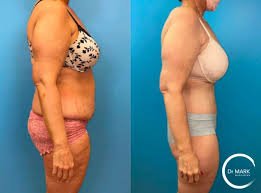
A tummy tuck is a cosmetic procedure that removes excess skin, tightens abdominal muscles, and creates a smooth midsection. While the procedure can improve body contour, the recovery process plays a major role in the final outcome. Here’s more information on what to expect after a tummy tuck:

Navigate Early Recovery

The first few days after a tummy tuck require significant rest. Patients generally experience swelling, and they wear a compression garment to support the abdomen. Although rest is fundamental, light walking can prevent blood clots. You will manage physical discomfort with prescribed medication, and you must make sure that you follow the surgeon’s exact dosage instructions.

Proper hydration supports the body during this initial phase; you will consume light meals so your digestive system can slowly adjust. If you feel tired, you should rest in an inclined position. Maintaining a bent position reduces tension on the incision, and you should contemplate using extra pillows to stay comfortable in bed.

Track Healing Changes

Your body goes through specific physical stages during the tummy tuck recovery timeline. Swelling gradually subsides, and the incision lines begin to mature. Here are some of the changes you should expect:

  • Fluid drainage decreases steadily over the first week of recovery.
  • Bruising fades across the abdominal region over several days.
  • Sensation slowly returns to the skin surface after the swelling drops.
  • Scar tissue flattens and lightens over several months of healing.

These standard changes signify normal progress after your procedure. The compression garment minimizes fluid buildup, and it protects the new abdominal contours. While your body heals, you must avoid strenuous movements.

Manage Activity and Follow-Up

Medical professionals provide precise timelines for resuming daily activities. You will attend routine follow-up appointments, and the surgeon will assess your physical progress. When you return to work, you should avoid heavy lifting. Support from family members is key, and you should contemplate arranging assistance for household tasks until you regain your full strength. Although light exercise is helpful, rigorous workouts remain restricted. Your doctor will eventually clear you for intense activities, and you must follow their timeline exactly to avoid injury.

Recognize Warning Signs

Certain physical symptoms require immediate evaluation. Normal healing involves mild discomfort, but severe pain often indicates a potential issue. Here are key warning signs to watch out for:

  • A sudden and severe increase in abdominal swelling or firmness.
  • Persistent or heavy bleeding from the surgical incision site.
  • High body temperature or localized heat around the abdomen.
  • Severe pain that standard prescription medication fails to manage.

Timely medical intervention can resolve these issues effectively. You should monitor your temperature daily, and you must inspect the incision site. The medical teams will answer your post-operative questions, and you should contact the clinic immediately if you suspect an infection.

Book Your Tummy Tuck Appointment

Proper post-operative care is fundamental for promoting optimal recovery and preventing complications after your tummy tuck. Monitoring your temperature, inspecting the incision site, and recognizing the difference between normal and concerning symptoms are key components of this process. Contact a certified plastic surgeon near you to book your tummy tuck appointment today.

Leave a Reply

Your email address will not be published. Required fields are marked *

Search

Popular Posts

  • Exploring Common Gynecological Procedures
    Exploring Common Gynecological Procedures

    A gynecologist is a medical doctor who specializes in the female reproductive system, providing care for women and people assigned female at birth. Gynecology services are beneficial at various stages of life, from the onset of puberty through menopause. Gynecologists offer guidance, preventive care, and management for a variety of conditions. Understanding the most frequent…

  • What To Expect After A Tooth Extraction
    What To Expect After A Tooth Extraction

    Tooth extractions are a common dental procedure performed to address severe decay or infection, and to preserve overall oral health. While the procedure itself is typically straightforward, understanding what follows is necessary for a smooth and successful recovery. Patients who are well-informed about post-procedure expectations are better equipped to manage discomfort, minimize complications, and support…

  • Understanding the Different Types of Bunion Surgery
    Understanding the Different Types of Bunion Surgery

    A bunion is a bony bump that forms on the joint at the base of the big toe. It occurs when some of the bones in the front of the foot are out of place, and it may require medical evaluation and surgery. Understanding the specific details of bunion surgery helps patients make informed medical…

Categories