

Full-mouth rehabilitation is a complex process often undertaken to restore oral function, improve esthetics, and enhance the quality of life for patients with significant dental issues. Implant specialists are at the forefront of these treatments and are pivotal in planning and executing restorative procedures. Here is some information about how specialists contribute to full-mouth rehabilitation, the advantages of these interventions, and what dentists need to know when working alongside these specialists.
What is Full-Mouth Rehabilitation?
Full-mouth rehabilitation involves restoring or replacing teeth across the upper and lower jaws. It is recommended for patients with severe tooth loss, advanced dental wear, or complex bite problems. The procedure combines restorative and cosmetic dentistry to offer patients a comprehensive solution that addresses structural, functional, and aesthetic concerns. Given the expertise required, an implant specialist is often a key collaborator in developing and carrying out these treatment plans. Their knowledge of dental implants, bone structure, and advanced surgical techniques is integral in successful outcomes.
What are Implant Specialists?
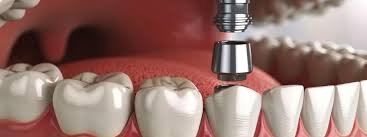
Implant specialists work with dentists on full-mouth rehabilitation to achieve successful outcomes. Their work starts with a detailed evaluation of a patient’s oral health, assessing bone density, jaw structure, and suitability for dental implants. Advanced tools provide a clear understanding of bone quality, soft tissue condition, and potential challenges, allowing precise planning and placement of implants. Guided implant surgery and custom surgical guides improve accuracy, simplify procedures, and promote faster recovery.
Collaboration is key when designing prosthetics for full-mouth rehabilitation. Implant specialists provide restorative dentists with valuable insights about implant positioning, angulation, and bone health to confirm the final results are functional and visually appealing. They also manage complex cases involving severe bone loss, periodontal disease, or failed dental treatments.
What are the Benefits of Full-Mouth Rehabilitation?
Full-mouth rehabilitation with dental implants offers advantages over traditional solutions like dentures or partial restorations. Here are some key benefits:
- Immediate functionality: Techniques like All-on-4 allow patients to immediately leave the clinic with a fully functional set of teeth.
- Enhanced chewing and biting: Dental implants mimic natural tooth roots, providing food stability and comfort.
- More comfortable than dentures: Implants eliminate common denture issues such as slipping, clicking, or irritation.
- Preserve facial structure: By preventing bone loss caused by missing teeth, implants help maintain facial contours and avoid a sunken appearance.
- Long-lasting solution: With proper care, dental implants can last a lifetime, minimizing the need for repeated treatments.
These benefits make dental implants a reliable, durable, and natural-feeling option for full-mouth restoration. They help restore both function and appearance. With proper care, dental implants can last a lifetime, making them a worthwhile investment in oral health.
What do Dentists Need to Know When Referring Patients?
Collaboration with implant specialists is key for creating cohesive treatment plans tailored to each patient’s needs. Dentists play a key role in maintaining seamless communication throughout the rehabilitation process. Detailed referrals, including medical history, imaging, and impressions, help implant specialists with their evaluations. Open communication is helpful to align treatment goals, timelines, desired outcomes, and patient expectations for function and appearance. Educating patients about the process, benefits, and aftercare for dental implants help them feel supported and confident throughout the procedure.
Improving Your Oral Health With Implants
Full-mouth rehabilitation is a transformative solution for patients, and implant specialists are key to delivering successful results. Their expertise encourages comprehensive care. By working closely with these specialists, dentists can achieve improved oral health outcomes for their patients while restoring confidence and quality of life.