


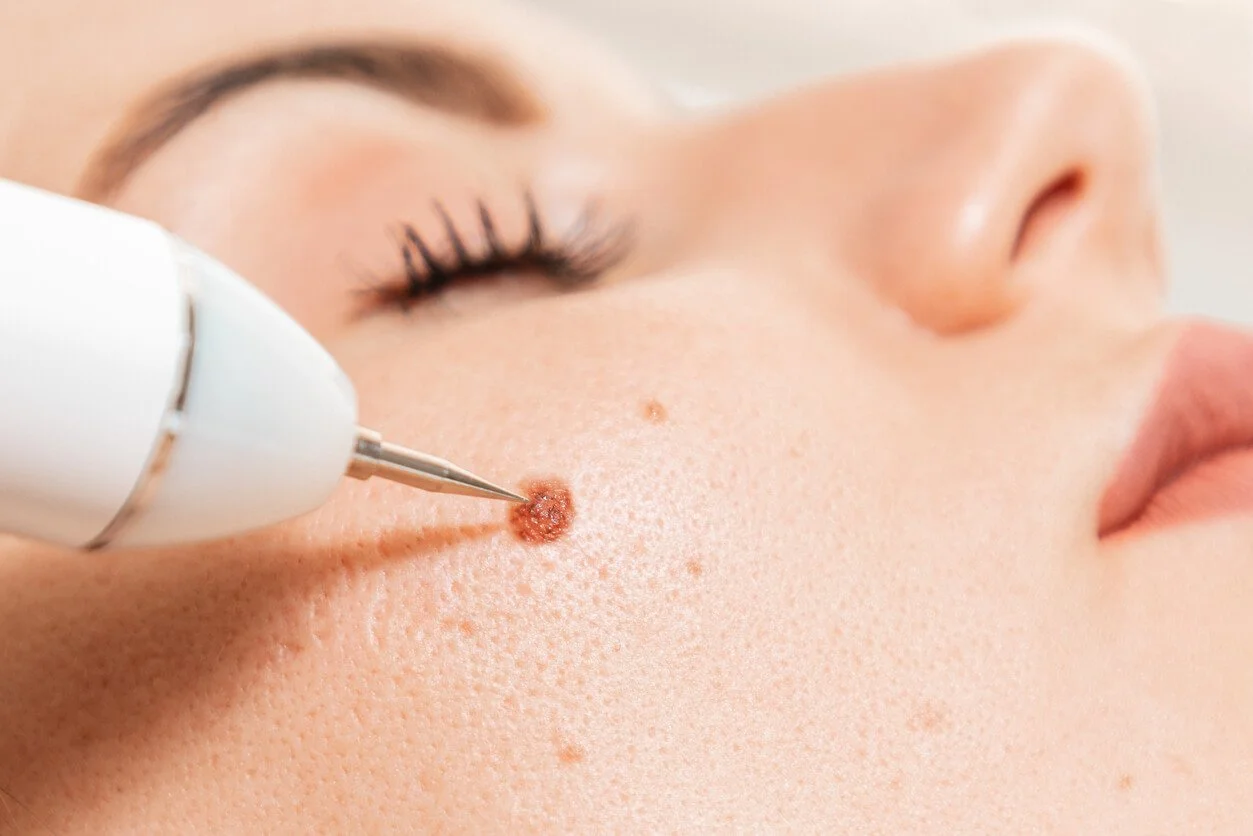
There are multiple treatment options for skin cancer, including Mohs surgery. This specialized surgical technique effectively removes skin cancer, and it minimizes damage to surrounding healthy tissue. Understanding the procedure helps patients prepare for their treatment. Here is more information on this surgery, how it works, why it is conducted, what the process involves, and its benefits:
What Is Mohs Surgery?
Mohs surgery is a precise surgical technique used to treat skin cancer. The procedure involves removing thin layers of cancer-containing skin, and the surgeon examines each layer under a microscope. This methodical approach continues until only cancer-free tissue remains. Doctors may use this method for basal cell carcinoma and squamous cell carcinoma.
How Does It Work?
The surgeon acts as both the one removing the tissue and the pathologist analyzing it. They excise the visible tumor along with a small margin of surrounding skin, and they map the exact location of the removed tissue. The tissue undergoes immediate microscopic examination in an on-site laboratory. If cancer cells remain visible in the margins, the surgeon knows exactly where to remove more tissue.
The mapping process guides the surgeon back to the tumor site. They avoid guessing how far the cancer has spread, enabling the removal of only the affected areas. This precision protects the skin’s structural integrity, and the immediate feedback loop separates this technique from standard excision methods.
Why Is It Conducted?
Medical professionals may recommend this procedure for skin cancers with a high risk of recurrence. It is highly effective for cancers located in areas where preserving healthy tissue is necessary for functional or cosmetic reasons. These areas include the face, hands, feet, and genitals, and surgeons rely on this method to minimize scarring. The technique provides thorough removal of aggressive or large skin cancers.
What Does the Process Involve?
Patients typically undergo this surgery in the office. The surgeon cleans the area, and they inject a numbing agent to prevent discomfort. After removing the first layer of tissue, the surgeon applies a temporary bandage. The patient waits while the laboratory processes and examines the tissue slides.
If the analysis reveals residual cancer cells, another layer of tissue is removed. The surgeon targets only the specific area with lingering cancer cells, so the surrounding healthy skin remains intact. This cycle repeats until the microscopic margins show no signs of cancer. Patients receive aftercare instructions before they leave the clinic.
What Are the Benefits?
Mohs surgery offers an accurate method for removing skin cancer. It provides a high cure rate for basal cell and squamous cell carcinomas, and it leaves the smallest possible defect. This targeted approach preserves as much healthy skin as possible. Patients may experience fewer complications and achieve better cosmetic outcomes.
The procedure also eliminates the need for multiple surgeries on different days. The surgeon verifies the complete removal of cancer cells during a single appointment. On-site margin analysis prevents waiting days for pathology results, and this quick confirmation makes the treatment process highly efficient for skin cancer patients.
Learn More From a Dermatologist
Mohs surgery represents a highly effective treatment option for specific types of skin cancer. The technique maximizes preservation of healthy tissue, and it offers high cure rates for patients. Individuals facing a skin cancer diagnosis should discuss all available treatment methods with a medical professional. Schedule a consultation with a dermatologist today to determine whether this procedure suits your medical needs.
Leave a Reply