


Neck pain affects many individuals, necessitating a clinical evaluation. Discomfort in the cervical spine can radiate to the shoulders. Addressing these physical symptoms early helps prevent further complications. Here is more information on neck pain, its causes, its connection to posture, and the available treatment options:
What Is Neck Pain?
Neck pain involves discomfort in the cervical spine that can originate from muscles, nerves, or bones. The symptoms range from a dull ache to a sharp, stabbing sensation. A patient may notice a reduced range of motion, and headaches often accompany the physical stiffness.
Acute neck pain lasts for a few days, but chronic neck pain persists for months. Medical professionals rely on physical examinations to evaluate the specific characteristics of the discomfort. They may order imaging tests to view the internal structures, which guide the subsequent treatment plan.
What Causes It?
Muscle strains frequently lead to cervical discomfort, and they may occur from prolonged computer use or reading in bed. Worn joints also contribute to the problem. Osteoarthritis causes the cartilage between the vertebrae to deteriorate over time. Nerve compression is another common cause.
Certain diseases can cause neck pain, and meningitis and rheumatoid arthritis are common examples. The structural alignment of the spine dictates overall function. Any disruption can trigger pain signals. Doctors evaluate a patient’s medical history to pinpoint the exact cause.
How Is Posture Connected?
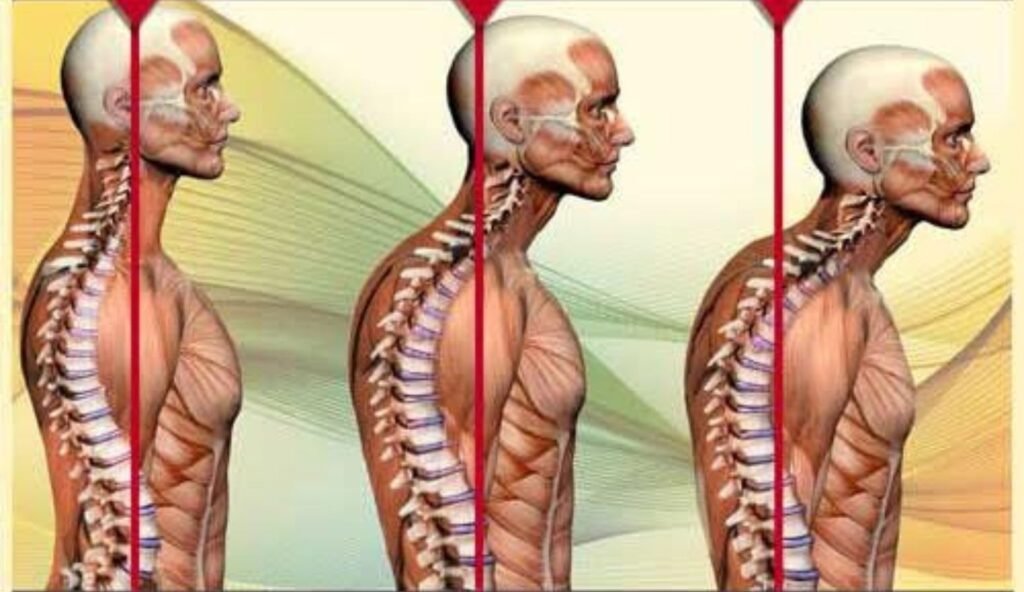
Posture directly influences the load placed on the cervical spine. Poor alignment increases the strain on the neck muscles. When a patient leans their head forward, the effective weight of the head increases, and the muscles work harder to support this unnatural position. Poor posture alters the natural curve of the spine over time.
Slouching at a desk is a common postural issue, and looking down at a mobile device creates a similar strain. This forward head posture stretches the ligaments. The anterior neck muscles become weak. Correcting the alignment helps reduce the mechanical stress on the cervical region, relieving pain.
What Are the Treatment Options?
Medical treatments focus on reducing inflammation and restoring normal cervical function. A doctor will suggest interventions based on the severity of the symptoms. Conservative methods are usually used first in the clinical process. The available treatment options include:
- Physical therapy
- Spinal injections
- Radiofrequency ablation
- Nerve block injections
- Cervical disc replacement
- Cervical fusion reconstruction
Physical therapy strengthens the neck muscles, and it improves flexibility through targeted exercises. Spinal injections deliver medication directly to the affected area. Radiofrequency ablation uses heat to disrupt pain signals. Severe cases may require cervical disc replacement or cervical fusion reconstruction to stabilize the spine.
How Is Professional Care Beneficial?
A medical professional diagnoses the underlying condition, helping prevent the use of ineffective remedies. Doctors have access to advanced diagnostic tools, and a structured clinical approach maximizes the potential for a full recovery. Clinical oversight enables monitoring of a patient’s progress, allowing doctors to adjust the treatment plan as needed. Continuous medical guidance supports a safe healing process.
Find Relief Today
Neck pain linked to poor posture requires proper clinical management. A thorough medical evaluation identifies the specific source of the discomfort, so discuss the available therapies with a qualified physician. Schedule a consultation with a healthcare provider today to start the recovery process.


Leave a Reply