


Cancer treatment involves medical interventions designed to eliminate abnormal cells, and it often requires ongoing monitoring. Some patients complete their initial therapies and experience lingering physical changes afterward. Understanding these physiological responses helps individuals manage their ongoing health. Here is more information on the biological mechanisms of cancer and the potential long-term effects of standard treatments:
What Is Cancer?
Cancer is a systemic disease characterized by the uncontrolled division of abnormal cells within the body. These abnormal cells bypass the normal cell cycle, and they can invade adjacent tissues or organs. The human body typically regulates cell growth, but genetic mutations can disrupt these normal biological processes. When these cells accumulate, they form masses called tumors.
What Are the Different Types?
Medical professionals classify cancer into several categories based on the tissue of origin. Carcinomas begin in the skin or tissues lining internal organs, and sarcomas develop in bone, cartilage, or muscle. Leukemias originate in blood-forming tissues such as bone marrow, while lymphomas target the immune system. Doctors use specific diagnostic tests to determine the exact classification, which guides the clinical approach.
Central nervous system cancers begin in the tissues of the brain or spinal cord. Melanomas are a specific type of skin cancer that originates in the cells that produce pigment. Diagnostic imaging identifies the physical location of these abnormal cellular growths. Pathologists then examine tissue samples under a microscope, and they confirm the specific cellular characteristics.
What Does Cancer Treatment Involve?
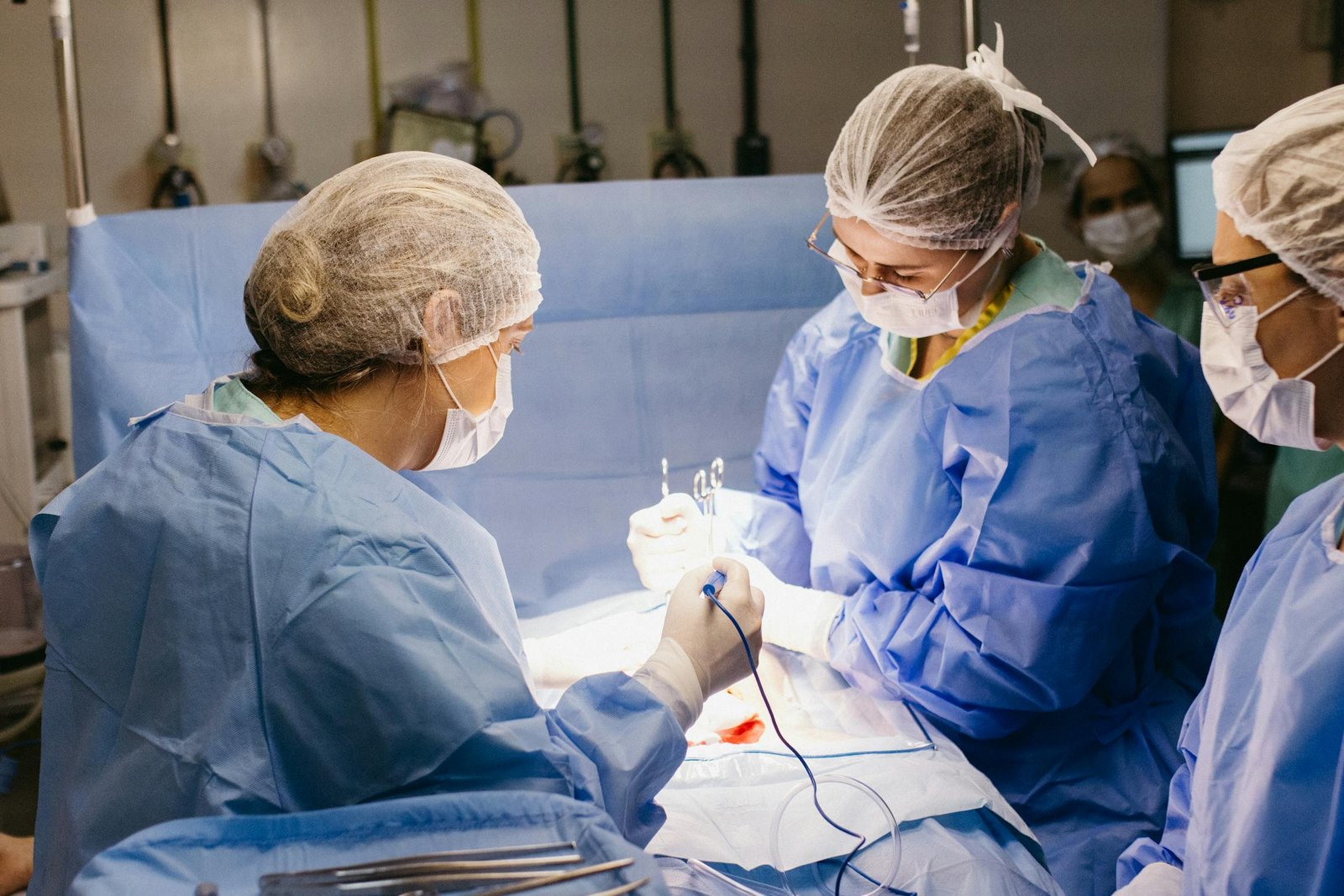
Oncologists utilize various therapeutic modalities to target and destroy malignant cells. Surgery physically removes tumors from the body, and radiation therapy uses high doses of targeted energy to kill cancer cells. Chemotherapy employs systemic drugs to disrupt cell division throughout the entire body. Immunotherapy stimulates the patient’s immune system, and targeted therapy interferes with specific molecules driving tumor growth.
Treatment plans depend on the specific diagnosis and the progression of the disease. A patient may receive a single type of therapy or a combination approach. The duration of these clinical interventions varies among individuals. Physicians closely monitor the physiological response, and they adjust dosages to minimize severe toxicity.
What Are the Long-term Effects?
Patients may report persistent physical and cognitive changes months or years after completing their medical therapies. Fatigue is a common symptom that may not resolve with standard rest. Cognitive impairments affect short-term memory and daily concentration. Some individuals develop cardiovascular issues over time, and others experience permanent changes to their endocrine systems.
How Can You Find Relief?
Managing these chronic symptoms requires a systematic and clinical approach to ongoing patient care. Medical professionals may prescribe specific medications to address pain. Patients benefit from structured rehabilitation protocols that directly target specific physical deficits. Relief also comes through consistent clinical monitoring and evidence-based interventions, as healthcare teams may schedule routine blood tests to monitor organ function.
Seek Professional Care Today
The biological impact of cancer therapies may extend beyond the final scheduled appointment. Monitoring your body for late-onset symptoms helps you maintain your baseline health, and clinical intervention can address issues before they escalate. A dedicated medical team will provide the resources needed for your ongoing rehabilitation. Contact your oncology provider today to schedule a comprehensive survivorship evaluation and establish a clear plan for your long-term recovery.