


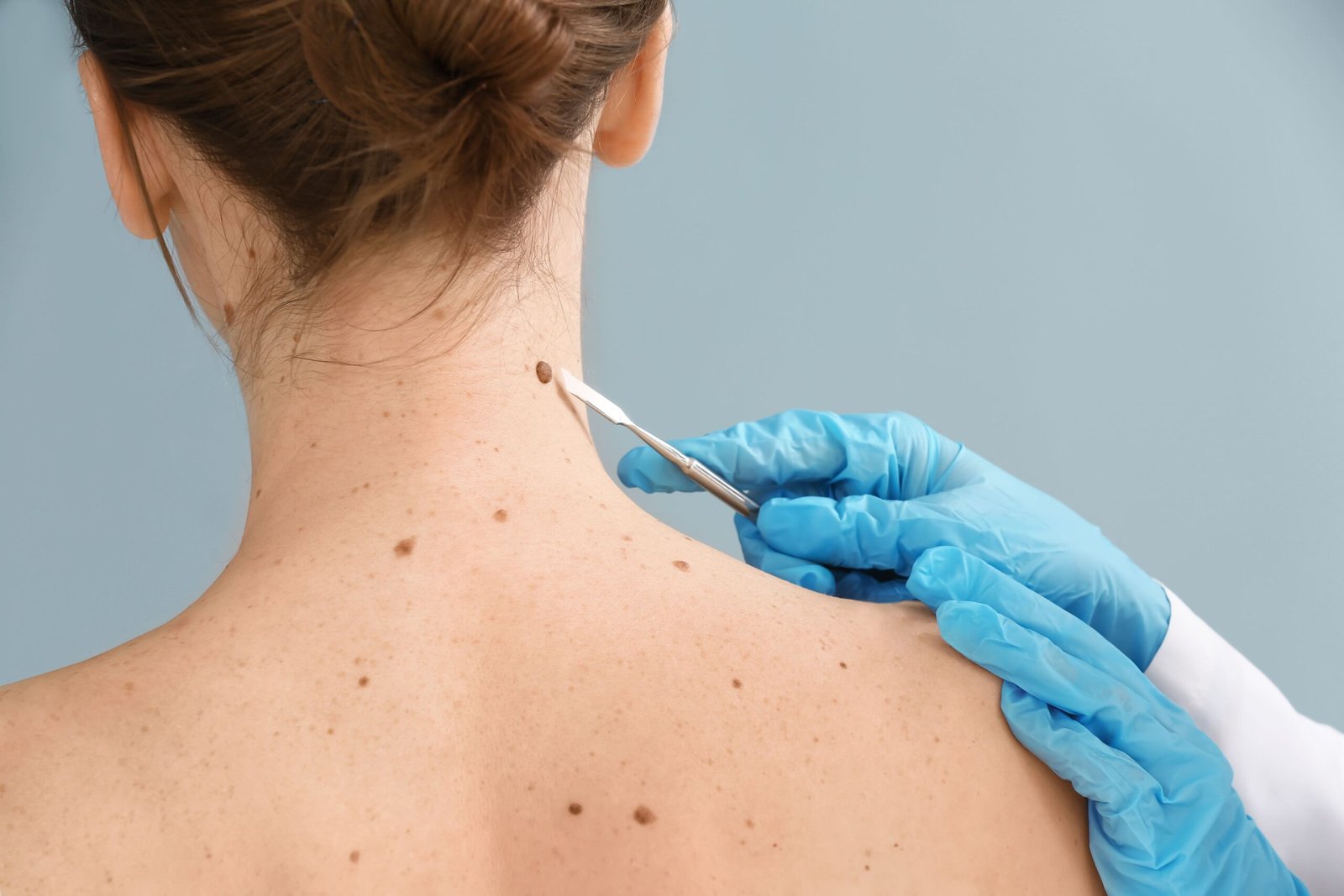
Skin cancer is the most prominent form of cancer. It develops when skin cells grow abnormally, which is an effect often linked to ultraviolet radiation from the sun or indoor tanning. Understanding this condition allows individuals to recognize skin changes, guiding them to seek timely medical evaluation.
What Is Skin Cancer?
Skin cancer is a disease originating in the epidermis, which is the skin’s top layer. The epidermis contains three cell types: basal cells, squamous cells, and melanocytes. When DNA within these cells sustains damage, mutations can occur. These genetic changes lead to rapid, uncontrolled cell multiplication. While anyone may develop skin cancer, certain factors increase risk, such as extensive sun exposure, use of tanning beds, fair skin, and a family history of the disease. The condition can manifest as new growths, changes to existing moles, or sores that do not heal. Regular self-examination of the skin is a proactive measure for early detection.
What Are the Types?
Skin cancers are classified based on the cell of origin. Basal cell carcinoma starts in the basal cells, which are responsible for producing new skin cells. As the most common type of skin cancer, BCC frequently appears on sun-exposed skin, like the face and neck. It often presents as a small, pink or pearly bump. This form of cancer is slow-growing and rarely spreads to other parts of the body. Left untreated, it can destroy healthy tissue and cause disfigurement.
Squamous Cell Carcinoma (SCC)
Squamous cell carcinoma originates in the squamous cells. It typically presents as a firm red nodule or appears as a flat lesion with a scaly, crusted surface. While less common than BCC, SCC can be more aggressive. It has the potential to spread to deeper skin layers or other areas of the body.
Melanoma
Melanoma is the most dangerous form of skin cancer. It develops from melanocytes, the cells that produce pigment. Melanoma often begins as a new dark spot or as a change within an existing mole. Although less prevalent than BCC and SCC, it can spread rapidly to other organs if not treated in its early stages. Regular skin screenings are the best tools to detect melanoma before it metastasizes.
How Is It Treated?
The treatment for skin cancer depends on the type, size, depth, and location of the tumor. A dermatologist will recommend a specific course of action, following a thorough diagnosis. Surgical excision is a standard treatment where a physician removes the cancerous tissue and a margin of surrounding healthy skin. This procedure helps confirm that all malignant cells have been removed.
Mohs surgery is a specialized technique used for recurrent or difficult-to-treat cancers, especially those on the face. The surgeon removes the tumor and examines the tissue layer by layer under a microscope until no cancer cells remain. This method aims to preserve the maximum amount of healthy tissue possible.
Other treatments include curettage and electrodesiccation, where the tumor is scraped off, and the base is treated with an electric needle. Cryotherapy uses liquid nitrogen to freeze the cancerous tissue. For superficial cancers, photodynamic therapy may be recommended.
Meet With a Dermatologist
Professional guidance and regular medical evaluations are fundamental to maintaining skin health. Individuals should schedule routine skin examinations with a dermatologist. These specialists use tools like dermatoscopes to examine the skin at a microscopic level, which allows for the identification of subtle changes that may not be visible to the naked eye. If you observe a new spot, a non-healing wound, or a mole that changes in shape, color, or size, schedule an appointment.

Leave a Reply