


Hip pain can make simple tasks difficult, and knowing how to manage it effectively helps improve your quality of life. Whether you’re navigating your morning routine or staying active during the day, there are practical strategies that ease discomfort and protect your joints. Here is more information on the causes of hip pain, how it affects daily life, and the most effective ways to cope:
What Is Hip Pain?
Hip pain refers to discomfort in or around the hip joint. It ranges from mild achiness to sharp, debilitating pain. The hip is a ball-and-socket joint that supports a significant portion of the body’s weight, and it plays a central role in movement. Because of its constant use, the joint is susceptible to wear and injury over time.
What Causes It?
This type of pain has a wide range of causes, and identifying the source is key to effective management. Common culprits include osteoarthritis, bursitis, tendinitis, labral tears, and hip fractures, with each affecting the joint in a different way. Muscle strain and overuse are additional contributors, particularly in physically active individuals.
Age-related degeneration is among the most prevalent causes, as cartilage gradually breaks down and the joint loses its cushioning. Inflammatory conditions like rheumatoid arthritis can accelerate this process. Lifestyle factors such as excess body weight place added stress on the hip over time.
How Are Everyday Activities Affected?
Hip pain commonly interferes with walking, climbing stairs, sitting for extended periods, and bending down. The discomfort can limit your range of motion, and even low-impact tasks like putting on shoes have the potential to become difficult. Sleep is sometimes disrupted, particularly when lying on the affected side. Recognizing pain patterns early helps prevent secondary complications.
How Can You Cope?
A few targeted adjustments to your daily routine can help manage pain without compromising your quality of life. Low-impact activities like swimming, cycling, and walking on even surfaces allow you to stay mobile while reducing stress on the joints. Applying ice or heat to the affected area may also provide temporary relief, though this depends on the nature of your symptoms.
Strengthening the muscles that surround and support the hip is another effective approach, and targeted stretching may improve flexibility. Ergonomic modifications at home and at work, such as using a supportive chair or adjusting your workstation height, minimize strain throughout the day. Maintaining a healthy weight reduces the mechanical load on the hip joint, thereby reducing pain.
How Is Professional Guidance Beneficial?
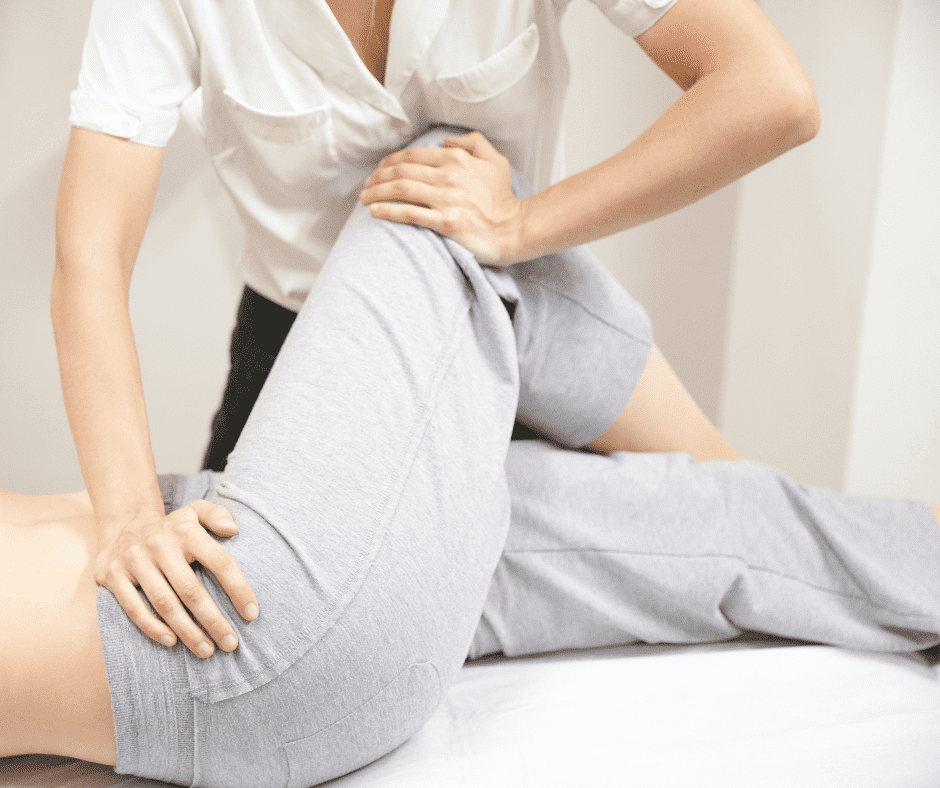
A healthcare professional will assess the underlying cause of your hip pain and develop a treatment plan that addresses your specific needs. Physical therapy focuses on strengthening the muscles around the hip and improving joint function through guided exercises. A physical therapist will tailor a program to your condition, and consistent participation can lead to long-term improvements.
Hyaluronic acid injections help lubricate the joint, and they may reduce pain and improve mobility in patients with osteoarthritis. Corticosteroid injections deliver anti-inflammatory medication directly to the affected area, providing relief that can last several weeks to months. Platelet-rich plasma (PRP) and stem cell injections use the body’s own regenerative properties to promote tissue repair.
Find Relief Today
Hip pain is a manageable condition, and with the right combination of self-care and professional support, patients may find relief. Understanding your symptoms, adjusting your daily habits, and exploring evidence-based treatments help you protect your joints and reduce discomfort. If hip pain is affecting your life, consult a healthcare professional to discuss which treatment options are right for you.