


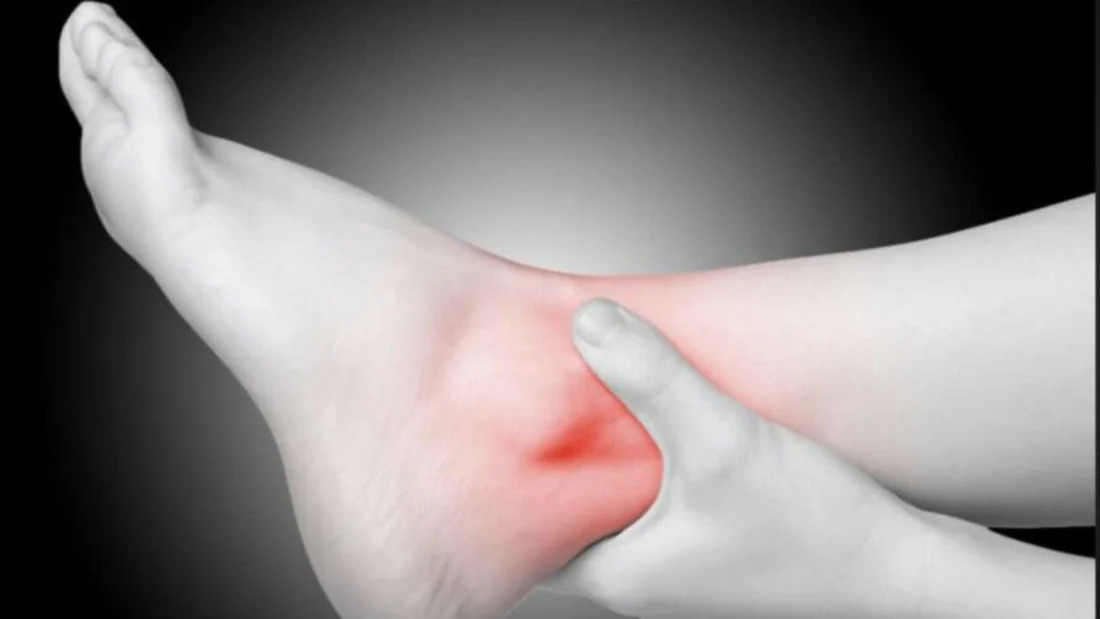
An ankle injury can significantly disrupt daily activities, limiting mobility and affecting overall physical performance. Whether caused by sports or accidents, prompt and effective management is necessary to support proper healing and prevent long-term complications. A combination of medical care and rehabilitation exercises, combined with lifestyle adjustments, can accelerate recovery and restore strength and stability.
Provide Immediate Ankle Care
The first few hours after an ankle injury are key to a smooth recovery. Taking quick action sometimes reduces swelling and protects the joint from further harm. You should rest the affected leg immediately, as walking on it can worsen the problem. Limiting the weight on your ankle is a simple step that can prevent a minor issue from becoming severe.
Applying ice is another effective way to manage early symptoms. Wrap a cold pack in a cloth, and place it gently over the swollen tissue for short periods. Since this constricts blood vessels, it will help reduce swelling. You can also elevate your foot above your heart, which encourages fluids to drain away from the injury.
Support Healing Through Movement
After the swelling subsides, you should start gentle movements to aid your recovery. Remaining still for too long can cause stiffness, so controlled motion is key to a smooth return to your daily activities. To improve flexibility and blood flow without straining the injury, you should slowly rotate your foot in small circles.
Working with a professional therapist provides structured guidance for safely rebuilding strength. A physical therapist can create a custom routine for an ankle ligament or Achilles tendon injury, and these targeted movements will condition the surrounding muscles to support the joint. While you recover, sticking to a consistent exercise plan is necessary for regaining full mobility.
Fuel Tissue Repair Properly
Your body needs specific nutrients to rebuild damaged tissues. A balanced diet provides the building blocks for repair, and protein is fundamental for muscle regeneration. Include lean meats or plant-based proteins in your meals. Vitamins and minerals also play a huge role in your recovery, so make sure your diet is rich in these nutrients. Proper nutrition supports the entire healing process and helps restore strength.
Staying hydrated is also key to healing your injured ankle. Water transports nutrients to the injury site, and it helps flush out waste. Drink plenty of water throughout the day to keep your joints lubricated. While you recover, proper hydration keeps tissues pliable, making your rehabilitation exercises more effective.
Manage Pain and Protect Injury
Managing your discomfort helps you rest and focus on rehabilitation. You can use over-the-counter pain relievers as directed by a healthcare provider, but never exceed the recommended dosages. A supportive brace or wrap can also provide your ankle with extra stability, keeping it protected throughout the day.
Protecting your joints from sudden impacts is key to preventing setbacks. You should use crutches or a walking boot to offload weight from your foot. Also, make sure your footwear provides adequate arch support and cushioning for daily activities. Wearing proper shoes keeps your feet aligned and reduces unnecessary stress, allowing healing ligaments to recover.
Schedule Your Ankle Injury Consultation
Taking immediate action, supporting your body with recommended nutrition, and gradually reintroducing movement all contribute to a smoother recovery from an ankle injury. You can regain your strength over time, and these steps will help you protect your mobility, but can’t replace professional help. If you are struggling to overcome foot or ankle pain, seek expert guidance. Book an ankle injury consultation with a podiatrist near you for tailored, comprehensive care after a thorough evaluation of your specific condition. Reach out today!

Leave a Reply