


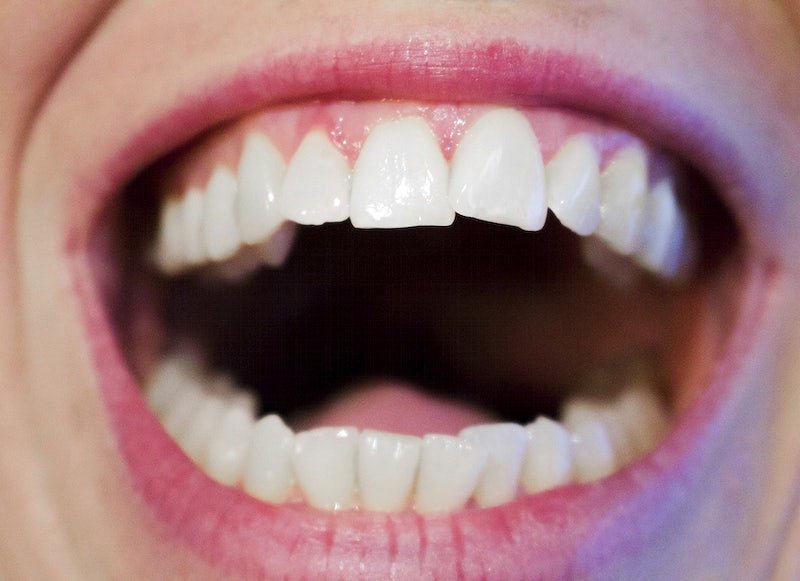
Teeth whitening helps remove stains and brightens the natural shade of your teeth. Many people choose it to improve their smile. Whitening treatments break down stains on the surface of your enamel. The process works best on natural teeth, not crowns or fillings.
This method does not change the structure of your teeth. It simply lifts discoloration from common causes like drinks, food, or age. The results depend on your habits and the treatment you use.
Why Teeth Lose Their Brightness
Every day habits can lead to stained or discolored teeth. Drinks like coffee, tea, and red wine leave behind strong pigments. These pigments cling to your enamel and darken your smile over time. Smoking can also cause yellow or brown stains that are hard to remove.
Aging naturally affects tooth color. As enamel wears down, the yellowish layer underneath shows through more clearly. Some medications and poor oral care can also cause teeth to lose their natural brightness.
Ways to Whiten Your Teeth
Dentists offer fast, in-office teeth whitening that delivers noticeable results in just one visit. These treatments use high-strength gels and expert care. At-home kits from your dentist take longer but offer more flexibility. These kits include trays shaped to your teeth and safe whitening gels.
You can also find over-the-counter products like strips, pastes, and rinses. These are easy to use but take more time to show results. Results vary, and some people may need touch-ups or repeat use. Always follow instructions carefully to protect your gums and enamel.
How to Whiten Safely
Whitening is generally safe when you take the correct steps and avoid risks that may harm your teeth or gums. Do not use whitening products if you have untreated cavities, gum disease, or other oral health issues. Children under 16 and pregnant women should avoid these treatments to prevent unnecessary sensitivity or complications. If you experience discomfort or pain, stop immediately and speak with your dentist for further guidance.
Always consult a dental professional before beginning any whitening treatment to reduce the chance of unwanted effects. Your dentist can examine your mouth, check for hidden problems, and recommend the safest whitening method for your needs. Avoid using whitening products on your own without proper instruction, as this can lead to gum irritation or uneven results. Follow directions carefully and stick to the recommended treatment time for the best outcome.
Keep Your Teeth Whitening Results Bright
After whitening, protect your results by practicing consistent and smart oral habits every single day without fail. Limit drinks like coffee, tea, and red wine, since they can stain your teeth again over time. If you do drink them, rinse your mouth with water immediately afterward to help minimize staining. Brush and floss daily to prevent buildup and maintain a clean, bright smile.
Avoid smoking, as it causes deep stains and harms both your teeth and gums over time. Visit your dentist twice each year for professional cleanings and to track your whitening progress. Ask about touch-up treatments if you notice your teeth beginning to fade in color. Use a straw when drinking dark liquids and choose whitening toothpaste to help extend your results.
- Questions to Ask Before Joining a Clinical Study
- A Clear Guide to Choosing and Preparing for a Cancer Clinical Trial
- Choosing Adult Autism Residential Support: A Practical Guide to Daily Life, Safety, and Independence
- Clinical Trial Phases: What Each Stage Means for Participants and Patients
- Clinical Trials: Important Facts Before Patient Participation