


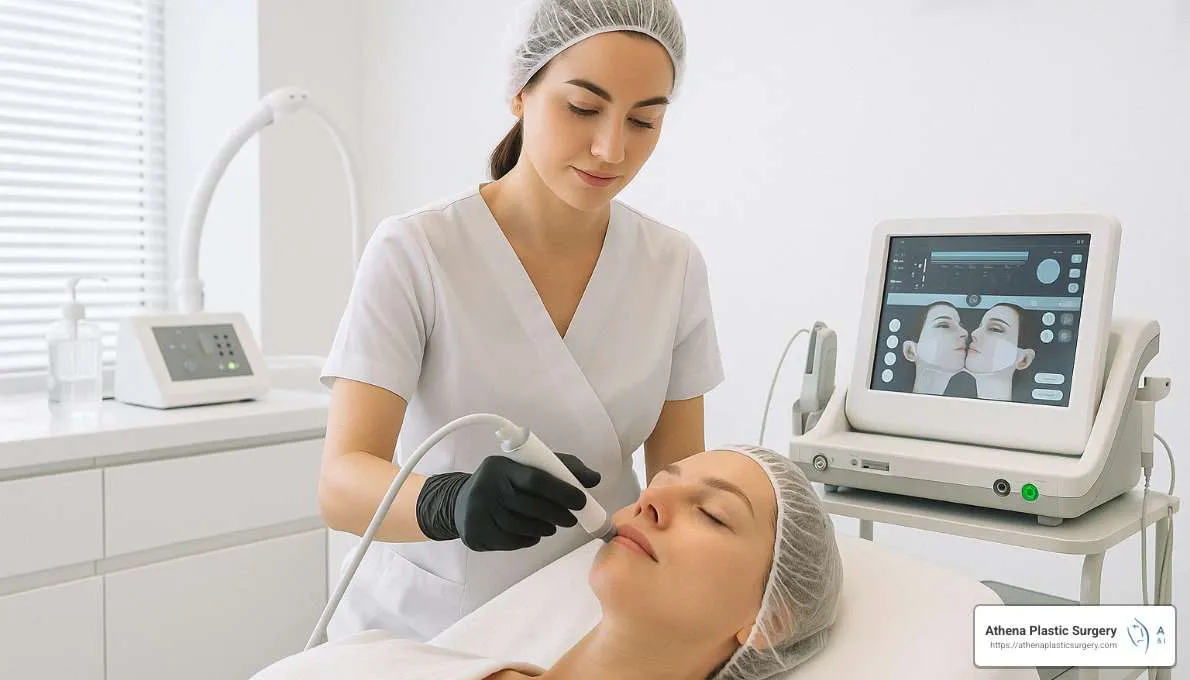
Technology plays a significant role in the modern plastic surgery process. It facilitates communication, imaging, and other methods. Because of digital technologies, you can schedule virtual consultations, which saves you multiple trips to the surgeon’s office. Plastic surgeons also rely on machines that use various technologies to support accurate procedures. Here are a few roles of technology in improving surgery outcomes:
Enhanced Imaging and Precision
Cosmetic surgeries, such as facelifts, breast augmentation, and liposuction, require precision. Incisions or implants must be made or placed in specific locations, which requires precise imaging. Surgeons leverage imaging technologies, such as ultrasounds, to guide their operations. Simulation technologies provide accurate visualizations of the outcomes before surgery begins, giving them an idea of the approach. They also support comprehensive planning, allowing surgeons to predict potential complexities.
By providing a glimpse into the outcomes of plastic surgery, you can compare different procedures and make a more informed decision. Modern surgeons use three-dimensional imaging, robotics, and AI to improve the outcomes of surgical operations. They can personalize and analyze patient data to tailor techniques for minimally invasive surgeries. Technologies like three-dimensional printing also facilitate the production of customized implants with more intricate details.
Improved Consultations and Communications
Digital technologies have made it easier to access board-certified surgeons from the comfort and privacy of your home. Instead of scheduling in-person visits, you can contact surgeons remotely at convenient times. Such arrangements are ideal for initial consultations and post-operative aftercare. Virtual platforms enable you to discuss your goals and update the surgeon on your progress and recovery. They also feature educational resources that help you learn more about the procedure, preparations, and aftercare.
Open communication gives you access to round-the-clock support from experienced surgeons and medical teams. Whether you have an emergency or need a different medication to relieve post-operative pain and inflammation, you can make inquiries remotely. The channels also allow information collection, allowing surgeons to track your needs throughout treatment and recovery.
Less Invasive Surgical Procedures
Advancements in laser and ultrasound technology support minimally invasive procedures that cause less trauma to surrounding tissues. Surgeons use ultrasound-assisted liposuction, a technology that breaks down fat cells, resulting in more precise fat removal. Imaging technologies also provide clear visuals of the targeted areas for accuracy and improved sculpting.
Minimally invasive technologies reduce hospital stays by requiring smaller incisions. They also lower complication risks by using the most suitable pathways to access the targeted area. Surgeons may combine liposuction with tummy tuck procedures, eliminating the need for additional incisions and recovery times. Advancements in surgical tools also lead to more accurate and effective equipment, which creates smaller incisions and reduces scarring.
Improved Client Experience
Technological advancements, such as AI support for surgeons, help improve the client experience. AI tools help analyze your data and customize treatment plans to enhance safety. They also predict risks and offer insights into safe and effective approaches. The tools are trained using standardized data from past procedures and statistics, as well as real-time data. Telemedicine enables the remote monitoring of your recovery, providing real-time access to professional insights and recommendations.
Some surgeons have user-friendly websites where you can find information about different procedures or view before-and-after photos of previous clients. Less invasive procedures reduce post-operative pain and lead to faster recovery. Digital interactions also encourage accountability because they can be tracked and audited. The overall experience is optimized to support smooth consultation, client education, safe operation, and timely interventions.
Start Planning Your Plastic Surgery Today
Technological advancements have made surgery safer, but they still require the expertise and skills of a board-certified surgeon. When planning cosmetic surgery, prioritize working with experienced surgeons who have a proven track record of performing similar operations. Request before-and-after photos and schedule comprehensive consultations to find the right surgeon. Contact a surgeon today to start planning your plastic surgery.
- Braces for Adults and What You Need to Know
- Benefits of Invisible Braces for Teens and Adults
- Understanding the Link Between Behavioral Studies and Mental Health Support Services
- Key Characteristics That Support Long-Term Success in Nursing
- How Continued Nursing Education Supports Safer and More Effective Healthcare


Leave a Reply