


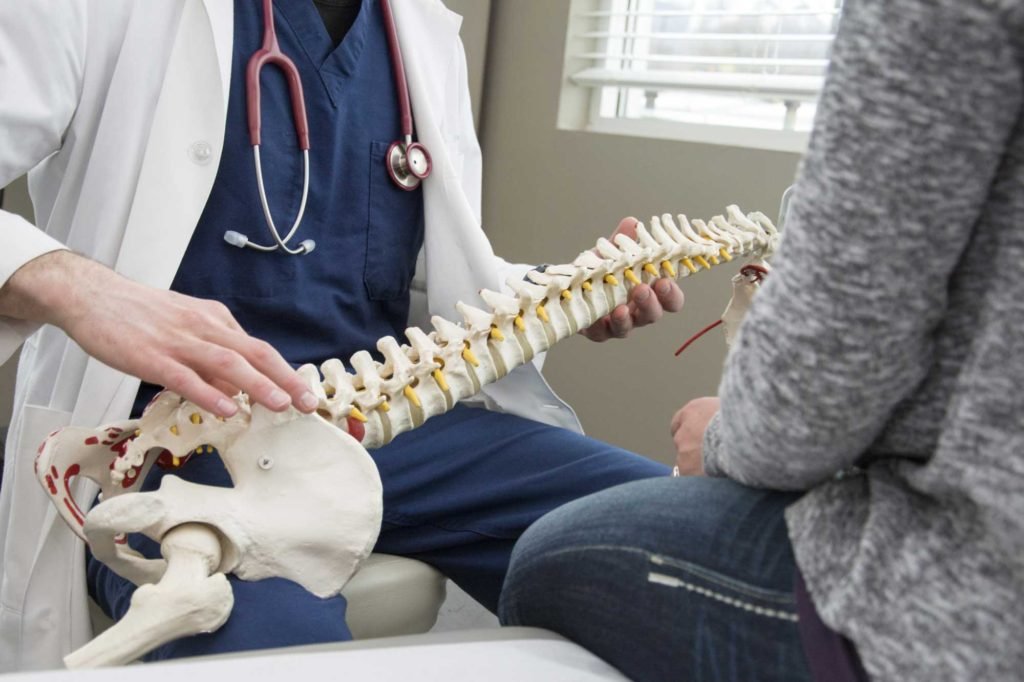
A spine neurosurgeon plays a key role in diagnosing and treating complex spinal conditions that can affect athletes and physically active individuals. Sports-related injuries involving the spine, such as herniated discs, nerve compression, or traumatic spinal damage, require specialized expertise to conduct accurate diagnosis and effective treatment. Combining advanced surgical techniques with a deep understanding of spinal health enables a spine neurosurgeon to help patients recover from injuries, manage pain, and safely return to physical activity.
Diagnose Sports-Related Spinal Injuries
An accurate diagnosis is the foundation of a successful treatment plan. A spine neurosurgeon will conduct a thorough physical examination to pinpoint the source of your back pain and ask necessary questions. This conversation helps the doctor understand the mechanics of your trauma while using advanced imaging technologies to evaluate spinal damage.
Doctors use MRI and CT scans to look at your vertebrae, discs, and nerves. These images can reveal hidden problems, such as tiny compression fractures. Your surgeon evaluates symptoms like radiating pain and muscle weakness. This precise process allows them to design a targeted treatment plan, as identifying the exact compressed nerve dictates the next phase of care.
Provide Advanced Treatment Options
After your diagnosis, your medical team explores the best ways to heal your injury. Many athletes start with conservative treatments, including physical therapy and pain management. If this care doesn’t provide relief, a spine surgeon may evaluate you and suggest surgery as a logical choice. Minimally invasive spine surgery offers great benefits for athletes. A specialist uses small incisions to access the damaged area, reducing blood loss and minimizing muscle disruption.
Some athletes may need specific procedures such as artificial disc replacement. A neurosurgical specialist removes damaged disc material to relieve pressure on pinched nerves. These techniques preserve spinal movement and help you stay flexible. Doctors also use neuromodulation surgery to manage chronic pain, a technology that intercepts pain signals before they reach the brain.
Support Safe Recovery and Rehabilitation
Surgery is just one step on the path to athletic recovery. After your procedure, your spinal surgeon will monitor your progres and give you instructions for incision care. They will also outline movement restrictions to protect your spine. Following these guidelines is key to initial healing. Rehabilitation exercises build strength to support your back or neck. Physical therapists will create a custom workout plan for you.
Rushing your recovery can lead to setbacks or new injuries. Lisen to your body and openly communicate with your medical team. Following the plan helps your body heal before returning to sports. Patience in this phase leads to better long-term results, and regular check-ups allow your doctor to track your healing.
Assist Athletes’ Safe Sport Return
Your ultimate goal is getting back to your sport. A spine neurosurgeon will determine when your body is ready. They perform follow-up evaluations to confirm your spine has stabilized. Once they grant clearance, the real work of returning to play begins. This transition requires a cautious, phased approach. Your specialist will likely recommend starting with low-impact drills before progressing to full-contact activities.
Practicing good habits keeps your spine healthy in the long term. Regular check-ins with your neurological spine surgeon help you catch minor issues before they become major problems. Consistent strength and flexibility exercises are fundamental to preventing future sports-related injuries. Building a strong core acts as a natural brace for your spine.
Schedule Your Spine Neurosurgeon Consultation
Sports-related spinal injuries require immediate attention and expert medical care. A spine neurosurgeon possesses the specialized knowledge needed to diagnose complex conditions and deliver advanced treatments. From the initial evaluation to the final stages of rehabilitation, they guide athletes safely back to their active lifestyles. If you are feeling persistent chronic back or neck pain, do not ignore it. Consult a board-certified neurosurgeon near you for a thorough evaluation and a personalized treatment plan to relieve your pain and restore your mobility.

Leave a Reply