


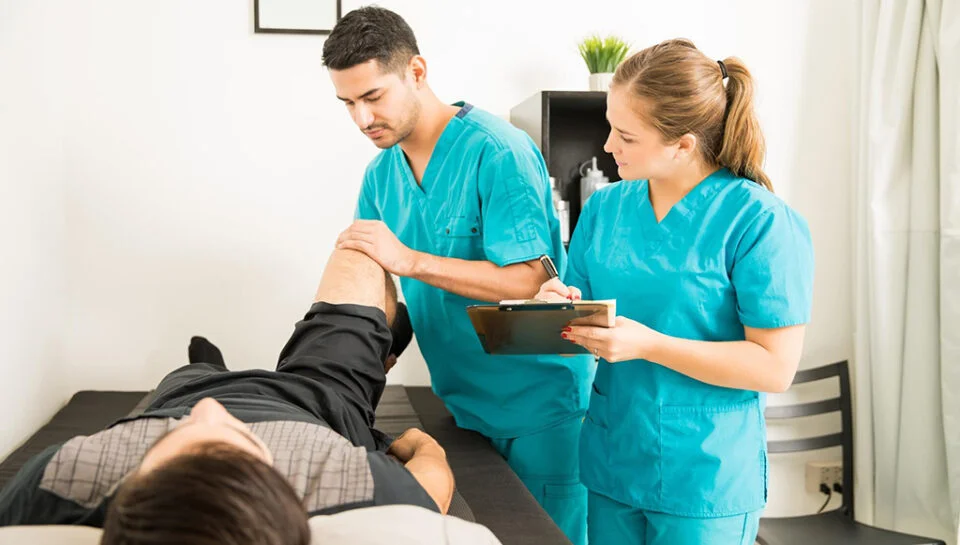
The anterior cruciate ligament, located within the knee joint, serves as a primary stabilizing structure during movement. ACL tears frequently occur during physical activities that require sudden stops, changes in direction, or jumping. Recovery from such an injury requires a structured approach to restore function and stability to the knee. Rehabilitation stands as a foundational element of this recovery journey, guiding individuals through progressive stages of healing.
What Is an ACL Tear?
The knee joint connects the femur to the tibia, with the kneecap resting in front to provide protection. Four primary ligaments hold these bones together and provide stability. The anterior cruciate ligament sits in the center of the knee, controlling the forward movement and rotation of the tibia.
An ACL tear happens when the tissue stretches beyond its normal limits. This damage can range from a mild sprain with microscopic tears to a complete rupture where the ligament splits into two separate pieces. Individuals often report hearing a distinct popping sound at the moment of injury, followed immediately by severe swelling and an inability to bear weight on the affected leg. The knee may feel unstable, as if it will give way under normal pressure. Diagnosis typically involves a physical examination by a medical professional, followed by imaging tests such as an MRI.
How Is It Treated?
The chosen treatment pathway depends largely on the severity of the injury, the individual’s activity level, and the presence of any other damage within the knee joint. Nonsurgical treatment involves physical therapy and the use of supportive devices like braces. A structured physical therapy program focuses on strengthening the muscles around the knee, compensating for the compromised ligament.
For active individuals or those experiencing chronic instability, orthopedic surgeons frequently recommend surgical reconstruction. This procedure involves replacing the torn ligament with a tissue graft, which allows for new ligament tissue to grow. The surgical process typically utilizes arthroscopic techniques. Following any treatment choice, an extensive recovery period follows.
What Does Rehabilitation Entail?
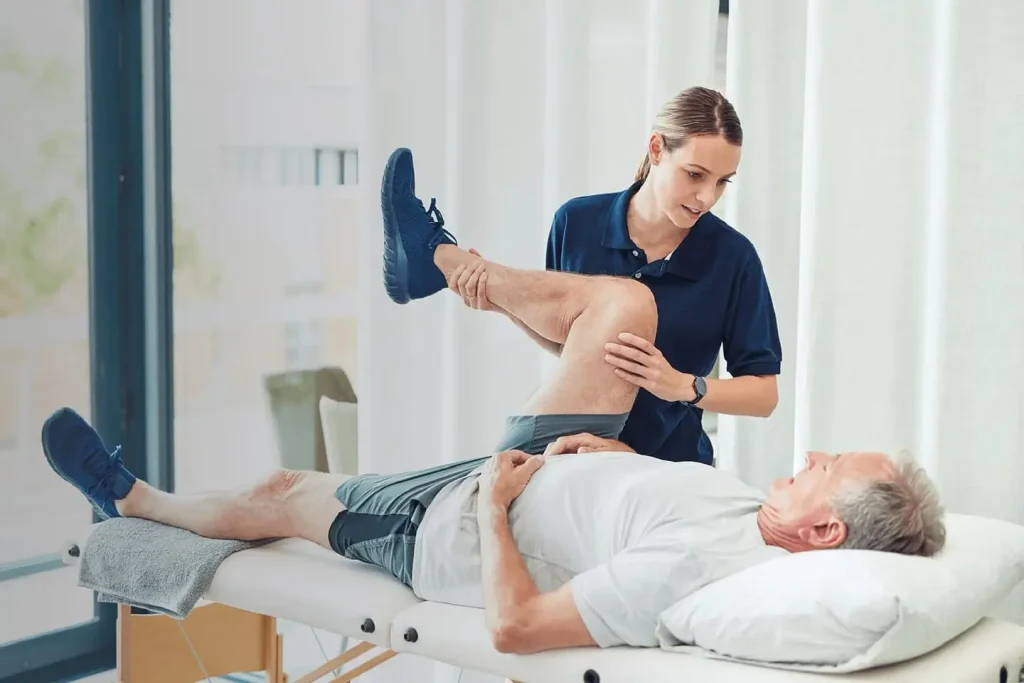
Rehabilitation serves as a healing mechanism through which the knee regains its strength, flexibility, and stability. The process typically unfolds across several distinct phases, each with specific goals and milestones. In the immediate aftermath of an injury or surgery, the primary objectives revolve around reducing swelling, managing pain, and protecting the healing tissue. Weight-bearing activities are slowly introduced based on the surgeon’s protocols. The final phases of rehabilitation center on functional movements and sport-specific activities. The objective is to prepare the knee for the forces encountered during daily activities or athletic competition. Therapists monitor progress carefully to verify that the knee exhibits the necessary strength and mechanics before clearing an individual for full participation in strenuous activities.
Consult Your Orthopedic Specialist
Advancements in medical technology now allow for specialized analysis and testing, evaluating one’s health during the final stages of recovery. Such data allows medical professionals to fine-tune final rehabilitation protocols to the individual’s exact mechanical needs. Discussing these advanced assessment options with your healthcare team can provide clarity in your recovery trajectory. Every injury presents unique challenges, and a tailored approach yields the most favorable outcomes. Always consult your orthopedic specialist for personalized guidance, accurate diagnosis, and a comprehensive treatment plan tailored to your specific physical condition and lifestyle goals.
- The Impact of Pain Clinics on Patient Recovery and Quality of Life
- Understanding the Differences Between Cosmetic and Reconstructive Plastic Surgery
- Understanding the Role of a Physical Therapist in Injury Rehabilitation
- The Role of Rehabilitation in ACL Tear Recovery
- Understanding the Role of a Dermatologist in Skin Health


Leave a Reply