


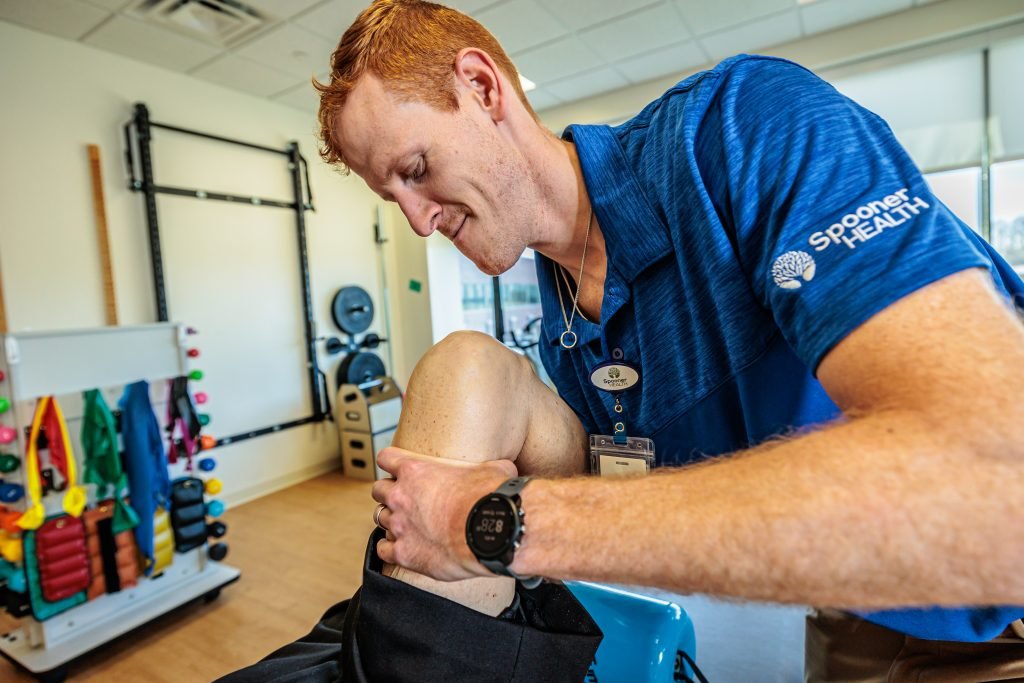
Orthopedics plays a key role in guiding patients through recovery following musculoskeletal injuries. Focused on the diagnosis and treatment, as well as the rehabilitation, of bones, joints, and soft tissues, orthopedics provides a structured approach to restoring function and mobility after injury. Through a combination of surgical expertise, non-invasive therapies, and personalized rehabilitation plans, orthopedic care supports effective healing and reduces the risk of long-term complications.
Accurate Diagnosis and Treatment Planning
An effective recovery starts with a clear understanding of your injury. Through orthopedics, specialists will conduct thorough evaluations to identify the source of the problem. They use advanced imaging and physical exams to gather key information. This data helps them build a targeted recovery strategy and create a custom plan to manage your rehabilitation. Providers will look at your lifestyle, activity levels, and personal goals.
A well-structured plan reduces uncertainty during your rehabilitation. Patients who understand their treatment roadmap have the practical knowledge to take an active role in their healing. The orthopedic specialty focuses on teaching individuals about their own bodies. Your provider will adjust the timeline based on your physical progress.
Coordinated Care for Comprehensive Recovery
Healing from an injury requires input from trained professionals. Your orthopedic treatment often involves collaboration among physicians, physical therapists, and pain management experts. These clinical teams share vital information that keeps your physical recovery on track. The specialists coordinate their efforts and monitor your response while optimizing your care.
Communication among providers is a fundamental part of this model. A physical therapist might notice a limitation in your movement. They can relay this finding to your physician. The doctor then adjusts the medical protocol accordingly. You also play a central role in this collaborative effort because your feedback about pain or mobility provides helpful data, and providers rely on your observations. Your active participation helps the coordinated care framework function properly.
Surgical and Non-Surgical Interventions
Orthopedic services offer a wide range of therapeutic options. Many injuries respond well to conservative management, and invasive procedures are not always needed. Your provider may suggest physical therapy or bracing first. These non-surgical methods can reduce discomfort and promote natural healing, but some situations require direct mechanical repair. In these cases, surgeons perform procedures to stabilize joints or mend bones.
Your provider will help you choose the effective path for your injury. They will clearly discuss the potential outcomes of each intervention. They also guide you through the physical preparation for either route. Making an informed choice is a key part of your musculoskeletal care. This decision provides the stability needed to begin movement therapies safely.
Rehabilitation and Functional Restoration
The core of post-injury recovery is active rehabilitation. This phase rebuilds strength, flexibility, and endurance. You will perform targeted exercises to safely challenge your body, and your physical therapist will use specific movements to retrain injured muscles and joints. They will introduce progressive resistance to increase your capabilities.
Functional restoration goes beyond simple strength training. It addresses your real-world activities. Therapists help you practice movements that mimic your daily routine. This practical application prepares you for a safe return to normal life. The goal of this comprehensive stage is to restore your body confidence, making sure you can handle your daily tasks safely and effectively.
Book Your Orthopedics Consultation Today
Recovering from a musculoskeletal injury demands patience, dedication, and professional medical guidance. The role of orthopedics remains fundamental throughout every single stage of the treatment process. Seeking appropriate medical attention early can make a significant difference in your long-term physical mobility. Book a consultation with a qualified orthopedic specialist near you today for a comprehensive evaluation to help you understand your personalized recovery options.

Leave a Reply