


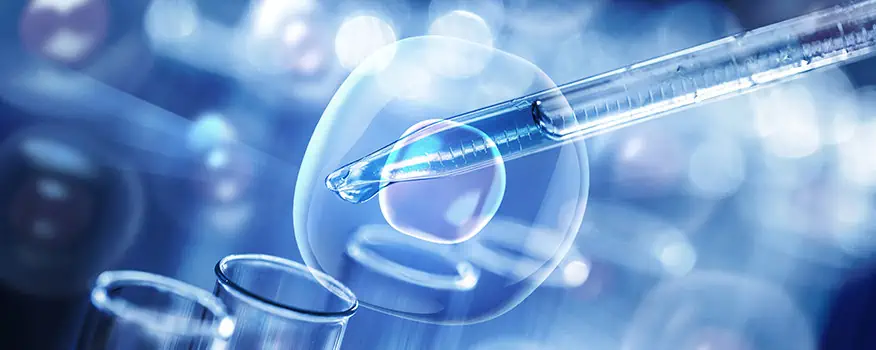
Regenerative medicine targets musculoskeletal injuries. These therapies use biological materials, and doctors inject them into damaged joints. When standard care does not relieve symptoms, physicians administer these therapies to help patients avoid invasive joint surgeries. Joint degradation can cause chronic pain. Standard treatments typically mask symptoms, but regenerative therapies address the underlying tissue damage. Because cartilage heals slowly on its own, medical professionals isolate growth factors from blood and deliver them to the injury site.
Analyzing Regenerative Medicine
Blood contains natural healing properties. Medical staff draws a small volume of blood, and a centrifuge separates its components. After the machine isolates the platelets, practitioners extract the concentrated plasma and prepare it for immediate use. Platelets release localized growth factors. These proteins signal the body to repair tissue and attract repair cells to the affected area. Tendons have a limited blood supply, so natural recovery is slow. The concentrated injection accelerates tissue repair and supports biological recovery.
Biological tissue grafts provide another option. Laboratories process donated tissue matrices, and clinics acquire these safe materials. When patients require structural support, physicians use these cellular products, thereby delivering a high concentration of healing agents to the damaged joint. The injections reduce local inflammation. The substance coats the damaged cartilage, and the joint regains functional movement. Because processing removes specific antigens, the recipient’s immune system accepts the material, and the risk of rejection is minimal. This whole process is known as regenerative medicine and can be beneficial for many people.
Identifying Therapy Applications
Doctors treat common foot conditions with regenerative therapies. Plantar fasciitis causes heel pain, and injections help repair the torn ligament. If conservative stretching does not resolve the issue, physicians inject the fascia, and patients report gradual improvement in tissue. Tendon injuries also respond to biological therapy. The heel tendon bears weight, and repetitive stress can create micro-tears. While rest may temporarily relieve tendon pain, the underlying weakness remains, so practitioners apply biological treatments to strengthen the tissue.
Ankle arthritis can limit daily movement. Cartilage deterioration allows bone to rub against bone in the joint capsule. Before osteoarthritis advances, specialists administer regenerative fluids to create a more favorable environment for cartilage cells. Ligament sprains require stabilization. Severe sprains stretch ligaments permanently, and the ankle joint loses mechanical stability. Unless the ligaments tighten naturally, patients may experience recurrent injuries. Doctors use platelet injections to promote targeted scar tissue formation.
Examining Recovery Outcomes
Healing requires adequate recovery time. Patients often report mild soreness after injections, which typically fades within a few days. The injection triggers a controlled inflammatory response, causing localized swelling, while the body begins the first phase of tissue repair. Medical teams limit physical activity initially. Providers recommend walking boots and advise against high-impact exercises. Once the early healing phase concludes, physical therapists prescribe strengthening movements, and patients gradually resume regular activities.
Results appear over several weeks. Cellular repair occurs microscopically, and patients report improvements in joint function. As biological agents help rebuild the collagen matrix, stiffness decreases, and mobility improves. Treatment plans vary. Some injuries respond to a single injection, while severe joint damage may require multiple treatments. If the first injection provides partial improvement, doctors schedule follow-up visits and evaluate the need for additional biological therapy.
Talk to a Specialist
Regenerative medicine provides alternatives to surgical intervention for joint injuries. These therapies use natural healing mechanisms to support tissue repair. By the time conventional treatments are no longer effective, joint structures may show advanced degeneration. Early biological intervention can help limit further tissue loss. Medical research continues to advance. Scientists study cellular behaviors, and clinics refine injection protocols. As new applications emerge for tissue grafts, physicians focus on clinical outcomes, and clinics use evidence-based biological therapies to support joint function.

Leave a Reply