

Hair loss is a condition affecting many people, and it involves the gradual thinning or sudden shedding of hair from the scalp. While genetics and age play a part, hormonal fluctuations are a significant cause of hair changes. Understanding this connection can help you identify the reason for losing hair. Here is more information about the link between hormones and hair loss:
Androgens
Androgens are a group of hormones that include testosterone. An androgen called dihydrotestosterone, or DHT, is derived from testosterone and can contribute to hair loss. This hormone shrinks hair follicles, which shortens the hair growth cycle and causes hair to grow out thinner and more brittle. Eventually, the affected follicles stop producing hair altogether.
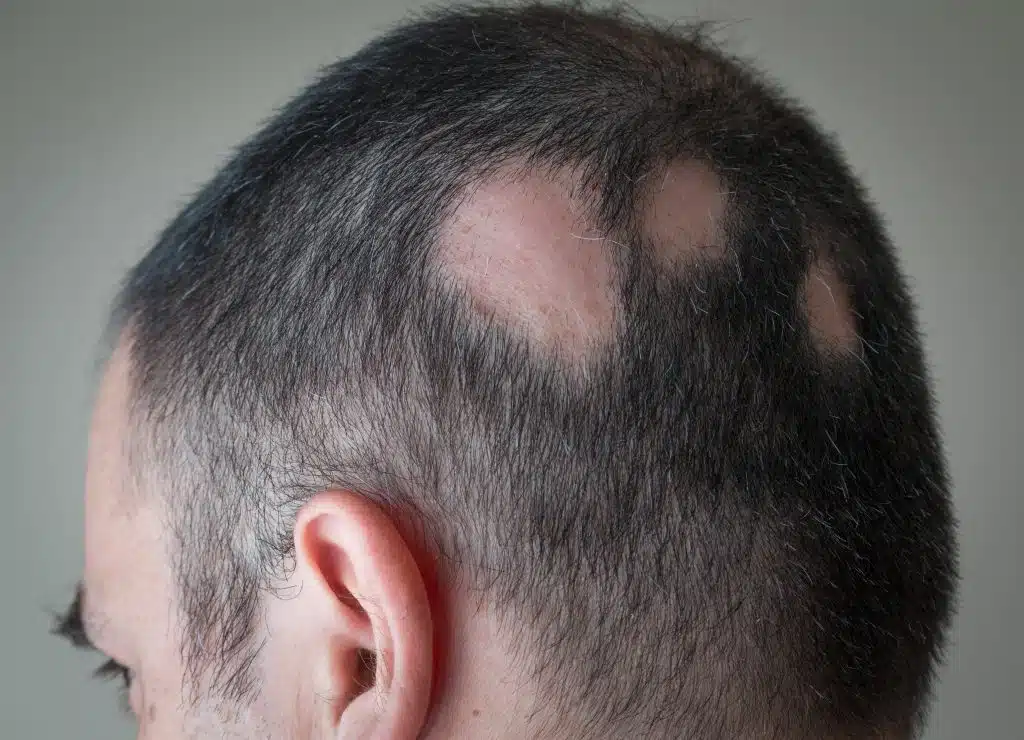
This process is a primary factor in androgenetic alopecia. Androgenetic alopecia is a major condition in both men and women. For men, it typically presents as a receding hairline and baldness on the crown. Women typically experience a general thinning of hair all over the scalp, while their hairline usually does not recede.
Estrogen
Estrogen levels in women may have a direct effect on hair growth; these hormones help keep hair in the growing phase for a longer period. This is why many women notice their hair feels fuller and healthier during pregnancy when estrogen levels are high. After childbirth or during menopause, estrogen levels decline significantly.
This sharp drop in estrogen can cause a large number of hairs to enter the telogen, or resting, phase at the same time. This leads to noticeable shedding several months after the hormonal shift occurs. The hair appears thinner, although the condition is typically temporary.
Once hormones stabilize, the hair growth cycle typically returns to its previous pattern. For women experiencing menopause, the hair thinning might be more permanent as estrogen levels remain low. Managing hormone levels during this life stage can sometimes help mitigate the extent of hair loss.
Cortisol
Cortisol is a hormone that the body produces in response to certain situations. While cortisol is useful for managing short-term problems, prolonged high levels can disrupt many bodily functions, including the hair growth cycle. Your body may elevate cortisol, which can push many hair follicles into the resting phase.
You might notice increased hair shedding several months after a triggering event because the hair growth cycle has been interrupted. This type of hair issue is usually temporary. Managing cortisol levels involves several practices, including:
- Regular physical activity
- Mindfulness and meditation
- Adequate sleep
Thyroid Hormones
The thyroid gland produces hormones that regulate the body’s metabolism; both an overactive thyroid and an underactive thyroid can cause hair loss. These conditions disrupt the normal hair growth cycle, while severe and prolonged thyroid imbalances typically lead to more hair thinning. With thyroid issues, hair loss is diffuse, meaning it affects the entire scalp rather than just specific areas. Proper diagnosis and treatment of the underlying thyroid disorder can typically reverse the loss of hair, and your hair will typically regrow over time.
Get Treated for Hair Loss
Identifying the hormonal cause of your hair loss is the first step toward finding a solution. Different hormonal imbalances require different approaches, so a correct diagnosis is key, and a healthcare provider can perform tests to check your hormone levels. Based on the results, they can recommend a course of action tailored to your specific needs. Schedule a consultation with a healthcare professional to explore your treatment options and start the process.